Umang Sisodia • • 5 min read • 1 view
Thin‑Film Light Reflections Mimic Molecular Signals in Perovskite Solar Research
Key Takeaways
- Thin‑film interference can generate optical signatures that resemble genuine molecular vibrations in perovskite solar materials.
- Misinterpreting these artifacts risks false claims about material stability and performance.
- Researchers are adopting advanced spectroscopic protocols and computational models to differentiate real chemistry from optical mirages.
- The revelation reshapes funding priorities and accelerates the push for standardized measurement practices.
The Phenomenon Explained
Perovskite solar cells have surged to the forefront of renewable‑energy research because of their high power‑conversion efficiencies and low‑cost fabrication. Yet, their rapid development has also exposed a subtle experimental pitfall: light reflecting within ultra‑thin perovskite films can masquerade as molecular signals in spectroscopic data.
Thin‑Film Interference in Perovskites
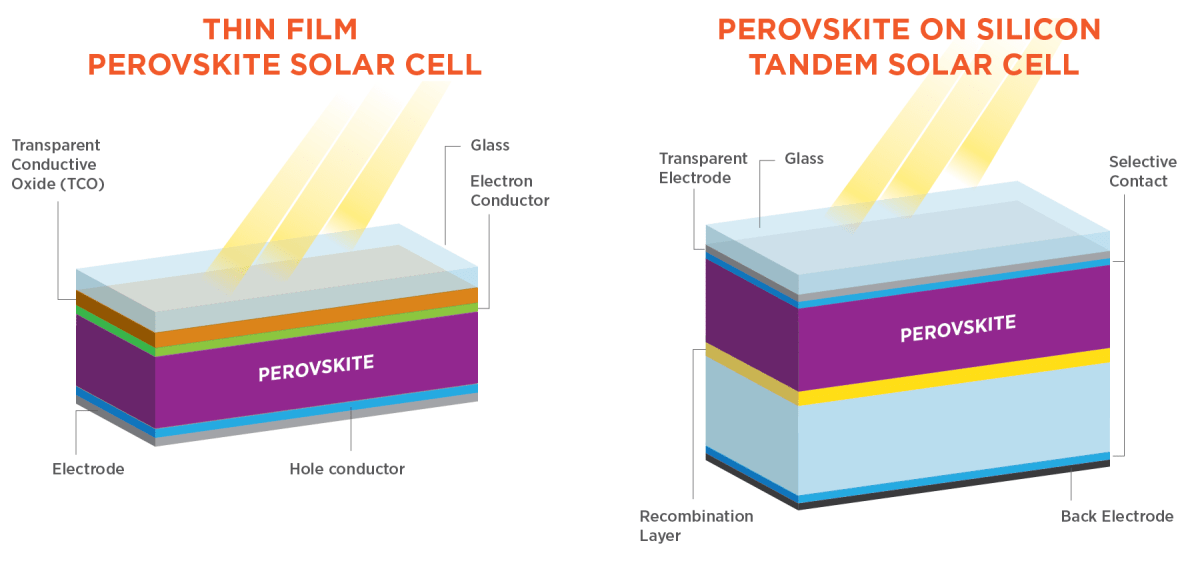
When a light beam strikes a film whose thickness is comparable to the wavelength of the light, part of the beam reflects off the top surface while another portion penetrates, reflects off the bottom interface, and emerges together. The two reflected waves interfere—constructively or destructively—producing fringe patterns that appear as peaks or dips in the measured spectrum.
In perovskite layers that are typically 200–600 nm thick, these interference fringes fall squarely within the mid‑infrared region (400–4000 cm⁻¹), the same window used for Fourier‑transform infrared (FTIR) spectroscopy to detect molecular bonds. Consequently, researchers may mistakenly attribute a fringe to a C=O stretch or an N‑H bend, concluding that a degradation product or additive is present.
"What we initially thought was a new vibrational mode turned out to be a classic thin‑film artefact. It reminded us how essential rigorous control experiments are," – Dr. Ananya Rao, University of Cambridge.
Why It’s Trending on Google Trends
The story broke on Phys.org and quickly rippled through scientific news aggregators, pre‑print servers, and social media platforms frequented by physicists and materials scientists. Several factors fuel its virality:
- High stakes: Perovskite stability is the bottleneck for commercial deployment. Any claim of a breakthrough—real or illusory—draws intense scrutiny.
- Broad relevance: The interference issue isn’t limited to perovskites; any thin‑film technology (OLEDs, quantum dots, anti‑reflective coatings) can suffer similar misreadings.
- Methodological introspection: The episode sparks a meta‑conversation about reproducibility, echoing the larger replication crisis in experimental science.
- Visual appeal: Spectral graphs showing “ghost peaks” are instantly shareable, driving clicks and discussions on platforms like Twitter and LinkedIn.
Implications for Research & Industry
For Academic Labs
- Re‑evaluation of past data: Teams must revisit earlier FTIR or Raman results, especially those reporting unexpected organic residues.
- Protocol upgrades: Incorporating angle‑resolved spectroscopy, variable‑thickness control samples, and transfer‑matrix modelling can help isolate true molecular signatures.
- Cross‑validation: Combining FTIR with complementary techniques such as X‑ray photoelectron spectroscopy (XPS) or time‑resolved photoluminescence reduces reliance on a single spectral fingerprint.
For Commercial Stakeholders
- Quality‑control standards: Manufacturers will need to embed interference‑aware checks into their production lines to avoid false‑positive defect reports.
- Investor confidence: Transparent acknowledgment of measurement artefacts can bolster trust among venture capitalists and government funders.
- Intellectual‑property clarity: Patents that claim novel chemical passivation layers must now substantiate claims with artefact‑free data.
Mitigation Strategies
| Strategy | How It Works | Pros | Cons |
|---|---|---|---|
| Variable‑Angle FTIR | Changing the incident angle shifts interference fringes, revealing their dependence on geometry. | Simple hardware tweak; immediate visual cue. | Requires careful calibration; may not eliminate all artefacts. |
| Reference Substrates | Measure spectra on bare glass or identical substrates without perovskite. | Direct baseline subtraction. | Does not account for film‑specific phase changes. |
| Transfer‑Matrix Simulations | Computationally model multilayer optics to predict fringe positions. | Provides quantitative correction; reusable across experiments. | Demands expertise in optical modelling; computational overhead. |
| Broadband Pulsed Sources | Using ultrafast lasers reduces coherent interference due to short coherence length. | Minimizes fringe intensity. | Expensive; not always compatible with standard FTIR setups. |
Adopting a combination of these tactics is recommended. For instance, a lab might first run a variable‑angle scan, then feed the data into a transfer‑matrix model to subtract the predicted artefact, and finally confirm the cleaned spectrum with XPS.
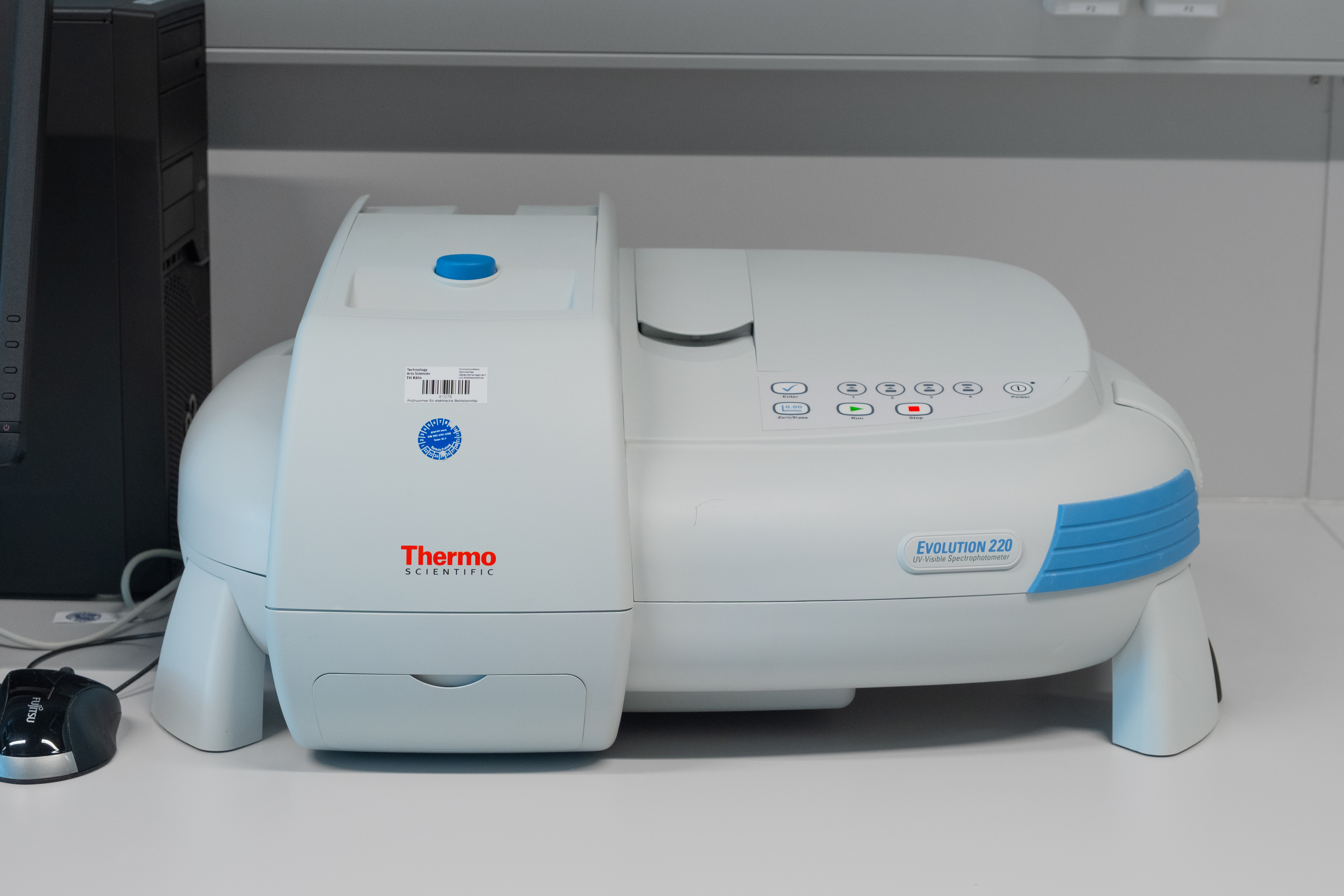 spectroscopy equipment lab
Editorial Analysis & Future Outlook
The revelation that thin‑film optics can masquerade as molecular signals is more than a technical footnote; it is a catalyst for methodological rigor in the fast‑moving perovskite arena. In the next 12‑18 months, we anticipate three converging trends:
- Standardization of Spectroscopic Protocols – International bodies such as the International Electrotechnical Commission (IEC) are likely to draft guidelines that mandate interference‑aware measurements for thin‑film photovoltaics.
- AI‑Assisted Spectral Deconvolution – Machine‑learning models trained on simulated interference patterns will become plug‑ins for commercial spectrometers, automatically flagging suspect peaks.
- Cross‑Disciplinary Collaboration – Optical physicists, chemists, and device engineers will co‑author papers to ensure that reported vibrational modes survive a multi‑modal verification pipeline.
From a broader perspective, this episode underscores a timeless lesson: the elegance of a material’s performance can be clouded by the elegance of light itself. As perovskite solar cells edge closer to market readiness, the community’s ability to discern genuine chemistry from optical illusion will dictate the speed and credibility of their commercial rollout.
In sum, the thin‑film interference story is a reminder that science advances not just by discovery, but by the relentless refinement of how we observe those discoveries.
Original Reporting & Source: Phys.org

Discussion (0)
Sign in to join the discussion.
No comments yet. Be the first to start the conversation!