Umang Sisodia • • 3 min read • 8 views
India’s Northeast: Security, Connectivity, and the China Factor
Introduction
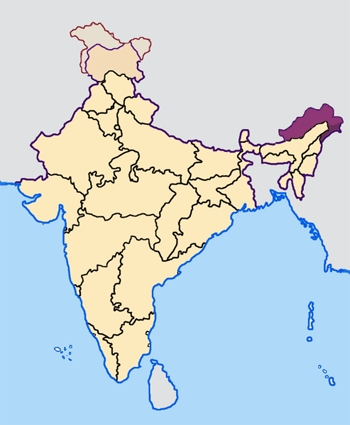
India’s Northeastern belt, once seen as a peripheral fringe, has vaulted onto the national agenda. Bordered by China, Myanmar, Bangladesh, Bhutan and Nepal, the region now sits at the confluence of security imperatives, massive connectivity drives, and a shifting China‑India rivalry. This editorial examines why the Northeast is no longer a backwater but a strategic fulcrum for New Delhi.
Geopolitical Stakes
The 3,488‑km Sino‑Indian Line of Actual Control (LAC) slices through the rugged terrains of Arunachal Pradesh, Sikkim and Ladakh. While the Himalayan spine has historically acted as a natural barrier, modern warfare, infrastructure races, and economic outreach have transformed it into a contested frontier.
Security Concerns
- Border Incursions: Repeated face‑offs at the Bum La Pass and the Yangtse region underscore the volatility of the LAC.
- Insurgency Legacy: Decades of ethnic insurgency have left a security vacuum that both India and China seek to fill through soft power and development projects.
- Strategic Depth: Control over the Northeast offers China a potential corridor to the Indian Ocean via the “String of Pearls” network, while India views the region as a buffer to protect its eastern seaboard.
Connectivity Drive
New Delhi’s response has been a multi‑pronged push to stitch the region together and project power beyond its borders.
- Bharatmala & Border Roads Organisation (BRO): Over 5,000 km of all‑weather roads, including the strategic Mohan‑Brahmaputra Expressway, are under construction, reducing travel time between Guwahati and border outposts.
- Act East Policy: Enhanced rail links (e.g., the Brahmaputra‑Sikkim railway) aim to integrate the Northeast with Southeast Asian markets, countering China’s Belt‑and‑Road Initiative (BRI) in Myanmar and Bangladesh.
- Digital Infrastructure: 5G roll‑outs and satellite broadband are being fast‑tracked to bridge the digital divide, fostering economic resilience.
Economic Opportunities
Connectivity is not an end in itself; it is a catalyst for growth.
- Agriculture & Horticulture: Improved logistics open export avenues for tea, oranges, and specialty mushrooms to global markets.
- Tourism: Scenic vistas, tribal cultures, and adventure sports attract niche tourists, promising a sustainable revenue stream.
- Hydropower: The Brahmaputra’s tributaries hold multi‑gigawatt potential, attracting both domestic and foreign investment.
Challenges and the Way Forward
Despite ambitious plans, several hurdles persist.
- Terrain & Weather: Monsoons and landslides frequently disrupt construction, inflating costs and timelines.
- Local Sentiments: Indigenous communities demand greater participation and safeguards against land alienation.
- China’s Parallel Projects: The China‑Myanmar Economic Corridor (CMEC) threatens to outpace Indian initiatives if not matched with speed and transparency.
Key Takeaways
- Security and connectivity are two sides of the same coin; robust infrastructure deters aggression while fostering development.
- The Northeast’s strategic importance is amplified by China’s expanding footprint in South‑East Asia.
- Inclusive growth—respecting local cultures and ensuring equitable benefits—is essential for long‑term stability.
Conclusion
India’s Northeastern frontier is at a crossroads. By marrying hard security with soft development, New Delhi can transform a historically vulnerable periphery into a resilient, prosperous gateway to Asia. The coming decade will test whether policy, politics, and people can converge to secure the region’s future against the backdrop of an assertive China.
Original Reporting & Source: ABP Live Blog

Discussion (0)
Sign in to join the discussion.
No comments yet. Be the first to start the conversation!