Umang Sisodia • • 3 min read • 5 views

Power Failure Halts NEET PG Exam in Jaipur: Implications for Rajasthan’s Medical Aspirants
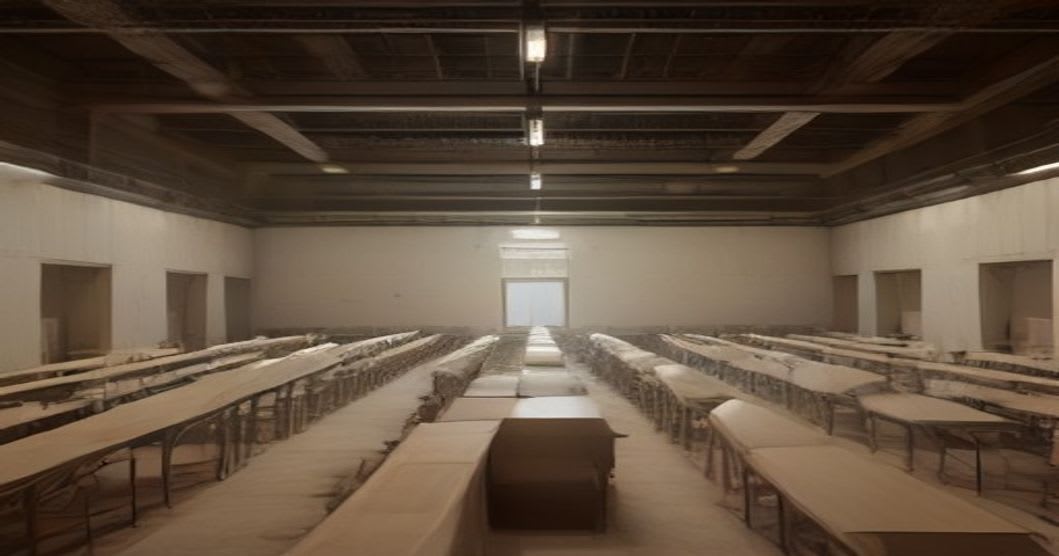
Power Failure Halts NEET PG Exam in Jaipur: Implications for Rajasthan’s Medical Aspirants

Introduction

The National Eligibility cum Entrance Test for Post‑Graduation (NEET PG) is the gateway for thousands of Indian doctors seeking specialty training. On 22 April 2024, a critical lapse in infrastructure caused a complete power outage at the Jaipur examination centre in Rajasthan, preventing the paper from starting on time. The incident sparked outrage among candidates, raised questions about exam administration, and highlighted systemic vulnerabilities in large‑scale testing.

Background: NEET PG’s Significance

  • National Benchmark: NEET PG determines entry into MD/MS and diploma courses across India, influencing the future of the country's healthcare workforce.
  • High Stakes: With over 80,000 candidates appearing annually, any disruption can affect careers, state quotas, and the distribution of specialist doctors.
  • Rajasthan’s Context: The state contributes a sizable share of aspirants, many of whom travel long distances to Jaipur, the designated hub for the western region.

The Incident at Jaipur Centre

On the scheduled start time, candidates found the exam hall lights flickering, followed by a complete blackout. The power failure was traced to a faulty electrical transformer that had not been serviced in months. Despite the presence of backup generators, the backup system failed to engage, leaving students stranded in darkness for over 45 minutes.

  • Immediate Impact: The exam was postponed, and candidates were asked to remain seated, causing anxiety and fatigue.
  • Administrative Response: The National Board of Examinations (NBE) issued an apology, promised a thorough investigation, and announced a rescheduling of the affected paper.
  • Student Reaction: Social media erupted with hashtags like #NEETPGJaipurFail, as candidates shared photos of the dark hall and voiced concerns over fairness.

Ripple Effects on Stakeholders

  1. Candidates: The delay disrupted concentration, potentially affecting performance and ranking.
  2. Medical Colleges: Admission timelines were compressed, creating logistical challenges for seat allocation.
  3. State Government: Rajasthan faced criticism for inadequate infrastructure oversight, especially after previous complaints about venue conditions.
  4. Exam Conductors: The NBE’s credibility was questioned, prompting calls for stricter compliance checks.

Systemic Issues Uncovered

  • Infrastructure Audits: Past audits have highlighted outdated wiring and insufficient backup power in many exam centres.
  • Vendor Accountability: The agencies responsible for venue preparation often lack clear penalties for non‑compliance.
  • Real‑Time Monitoring: Absence of live monitoring tools meant the fault was only detected after candidates reported it.

Recommendations for Future Exams

  • Mandatory Pre‑Exam Power Stress Tests: Conduct simulated load tests 48 hours before the exam.
  • Independent Oversight Body: Establish a third‑party audit team to certify venue readiness.
  • Robust Backup Systems: Ensure dual‑redundant generators with automatic switchover capabilities.
  • Transparent Communication: Deploy a real‑time alert system (SMS/email) to inform candidates of any disruptions.

Conclusion

The Jaipur power outage serves as a stark reminder that the integrity of high‑stakes examinations hinges not only on the fairness of the test itself but also on the reliability of the surrounding infrastructure. By addressing the highlighted gaps, authorities can restore confidence among aspirants and ensure that the nation’s future specialists are evaluated on merit, not on the whims of faulty wiring.


This article draws on reports from India Today Top Stories and expert commentary on exam administration.


Original Reporting & Source: India Today Top Stories

Discussion (0)

Sign in to join the discussion.

No comments yet. Be the first to start the conversation!

| |

Power Failure Halts NEET PG Exam in Jaipur: Implications for Rajasthan’s Medical Aspirants

By Umang Sisodia • 3 min read • 5 views

Introduction

The National Eligibility cum Entrance Test for Post‑Graduation (NEET PG) is the gateway for thousands of Indian doctors seeking specialty training. On 22 April 2024, a critical lapse in infrastructure caused a complete power outage at the Jaipur examination centre in Rajasthan, preventing the paper from starting on time. The incident sparked outrage among candidates, raised questions about exam administration, and highlighted systemic vulnerabilities in large‑scale testing.

Background: NEET PG’s Significance

  • National Benchmark: NEET PG determines entry into MD/MS and diploma courses across India, influencing the future of the country's healthcare workforce.
  • High Stakes: With over 80,000 candidates appearing annually, any disruption can affect careers, state quotas, and the distribution of specialist doctors.
  • Rajasthan’s Context: The state contributes a sizable share of aspirants, many of whom travel long distances to Jaipur, the designated hub for the western region.

The Incident at Jaipur Centre

On the scheduled start time, candidates found the exam hall lights flickering, followed by a complete blackout. The power failure was traced to a faulty electrical transformer that had not been serviced in months. Despite the presence of backup generators, the backup system failed to engage, leaving students stranded in darkness for over 45 minutes.

  • Immediate Impact: The exam was postponed, and candidates were asked to remain seated, causing anxiety and fatigue.
  • Administrative Response: The National Board of Examinations (NBE) issued an apology, promised a thorough investigation, and announced a rescheduling of the affected paper.
  • Student Reaction: Social media erupted with hashtags like #NEETPGJaipurFail, as candidates shared photos of the dark hall and voiced concerns over fairness.

Ripple Effects on Stakeholders

  1. Candidates: The delay disrupted concentration, potentially affecting performance and ranking.
  2. Medical Colleges: Admission timelines were compressed, creating logistical challenges for seat allocation.
  3. State Government: Rajasthan faced criticism for inadequate infrastructure oversight, especially after previous complaints about venue conditions.
  4. Exam Conductors: The NBE’s credibility was questioned, prompting calls for stricter compliance checks.

Systemic Issues Uncovered

  • Infrastructure Audits: Past audits have highlighted outdated wiring and insufficient backup power in many exam centres.
  • Vendor Accountability: The agencies responsible for venue preparation often lack clear penalties for non‑compliance.
  • Real‑Time Monitoring: Absence of live monitoring tools meant the fault was only detected after candidates reported it.

Recommendations for Future Exams

  • Mandatory Pre‑Exam Power Stress Tests: Conduct simulated load tests 48 hours before the exam.
  • Independent Oversight Body: Establish a third‑party audit team to certify venue readiness.
  • Robust Backup Systems: Ensure dual‑redundant generators with automatic switchover capabilities.
  • Transparent Communication: Deploy a real‑time alert system (SMS/email) to inform candidates of any disruptions.

Conclusion

The Jaipur power outage serves as a stark reminder that the integrity of high‑stakes examinations hinges not only on the fairness of the test itself but also on the reliability of the surrounding infrastructure. By addressing the highlighted gaps, authorities can restore confidence among aspirants and ensure that the nation’s future specialists are evaluated on merit, not on the whims of faulty wiring.


This article draws on reports from India Today Top Stories and expert commentary on exam administration.


Original Reporting & Source: India Today Top Stories