Umang Sisodia • • 4 min read • 7 views

US Treasury Bars Reporters from G20 Finance Meeting, Raising Press Freedom Alarm
US Treasury Bars Reporters from G20 Finance Meeting, Raising Press Freedom Alarm

Introduction

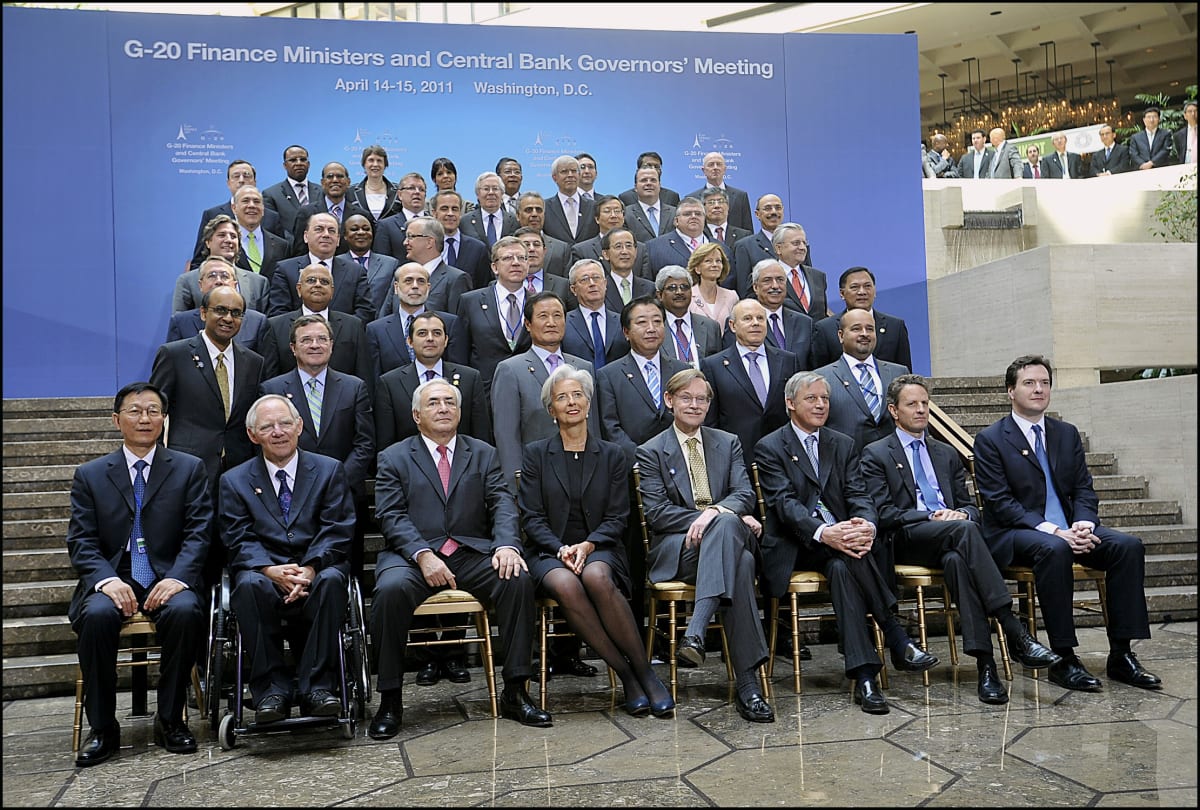
In a move that has sparked a fresh debate over media access to high‑level diplomatic gatherings, the U.S. Treasury Department barred journalists from covering the G20 Finance Ministers and Central Bank Governors meeting held in Washington, D.C. The decision, announced just hours before the summit began, has been condemned by press‑freedom watchdogs and raised questions about the balance between security concerns and the public’s right to information.

What Happened?

  • Decision date: The Treasury issued the restriction on September 20, 2024, citing “operational security” and the need to protect confidential discussions.
  • Scope: All credentialed reporters, including those from major U.S. and international outlets, were denied access to the press pool and the official briefing room.
  • Official rationale: A spokesperson said the meeting would involve “sensitive macro‑economic policy deliberations” that could be compromised by live media coverage.

Why It Matters

Press Freedom at International Summits

Historically, G20 finance gatherings have been open to a vetted press corps, allowing journalists to relay real‑time analysis of policy decisions that affect global markets. Excluding the press not only limits transparency but also fuels speculation about the agenda, potentially destabilising markets that thrive on information.

Diplomatic Repercussions

  • Allied criticism: Media associations in the European Union and Canada publicly expressed disappointment, warning that the move could strain diplomatic goodwill.
  • Domestic backlash: U.S. journalists’ unions filed a formal complaint with the Department of Justice, alleging a violation of the First Amendment.
  • Economic impact: Analysts note that reduced media coverage may dampen investor confidence, especially in volatile sectors like emerging‑market currencies.

Contextual Background

The G20 finance forum, convened annually, brings together the world’s most powerful economies to coordinate fiscal policy, address debt sustainability, and discuss climate‑linked financing. In recent years, the summit has been a hotbed for leaks and real‑time reporting—think of the 2022 meeting where a journalist’s tweet about a proposed interest‑rate hike sent markets into a brief tumble.

Reactions from the Media Community

"A free press is the cornerstone of democratic accountability," said Rebecca Mitchell, senior editor at The Washington Post. "When the Treasury decides to shut the doors, it sends a chilling signal to all reporters covering global governance."

Organizations such as the Committee to Protect Journalists (CPJ) and Reporters Without Borders (RSF) issued joint statements urging the U.S. government to revise its policy and restore full press access.

Looking Ahead

  • Potential policy revision: Sources close to the Treasury suggest a review of the press‑exclusion rule could be on the agenda for the next G20 finance summit in Tokyo, 2025.
  • Legal avenues: Media groups are exploring litigation under the Freedom of Information Act to obtain internal memos justifying the ban.
  • Industry adaptation: With live coverage limited, many outlets are turning to post‑event analysis, relying on leaked documents and insider sources to fill the information gap.

Takeaways

  1. Transparency vs. security – The Treasury’s decision underscores the tension between safeguarding confidential negotiations and upholding democratic openness.
  2. Press freedom is under scrutiny – International bodies are watching closely, and any perceived overreach could erode the U.S.’s standing as a champion of free speech.
  3. Market sensitivity – Limited media flow can amplify uncertainty, affecting currency markets and investor sentiment.

The episode serves as a reminder that even in the digital age, the simple act of allowing a reporter into a conference room remains a powerful symbol of accountability.


For further reading, see the full statement from the U.S. Treasury and the CPJ’s press‑freedom brief on G20 summits.


Original Reporting & Source: India Today Top Stories

Discussion (0)

Sign in to join the discussion.

No comments yet. Be the first to start the conversation!

| |

US Treasury Bars Reporters from G20 Finance Meeting, Raising Press Freedom Alarm

By Umang Sisodia • 4 min read • 7 views

Introduction

In a move that has sparked a fresh debate over media access to high‑level diplomatic gatherings, the U.S. Treasury Department barred journalists from covering the G20 Finance Ministers and Central Bank Governors meeting held in Washington, D.C. The decision, announced just hours before the summit began, has been condemned by press‑freedom watchdogs and raised questions about the balance between security concerns and the public’s right to information.

What Happened?

  • Decision date: The Treasury issued the restriction on September 20, 2024, citing “operational security” and the need to protect confidential discussions.
  • Scope: All credentialed reporters, including those from major U.S. and international outlets, were denied access to the press pool and the official briefing room.
  • Official rationale: A spokesperson said the meeting would involve “sensitive macro‑economic policy deliberations” that could be compromised by live media coverage.

Why It Matters

Press Freedom at International Summits

Historically, G20 finance gatherings have been open to a vetted press corps, allowing journalists to relay real‑time analysis of policy decisions that affect global markets. Excluding the press not only limits transparency but also fuels speculation about the agenda, potentially destabilising markets that thrive on information.

Diplomatic Repercussions

  • Allied criticism: Media associations in the European Union and Canada publicly expressed disappointment, warning that the move could strain diplomatic goodwill.
  • Domestic backlash: U.S. journalists’ unions filed a formal complaint with the Department of Justice, alleging a violation of the First Amendment.
  • Economic impact: Analysts note that reduced media coverage may dampen investor confidence, especially in volatile sectors like emerging‑market currencies.

Contextual Background

The G20 finance forum, convened annually, brings together the world’s most powerful economies to coordinate fiscal policy, address debt sustainability, and discuss climate‑linked financing. In recent years, the summit has been a hotbed for leaks and real‑time reporting—think of the 2022 meeting where a journalist’s tweet about a proposed interest‑rate hike sent markets into a brief tumble.

Reactions from the Media Community

"A free press is the cornerstone of democratic accountability," said Rebecca Mitchell, senior editor at The Washington Post. "When the Treasury decides to shut the doors, it sends a chilling signal to all reporters covering global governance."

Organizations such as the Committee to Protect Journalists (CPJ) and Reporters Without Borders (RSF) issued joint statements urging the U.S. government to revise its policy and restore full press access.

Looking Ahead

  • Potential policy revision: Sources close to the Treasury suggest a review of the press‑exclusion rule could be on the agenda for the next G20 finance summit in Tokyo, 2025.
  • Legal avenues: Media groups are exploring litigation under the Freedom of Information Act to obtain internal memos justifying the ban.
  • Industry adaptation: With live coverage limited, many outlets are turning to post‑event analysis, relying on leaked documents and insider sources to fill the information gap.

Takeaways

  1. Transparency vs. security – The Treasury’s decision underscores the tension between safeguarding confidential negotiations and upholding democratic openness.
  2. Press freedom is under scrutiny – International bodies are watching closely, and any perceived overreach could erode the U.S.’s standing as a champion of free speech.
  3. Market sensitivity – Limited media flow can amplify uncertainty, affecting currency markets and investor sentiment.

The episode serves as a reminder that even in the digital age, the simple act of allowing a reporter into a conference room remains a powerful symbol of accountability.


For further reading, see the full statement from the U.S. Treasury and the CPJ’s press‑freedom brief on G20 summits.


Original Reporting & Source: India Today Top Stories