Umang Sisodia • • 3 min read • 7 views

India’s 7.8% GDP Surge: Why the Government Revised Numbers and What It Means for 2026 Growth Targets
India’s 7.8% GDP Surge: Why the Government Revised Numbers and What It Means for 2026 Growth Targets

Introduction

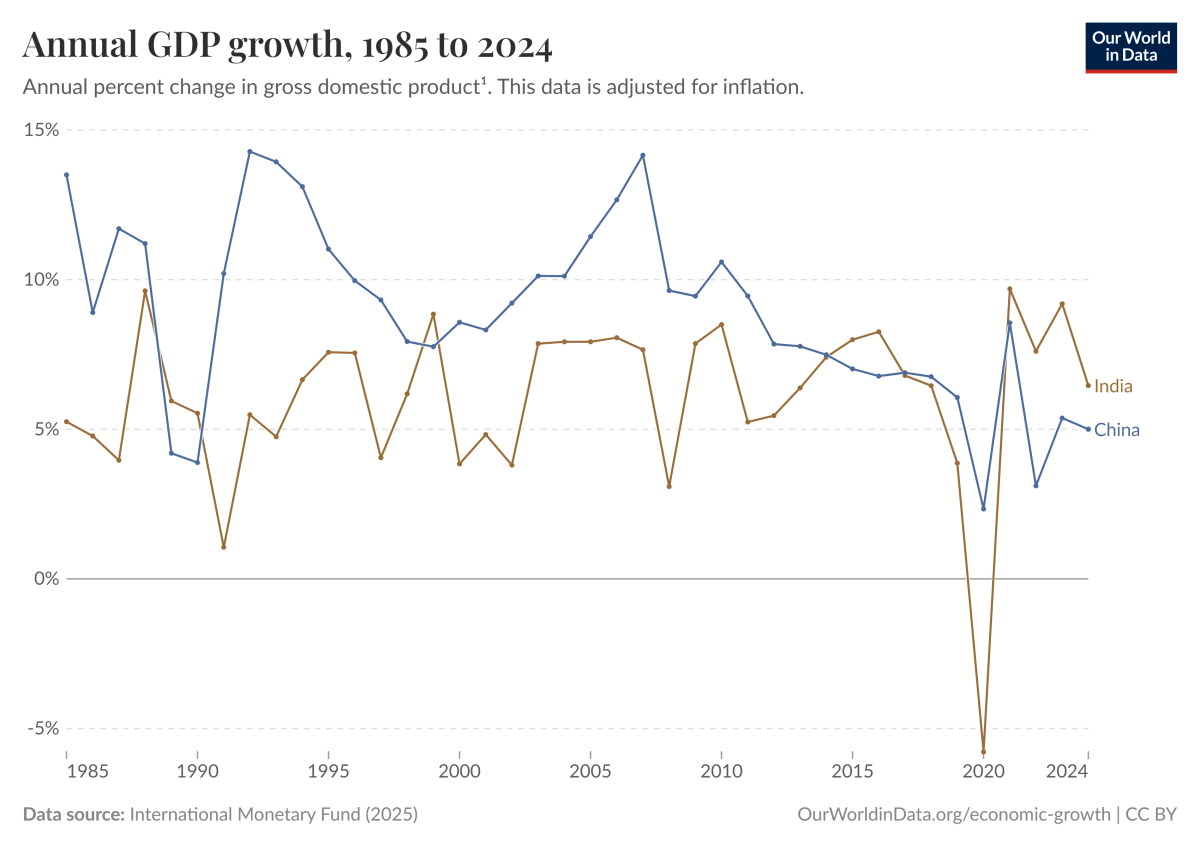
In early 2024, India reported a 7.8% year‑on‑year rise in real GDP – the fastest pace in decades. The surprise jump sparked a flurry of speculation: Was the figure deliberately revised upward to create a growth narrative for the 2026 target? Within days, the Ministry of Statistics and Programme Implementation (MOSPI) released a Frequently Asked Questions (FAQ) document to address the doubts and explain the methodology behind the revision.

Why the Revision?

  1. Methodological updates – MOSPI incorporated the latest base year (2022‑23) and refined sectoral weights, especially for services and digital economy components that had been under‑captured.
  2. Data reconciliation – Earlier estimates relied heavily on sample surveys; the new figures integrate more comprehensive tax‑based data, improving coverage of informal activities.
  3. International comparability – Aligning with the System of National Accounts (2008) ensures India’s numbers sit on the same footing as other major economies, a move welcomed by the IMF and World Bank.

These technical reasons are legitimate, but the timing—just before the government’s 2026 growth roadmap was unveiled—raised eyebrows.

The Government’s FAQ: Key Takeaways

  • Transparency pledge – The FAQ emphasizes that the revision follows a pre‑published statistical protocol and is not a post‑hoc adjustment.
  • Sector‑wise breakdown – Services contributed 8.5%, manufacturing 7.2%, and agriculture 6.9% to the overall growth, highlighting the resilience of the service sector.
  • Impact on fiscal targets – Higher GDP lowers the debt‑to‑GDP ratio, giving the Finance Ministry breathing room to meet its fiscal consolidation goals.
  • Future revisions – MOSPI assures that quarterly updates will continue, with a commitment to publish methodology notes alongside each release.

Implications for the 2026 Growth Target

The government has set an ambitious 8.5% annual growth target for the 2026 fiscal year. The 7.8% surge serves two strategic purposes:

  • Confidence building – A near‑target figure reassures investors, rating agencies, and the electorate that the 2026 goal is achievable.
  • Policy leverage – Strong growth figures empower the administration to push forward reforms in infrastructure, renewable energy, and digital finance without fearing political backlash.

Expert Opinions

  • Raghuram Rajan (former RBI Governor) warns that *"sustaining 8‑plus percent growth will require structural reforms, not just statistical tweaks."
  • Arvind Subramanian (former IMF chief economist) notes that *"India’s demographic dividend can fuel higher growth, but only if productivity gains keep pace."
  • Domestic think‑tanks such as NITI Aayog stress the need for skill up‑skilling and urban‑rural connectivity to translate the headline numbers into broad‑based prosperity.

Historical Context

India’s GDP revisions are not new. The 2014‑15 fiscal year saw a downward revision after a data‑quality audit, which temporarily dented market sentiment. The current upward revision, however, is the largest upward swing in a decade, underscoring the rapid evolution of data‑collection capabilities.

What to Watch

  • Quarterly releases – Subsequent quarters will reveal whether the 7.8% figure was a one‑off spike or the start of a new trend.
  • Policy rollout – Implementation of the National Infrastructure Pipeline and Green Energy Mission will be critical to sustaining momentum.
  • Global headwinds – Commodity price volatility and supply‑chain disruptions could temper growth, making the FAQ’s caveats especially relevant.

Conclusion

The 7.8% GDP jump is a statistical milestone that the Indian government has leveraged to bolster its 2026 growth narrative. While the methodological upgrades are genuine, the timing amplifies the political calculus. For investors, policymakers, and citizens, the real test lies ahead: can India translate this headline growth into inclusive, long‑term prosperity?


Original Reporting & Source: India Today Top Stories

Discussion (0)

Sign in to join the discussion.

No comments yet. Be the first to start the conversation!

| |

India’s 7.8% GDP Surge: Why the Government Revised Numbers and What It Means for 2026 Growth Targets

By Umang Sisodia • 3 min read • 7 views

Introduction

In early 2024, India reported a 7.8% year‑on‑year rise in real GDP – the fastest pace in decades. The surprise jump sparked a flurry of speculation: Was the figure deliberately revised upward to create a growth narrative for the 2026 target? Within days, the Ministry of Statistics and Programme Implementation (MOSPI) released a Frequently Asked Questions (FAQ) document to address the doubts and explain the methodology behind the revision.

Why the Revision?

  1. Methodological updates – MOSPI incorporated the latest base year (2022‑23) and refined sectoral weights, especially for services and digital economy components that had been under‑captured.
  2. Data reconciliation – Earlier estimates relied heavily on sample surveys; the new figures integrate more comprehensive tax‑based data, improving coverage of informal activities.
  3. International comparability – Aligning with the System of National Accounts (2008) ensures India’s numbers sit on the same footing as other major economies, a move welcomed by the IMF and World Bank.

These technical reasons are legitimate, but the timing—just before the government’s 2026 growth roadmap was unveiled—raised eyebrows.

The Government’s FAQ: Key Takeaways

  • Transparency pledge – The FAQ emphasizes that the revision follows a pre‑published statistical protocol and is not a post‑hoc adjustment.
  • Sector‑wise breakdown – Services contributed 8.5%, manufacturing 7.2%, and agriculture 6.9% to the overall growth, highlighting the resilience of the service sector.
  • Impact on fiscal targets – Higher GDP lowers the debt‑to‑GDP ratio, giving the Finance Ministry breathing room to meet its fiscal consolidation goals.
  • Future revisions – MOSPI assures that quarterly updates will continue, with a commitment to publish methodology notes alongside each release.

Implications for the 2026 Growth Target

The government has set an ambitious 8.5% annual growth target for the 2026 fiscal year. The 7.8% surge serves two strategic purposes:

  • Confidence building – A near‑target figure reassures investors, rating agencies, and the electorate that the 2026 goal is achievable.
  • Policy leverage – Strong growth figures empower the administration to push forward reforms in infrastructure, renewable energy, and digital finance without fearing political backlash.

Expert Opinions

  • Raghuram Rajan (former RBI Governor) warns that *"sustaining 8‑plus percent growth will require structural reforms, not just statistical tweaks."
  • Arvind Subramanian (former IMF chief economist) notes that *"India’s demographic dividend can fuel higher growth, but only if productivity gains keep pace."
  • Domestic think‑tanks such as NITI Aayog stress the need for skill up‑skilling and urban‑rural connectivity to translate the headline numbers into broad‑based prosperity.

Historical Context

India’s GDP revisions are not new. The 2014‑15 fiscal year saw a downward revision after a data‑quality audit, which temporarily dented market sentiment. The current upward revision, however, is the largest upward swing in a decade, underscoring the rapid evolution of data‑collection capabilities.

What to Watch

  • Quarterly releases – Subsequent quarters will reveal whether the 7.8% figure was a one‑off spike or the start of a new trend.
  • Policy rollout – Implementation of the National Infrastructure Pipeline and Green Energy Mission will be critical to sustaining momentum.
  • Global headwinds – Commodity price volatility and supply‑chain disruptions could temper growth, making the FAQ’s caveats especially relevant.

Conclusion

The 7.8% GDP jump is a statistical milestone that the Indian government has leveraged to bolster its 2026 growth narrative. While the methodological upgrades are genuine, the timing amplifies the political calculus. For investors, policymakers, and citizens, the real test lies ahead: can India translate this headline growth into inclusive, long‑term prosperity?


Original Reporting & Source: India Today Top Stories