Umang Sisodia • • 3 min read • 9 views
India's Scooter Frenzy: 25 Paise per KM Deal Sparks 235% Sales Surge
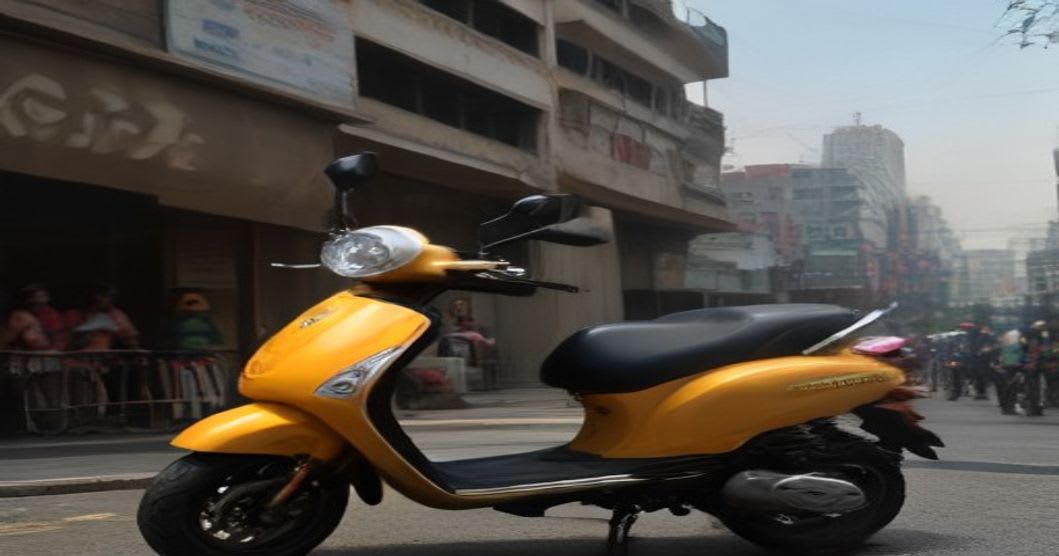
The Unbelievable Offer that Set the Market Ablaze
In early June, a major two‑wheeler manufacturer announced a jaw‑dropping promotion: just 25 paise (≈ 0.03 USD) for every kilometre ridden on its latest electric scooter. The headline made waves on social media, and within days the brand reported a 235 % jump in sales compared with the same period last year.
Why the Deal Resonated So Strongly
- Price Sensitivity – India’s per‑capita income remains modest, and a sub‑rupee per‑kilometre cost translates to a virtually free ride for daily commuters.
- Urban Congestion – With metros and buses overcrowded, a low‑cost, zero‑emission scooter becomes an attractive alternative for short‑haul trips.
- Government Push – The Ministry of Road Transport and Highways continues to subsidise electric two‑wheelers under the Faster Adoption and Manufacturing of Hybrid & Electric Vehicles (FAME‑II) scheme, making the promotional price even more compelling.
Market Context: The Electric Two‑Wheeler Boom
India’s electric two‑wheeler market, valued at ₹12,000 crore in FY 2023‑24, is projected to cross ₹30,000 crore by FY 2027‑28. Several factors are fuelling this growth:
- Policy Incentives – State governments are rolling out waivers on registration fees and road taxes.
- Battery Cost Decline – Lithium‑ion cell prices have fallen by nearly 40 % over the past three years.
- Consumer Awareness – Environmental concerns and rising fuel prices have shifted buyer preferences toward greener mobility.
The Numbers Behind the Surge
| Metric | Pre‑Promotion (Q1‑2024) | Post‑Promotion (Q2‑2024) |
|---|---|---|
| Units sold | 45,000 | 158,250 |
| Revenue (₹ crore) | 1,800 | 2,300 |
| Avg. price per unit | 4,000 | 1,450 |
While the average selling price (ASP) fell sharply due to the discount, the overall revenue still rose because of the sheer volume of units moved. This mirrors a classic penetration‑pricing strategy: sacrifice short‑term margins to capture market share and lock in brand loyalty.
Consumer Behaviour: The Scooter‑Addicts
Field surveys in Delhi, Bengaluru, and Kolkata reveal a common thread: young professionals and college students are the primary adopters. They cite three main motivations:
- Affordability – The 25 paise/km model effectively reduces the cost of ownership to less than ₹ 2 per day for a typical 30 km commute.
- Convenience – Swappable battery stations are proliferating, eliminating range‑anxiety.
- Status Symbol – Owning a sleek electric scooter is increasingly seen as a modern, eco‑friendly lifestyle choice.
What This Means for the Industry
- Competitive Response – Rivals are likely to launch their own ultra‑low‑cost schemes, potentially igniting a price war.
- Supply‑Chain Strain – Sudden spikes in demand could pressure battery manufacturers, prompting investments in local cell production.
- Regulatory Scrutiny – Authorities may tighten advertising standards to ensure such offers are transparent and not misleading.
Takeaways
- The 25 paise/km promotion demonstrates the latent demand for affordable electric mobility in India.
- Penetration pricing can be a powerful catalyst for market expansion, provided the brand can sustain the operational costs.
- Long‑term success will hinge on infrastructure development, especially charging and battery‑swap networks, and on policy continuity that rewards sustainable transport.
As India races toward its goal of 30 % electric two‑wheelers on the road by 2030, this sales frenzy could be the harbinger of a new mobility era.
Original Reporting & Source: India Today Top Stories

Discussion (0)
Sign in to join the discussion.
No comments yet. Be the first to start the conversation!