Umang Sisodia • • 3 min read • 6 views
Rising Encounter Killings in Uttar Pradesh: Data, Drivers, and Democratic Dilemmas
Introduction
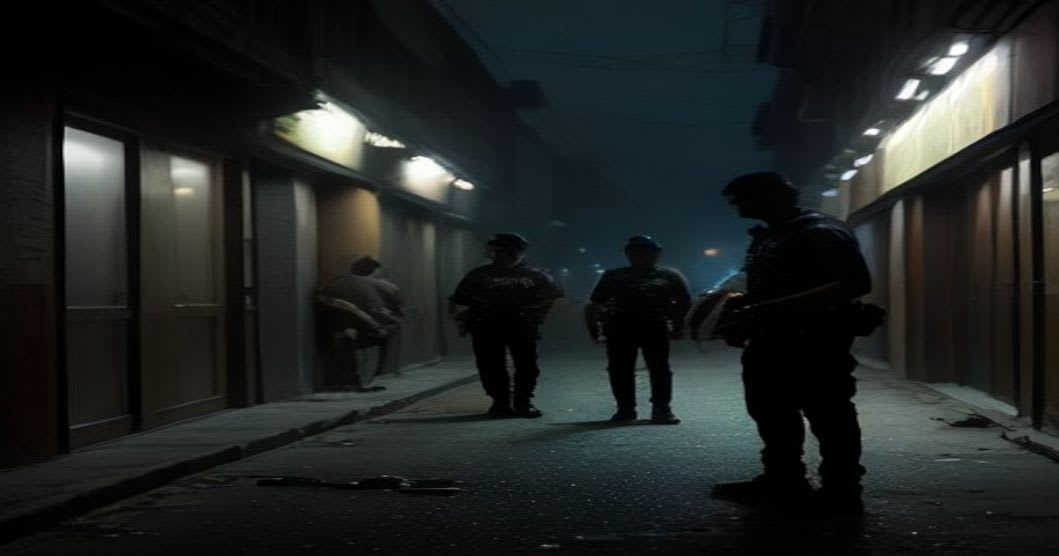
In recent months, reports of police "encounters" – extrajudicial killings framed as self‑defence – have resurfaced across Uttar Pradesh (UP). While the state’s law‑and‑order narrative often celebrates swift action against criminal elements, civil society groups and legal experts warn that a surge in such incidents threatens the rule of law and erodes public trust.
What Are Encounter Killings?
- Definition: An encounter is officially recorded when police claim a suspect opened fire, forcing officers to respond with lethal force.
- Contested Reality: Human‑rights organisations argue many encounters are staged, turning suspects into “victims of the state” without trial.
- Legal Framework: The Indian Penal Code and Supreme Court judgments demand that any lethal use of force be proportionate, necessary, and subject to independent inquiry.
Recent Trends in Uttar Pradesh
| Year | Reported Encounters (official) | Media‑verified Cases |
|---|---|---|
| 2020 | 12 | 8 |
| 2021 | 15 | 11 |
| 2022 | 18 | 14 |
| 2023 | 22 | 19 |
| 2024 (Jan‑Sept) | 16 | 13 |
The upward trajectory, even after adjusting for population growth, signals a pattern rather than isolated incidents.
High‑Profile Examples
- June 2024 – Lucknow: Two alleged gang members were killed in a night‑time raid that the police described as a “gun‑battle”. Eyewitnesses reported no gunfire from the suspects.
- September 2024 – Varanasi: A teenager accused of petty theft was shot dead outside a market. The family filed a habeas corpus petition, alleging a fabricated encounter.
Political and Policing Context
- Law‑and‑Order Narrative: The current state government, led by the BJP, has built its electoral platform on a “zero tolerance” stance against crime. Encounter killings are often portrayed as evidence of decisive governance.
- Police Incentives: Officers receive commendations, media coverage, and sometimes monetary rewards for “neutralising” high‑profile criminals, creating a perverse incentive structure.
- Judicial Backlog: Over‑burdened courts delay trials for alleged criminals, prompting some officials to bypass due process.
Human Rights and Legal Implications
- Violation of Right to Life: Article 21 of the Indian Constitution guarantees life and personal liberty. Extrajudicial killings directly contravene this right.
- International Scrutiny: Reports by Amnesty International and the UN Human Rights Committee have highlighted Uttar Pradesh as a “hotspot” for police‑led killings.
- Accountability Gaps: Independent investigations are rare; most inquiries are internal, limiting transparency.
Data Gaps & Need for Transparency
- Inconsistent Reporting: Official statistics often differ from media and NGO tallies, making trend analysis difficult.
- Call for a Central Registry: Experts urge the creation of a publicly accessible database of all police‑encounter incidents, with mandatory forensic audits.
Takeaways
- The rise in encounters is not merely a law‑enforcement issue; it reflects deeper systemic pressures, political rhetoric, and institutional incentives.
- Strengthening judicial capacity, instituting independent oversight bodies, and ensuring media freedom are essential to curb the practice.
- Citizens, civil‑society groups, and policymakers must demand data transparency and enforce the constitutional guarantee of due process.
For further reading, see reports by the National Human Rights Commission, the Uttar Pradesh Police Annual Report, and investigative pieces from India Today and The Quint.
Original Reporting & Source: India Today Top Stories

Discussion (0)
Sign in to join the discussion.
No comments yet. Be the first to start the conversation!