Umang Sisodia • • 3 min read • 6 views
Goga Navami 2026: Shared Devotion Across India and Pakistan Unites Hindus and Muslims
Introduction
Goga Navami, observed on the full moon of Bhadrapada (usually in September), marks the birth anniversary of Goga Ji, a folk deity revered across the Indian sub‑continent. While the festival is widely celebrated in the northern Indian states of Punjab, Haryana, Uttar Pradesh and Rajasthan, its resonance extends far beyond the border – deep‑rooted shrines in Pakistan’s Punjab and Sindh also attract throngs of devotees. In 2026, the festival has once again highlighted a rare cultural bridge: a single deity venerated by both Hindus and Muslims, underscoring a syncretic tradition that survives political divides.
Historical Roots of Goga Ji
Goga Ji, also known as Gogaji or Gogaji Baba, is traditionally portrayed as a warrior‑saint who protected agrarian communities from disease, drought, and marauding bandits. Legends describe him as a son of Lord Shiva who, after mastering martial arts and yogic powers, became a guardian of the common folk. Over centuries, his legend merged with local Sufi narratives, leading many Muslim pirs to adopt him as a wali (saint). This dual identity is evident in the Goga Shrine at Gogamedi (India) and the Gogaji Dargah at Rohri (Pakistan), where both Hindu bhajans and Islamic naats echo during celebrations.
Rituals and Celebrations in 2026
- Morning Processions: Devotees, clad in colorful kurta‑pajamas and sarees, march with dhakis beating drums, carrying chadars (sacred cloths) draped over the deity’s idol.
- Offerings of Sweetened Milk and Lassi: A hallmark of the festival is the communal sharing of lassi and peda at the shrine’s langar (free kitchen), symbolising unity.
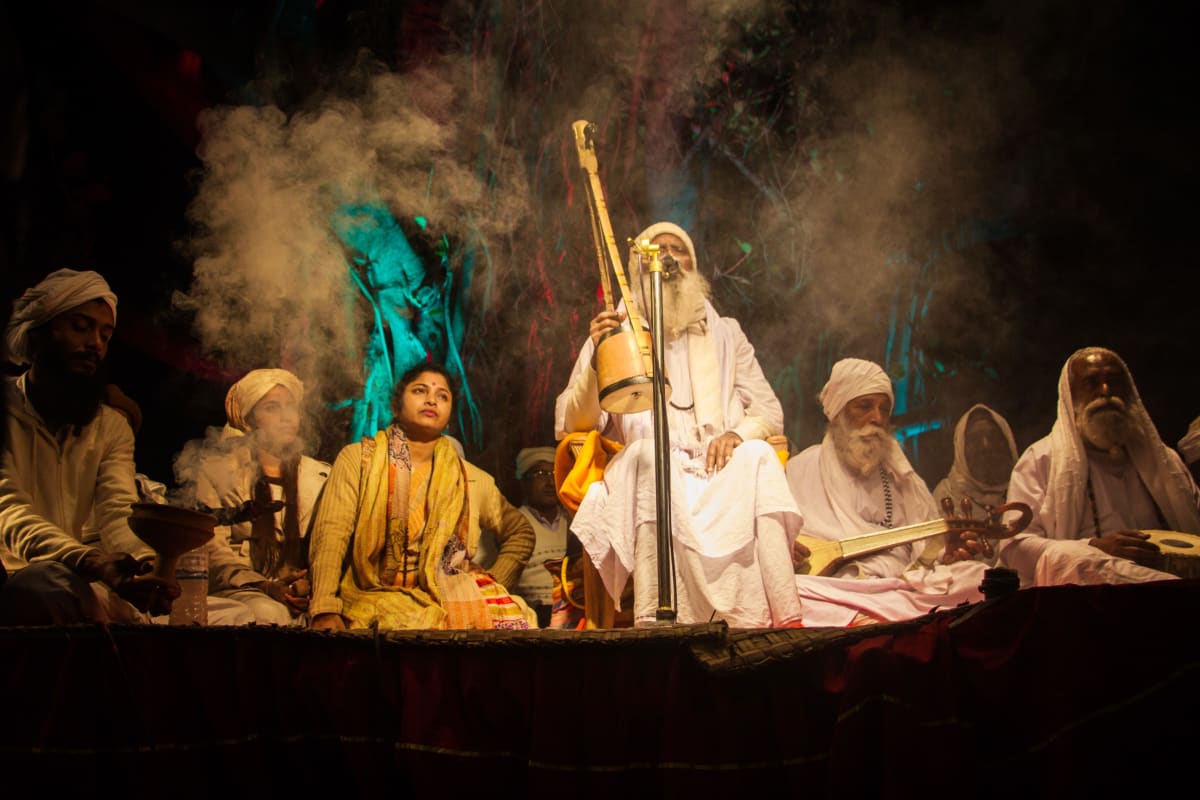
- Qawwali and Bhajan Fusion: In Pakistani towns, qawwali singers perform alongside Hindu bhajan groups, creating a melodic tapestry that blurs religious lines.
- Fire‑Walking and Mela Stalls: Traditional fire‑walking rites are performed by both Hindu and Muslim participants, followed by stalls selling kachori, samosa, and pakoras.
Socio‑Political Significance
The 2026 observance arrives at a time when cross‑border cultural exchanges are fragile. Yet, the shared reverence for Goga Ji offers a soft diplomatic conduit:
- People‑to‑People Contact: Pilgrims from Indian states travel to Pakistani shrines, fostering grassroots dialogue.
- Cultural Preservation: Both governments have listed several Goga shrines as heritage sites, protecting them from urban encroachment.
- Narrative Counter‑Weight: Media coverage emphasizes harmony, providing a counter‑narrative to prevailing sectarian tensions.
Challenges and the Way Forward
- Commercialisation: The growing popularity has led to increased vendor presence, risking the festival’s spiritual core.
- Security Concerns: Large gatherings require coordinated police and community vigilance to prevent communal flare‑ups.
- Documentation: Scholars urge systematic documentation of oral histories to preserve the syncretic lore for future generations.
Conclusion
Goga Navami 2026 stands as a vivid reminder that cultural heritage can transcend borders and faiths. The shared rituals, music, and communal feasting illustrate a living example of Hindu‑Muslim syncretism that continues to thrive in both India and Pakistan. As the chants rise and the dhakis echo across the plains, the festival not only honours a folk saint but also reaffirms a timeless human yearning for unity amidst diversity.
For further reading, explore scholarly works on South Asian folk deities and the role of shared festivals in peacebuilding.
Original Reporting & Source: India Today Top Stories

Discussion (0)
Sign in to join the discussion.
No comments yet. Be the first to start the conversation!