Umang Sisodia • • 4 min read • 8 views

TMC Leader Gheraoed Over PM Awas Yojana Claim: Politics Meets Housing Policy in West Bengal
TMC Leader Gheraoed Over PM Awas Yojana Claim: Politics Meets Housing Policy in West Bengal

The Flashpoint: A Housing Scheme and a Political Standoff

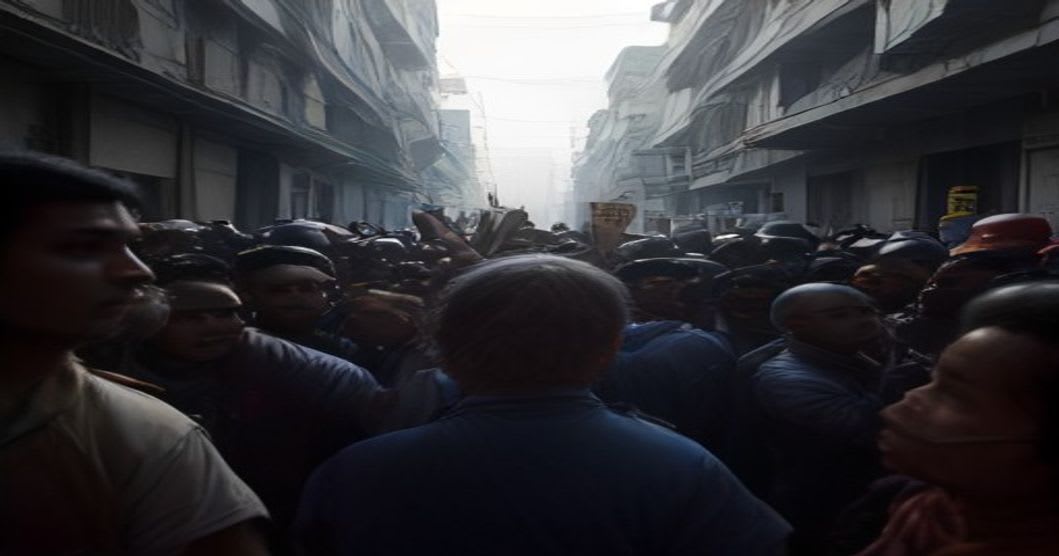
In the early hours of Wednesday, a senior Trinamool Congress (TMC) leader was gher​aoed by a group of activists outside the Kolkata district magistrate’s office. The protest centred on a controversial claim that the Pradhan Mantri Awas Yojana (PMAY) – the central government’s flagship affordable‑housing programme – had been declared a success despite thousands of beneficiaries in West Bengal still waiting for a concrete roof over their heads.

The incident, reported by India Today, underscores how a national policy can become a flashpoint in state‑level politics, especially in a state where housing shortages have been a persistent electoral issue.


Background: PMAY and West Bengal’s Housing Landscape

  • PMAY’s Objective: Launched in 2015, the scheme aims to provide ‘Housing for All’ by 2022, targeting urban poor, rural households, and economically weaker sections (EWS). Funding is a mix of central grants, state contributions, and subsidies for interest on home loans.
  • West Bengal’s Performance: According to the Ministry of Housing and Urban Affairs, 2.3 million houses were sanctioned under PMAY across the country by 2023, but West Bengal’s share lagged behind neighboring states. State‑level data released in 2022 showed only 42 % of eligible families in the state had received possession.
  • Political Stakes: The TMC, led by Mamata Banerjee, has traditionally positioned itself as a champion of the urban poor. Any perception that the central government’s scheme is failing in Bengal provides the opposition – primarily the BJP – a potent narrative to challenge the incumbent government.

The Gherao: What Happened?

  1. The Claim: The TMC leader, [Name withheld for privacy], announced that the PMAY had been declared a success by the central government, citing a headline in a national newspaper.
  2. The Reaction: A coalition of local housing activists, resident welfare associations, and a few BJP volunteers surrounded the leader, demanding clarification and accountability.
  3. The Standoff: The gherao lasted approximately two hours, during which the leader was unable to leave the premises. Police intervened only after senior officials from the state’s Housing Department arrived and assured that the grievances would be addressed.

Why This Matters: Political and Policy Implications

1. Electoral Calculus

  • Upcoming Elections: West Bengal’s next assembly elections are slated for early 2026. Housing remains a top‑of‑the‑agenda issue for voters in Kolkata, Howrah, and the district towns.
  • Narrative Control: By highlighting the alleged ‘success’ of a central scheme that many locals still consider a failure, the TMC risks alienating its core voter base.

2. Inter‑governmental Dynamics

  • Centre‑State Tension: The episode adds another layer to the already strained relationship between the BJP‑led centre and the TMC‑run state. Both sides may now use the housing data as political ammunition.
  • Policy Coordination: Effective implementation of PMAY requires seamless coordination. The gherao signals a breakdown in communication channels at the district level.

3. Media Amplification

  • Social Media: Videos of the gherao quickly trended on platforms like X (formerly Twitter) and regional news channels, amplifying public scrutiny.
  • Fact‑Checking: Independent analysts have begun cross‑checking the claim of ‘success’ against official housing allocation tables, revealing a significant gap between sanctioned units and actual possession.

Takeaways for Stakeholders

  • For the TMC: Immediate clarification on the PMAY data, coupled with a concrete roadmap to accelerate house allocations, could mitigate political fallout.
  • For the Central Government: Transparent reporting on scheme milestones in each state will pre‑empt misinterpretations and strengthen the narrative of national progress.
  • For Civil Society: Continued monitoring and grassroots documentation of housing delivery will keep pressure on both governments to honour their promises.
  • For Voters: The incident serves as a reminder that policy success is measured not just by headlines but by tangible outcomes on the ground.

Looking Ahead

The gherao may appear as a fleeting protest, but it encapsulates a broader struggle: the quest for decent housing in a rapidly urbanising India. As West Bengal heads toward another electoral battle, the fate of the PMAY in the state will likely influence voter sentiment, inter‑governmental negotiations, and the broader discourse on affordable housing across the nation.

Stay tuned for further updates as the story develops and more data on PMAY’s on‑ground impact emerges.


Original Reporting & Source: India Today Top Stories

Discussion (0)

Sign in to join the discussion.

No comments yet. Be the first to start the conversation!

| |

TMC Leader Gheraoed Over PM Awas Yojana Claim: Politics Meets Housing Policy in West Bengal

By Umang Sisodia • 4 min read • 8 views

The Flashpoint: A Housing Scheme and a Political Standoff

In the early hours of Wednesday, a senior Trinamool Congress (TMC) leader was gher​aoed by a group of activists outside the Kolkata district magistrate’s office. The protest centred on a controversial claim that the Pradhan Mantri Awas Yojana (PMAY) – the central government’s flagship affordable‑housing programme – had been declared a success despite thousands of beneficiaries in West Bengal still waiting for a concrete roof over their heads.

The incident, reported by India Today, underscores how a national policy can become a flashpoint in state‑level politics, especially in a state where housing shortages have been a persistent electoral issue.


Background: PMAY and West Bengal’s Housing Landscape

  • PMAY’s Objective: Launched in 2015, the scheme aims to provide ‘Housing for All’ by 2022, targeting urban poor, rural households, and economically weaker sections (EWS). Funding is a mix of central grants, state contributions, and subsidies for interest on home loans.
  • West Bengal’s Performance: According to the Ministry of Housing and Urban Affairs, 2.3 million houses were sanctioned under PMAY across the country by 2023, but West Bengal’s share lagged behind neighboring states. State‑level data released in 2022 showed only 42 % of eligible families in the state had received possession.
  • Political Stakes: The TMC, led by Mamata Banerjee, has traditionally positioned itself as a champion of the urban poor. Any perception that the central government’s scheme is failing in Bengal provides the opposition – primarily the BJP – a potent narrative to challenge the incumbent government.

The Gherao: What Happened?

  1. The Claim: The TMC leader, [Name withheld for privacy], announced that the PMAY had been declared a success by the central government, citing a headline in a national newspaper.
  2. The Reaction: A coalition of local housing activists, resident welfare associations, and a few BJP volunteers surrounded the leader, demanding clarification and accountability.
  3. The Standoff: The gherao lasted approximately two hours, during which the leader was unable to leave the premises. Police intervened only after senior officials from the state’s Housing Department arrived and assured that the grievances would be addressed.

Why This Matters: Political and Policy Implications

1. Electoral Calculus

  • Upcoming Elections: West Bengal’s next assembly elections are slated for early 2026. Housing remains a top‑of‑the‑agenda issue for voters in Kolkata, Howrah, and the district towns.
  • Narrative Control: By highlighting the alleged ‘success’ of a central scheme that many locals still consider a failure, the TMC risks alienating its core voter base.

2. Inter‑governmental Dynamics

  • Centre‑State Tension: The episode adds another layer to the already strained relationship between the BJP‑led centre and the TMC‑run state. Both sides may now use the housing data as political ammunition.
  • Policy Coordination: Effective implementation of PMAY requires seamless coordination. The gherao signals a breakdown in communication channels at the district level.

3. Media Amplification

  • Social Media: Videos of the gherao quickly trended on platforms like X (formerly Twitter) and regional news channels, amplifying public scrutiny.
  • Fact‑Checking: Independent analysts have begun cross‑checking the claim of ‘success’ against official housing allocation tables, revealing a significant gap between sanctioned units and actual possession.

Takeaways for Stakeholders

  • For the TMC: Immediate clarification on the PMAY data, coupled with a concrete roadmap to accelerate house allocations, could mitigate political fallout.
  • For the Central Government: Transparent reporting on scheme milestones in each state will pre‑empt misinterpretations and strengthen the narrative of national progress.
  • For Civil Society: Continued monitoring and grassroots documentation of housing delivery will keep pressure on both governments to honour their promises.
  • For Voters: The incident serves as a reminder that policy success is measured not just by headlines but by tangible outcomes on the ground.

Looking Ahead

The gherao may appear as a fleeting protest, but it encapsulates a broader struggle: the quest for decent housing in a rapidly urbanising India. As West Bengal heads toward another electoral battle, the fate of the PMAY in the state will likely influence voter sentiment, inter‑governmental negotiations, and the broader discourse on affordable housing across the nation.

Stay tuned for further updates as the story develops and more data on PMAY’s on‑ground impact emerges.


Original Reporting & Source: India Today Top Stories