Umang Sisodia • • 3 min read • 5 views

Robust GDP & GST Gains Yet Markets Falter: Unpacking India’s Four Hidden Triggers
Robust GDP & GST Gains Yet Markets Falter: Unpacking India’s Four Hidden Triggers

Overview

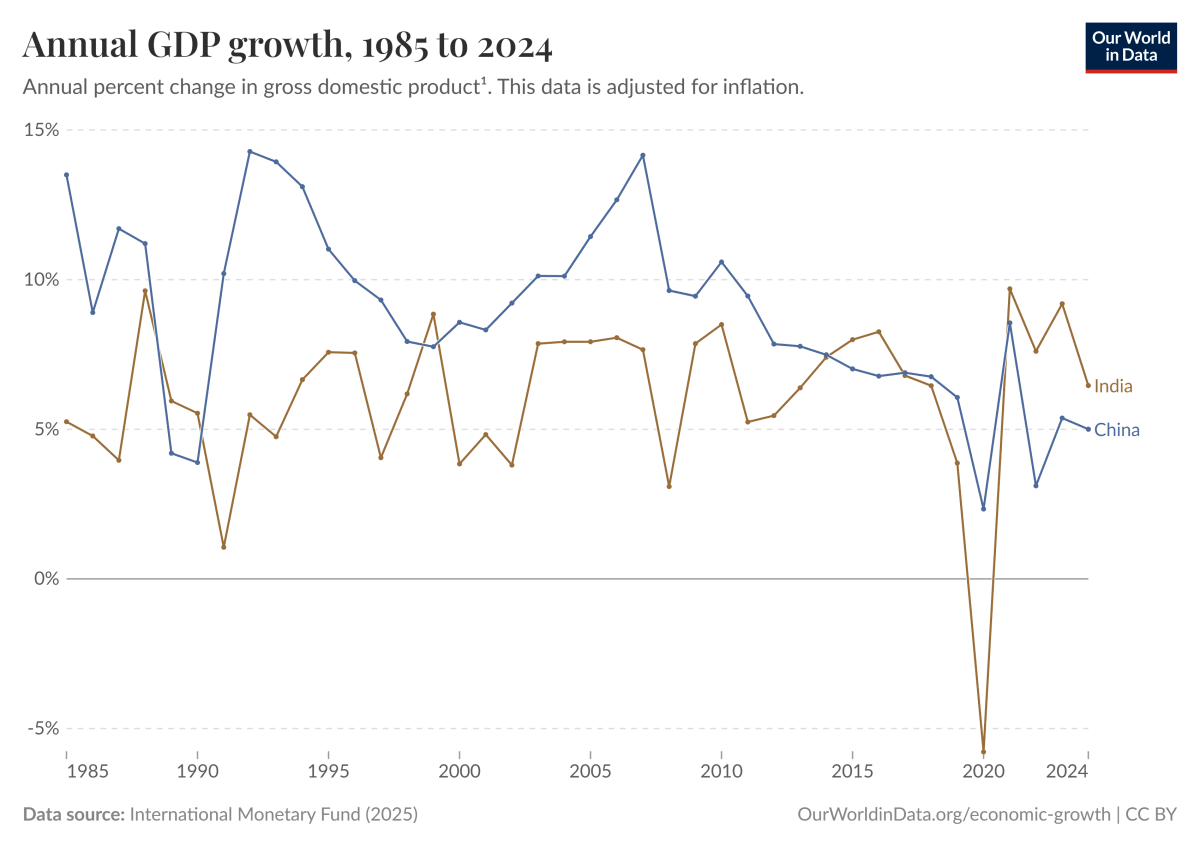
India’s macro‑economic data this quarter has been nothing short of impressive. Real GDP growth accelerated to 7.8% YoY, while the Goods and Services Tax (GST) collection crossed the ₹2.1 trillion mark, a record high. Yet, the equity market has been on a downward drift, with the Sensex hovering around 60,000 – a stark contrast to the upbeat fiscal numbers. Why the disconnect?


Why GDP & GST Shine

  • GDP Momentum: Strong consumption, a rebound in manufacturing, and a resilient services sector propelled growth. The International Monetary Fund upgraded India’s outlook, citing structural reforms and a youthful workforce.
  • GST Surge: Improved compliance, digitisation of returns, and the rollout of the e‑Way Bill system widened the tax base. The Treasury reported a 15% YoY rise in GST receipts, bolstering fiscal buffers.

These indicators suggest a robust economic foundation, but markets are reacting to deeper, often overlooked forces.


Market’s Dark Side: Four Underlying Reasons

1. Global Rate Hikes

The US Federal Reserve and European Central Bank have continued tightening cycles, pushing global risk‑free rates higher. For Indian investors, the carry trade advantage narrows, prompting capital outflows to safer, higher‑yielding assets abroad.

2. Valuation Gap

Despite strong fundamentals, Indian equities trade at a price‑to‑earnings (P/E) multiple of 24x, well above the historical average of 18x. The market appears to have priced in an overly optimistic growth trajectory, leaving little room for error.

3. Policy Uncertainty

Key reforms—such as the labour code and land acquisition amendments—remain in legislative limbo. Investors fear that delays could stall the private‑sector investment pipeline, especially in infrastructure and renewable energy.

4. Domestic Liquidity Squeeze

The RBI’s repo rate has been held steady at 6.5%, but the central bank’s open market operations have tightened to curb inflation. Consequently, corporate bond yields have risen, raising financing costs for companies and dampening earnings outlooks.


Bullet‑Point Summary of the Four Triggers

  • Global monetary tightening reduces foreign inflows.
  • Indian equities are over‑valued relative to earnings.
  • Pending policy reforms create a cloud of uncertainty.
  • Tightening domestic liquidity raises corporate funding costs.

Takeaways for Investors

  1. Diversify Globally – Allocate a portion of the portfolio to stable foreign assets to hedge against global rate hikes.
  2. Focus on Quality – Prioritise companies with strong balance sheets and low debt, which can weather higher financing costs.
  3. Watch Policy Milestones – Track the progress of labour and land reforms; successful passage could reignite market optimism.
  4. Monitor Liquidity Indicators – Keep an eye on RBI’s repo operations and corporate bond spreads for early signs of credit stress.

The macro‑economic story is undeniably positive, but the equity market is signalling caution. Understanding the four hidden triggers can help investors navigate the paradox of a booming economy and a weary stock market.


Prepared by the senior editorial team, drawing on latest government releases, RBI data, and market analytics.


Original Reporting & Source: India Today Top Stories

Discussion (0)

Sign in to join the discussion.

No comments yet. Be the first to start the conversation!

| |

Robust GDP & GST Gains Yet Markets Falter: Unpacking India’s Four Hidden Triggers

By Umang Sisodia • 3 min read • 5 views

Overview

India’s macro‑economic data this quarter has been nothing short of impressive. Real GDP growth accelerated to 7.8% YoY, while the Goods and Services Tax (GST) collection crossed the ₹2.1 trillion mark, a record high. Yet, the equity market has been on a downward drift, with the Sensex hovering around 60,000 – a stark contrast to the upbeat fiscal numbers. Why the disconnect?


Why GDP & GST Shine

  • GDP Momentum: Strong consumption, a rebound in manufacturing, and a resilient services sector propelled growth. The International Monetary Fund upgraded India’s outlook, citing structural reforms and a youthful workforce.
  • GST Surge: Improved compliance, digitisation of returns, and the rollout of the e‑Way Bill system widened the tax base. The Treasury reported a 15% YoY rise in GST receipts, bolstering fiscal buffers.

These indicators suggest a robust economic foundation, but markets are reacting to deeper, often overlooked forces.


Market’s Dark Side: Four Underlying Reasons

1. Global Rate Hikes

The US Federal Reserve and European Central Bank have continued tightening cycles, pushing global risk‑free rates higher. For Indian investors, the carry trade advantage narrows, prompting capital outflows to safer, higher‑yielding assets abroad.

2. Valuation Gap

Despite strong fundamentals, Indian equities trade at a price‑to‑earnings (P/E) multiple of 24x, well above the historical average of 18x. The market appears to have priced in an overly optimistic growth trajectory, leaving little room for error.

3. Policy Uncertainty

Key reforms—such as the labour code and land acquisition amendments—remain in legislative limbo. Investors fear that delays could stall the private‑sector investment pipeline, especially in infrastructure and renewable energy.

4. Domestic Liquidity Squeeze

The RBI’s repo rate has been held steady at 6.5%, but the central bank’s open market operations have tightened to curb inflation. Consequently, corporate bond yields have risen, raising financing costs for companies and dampening earnings outlooks.


Bullet‑Point Summary of the Four Triggers

  • Global monetary tightening reduces foreign inflows.
  • Indian equities are over‑valued relative to earnings.
  • Pending policy reforms create a cloud of uncertainty.
  • Tightening domestic liquidity raises corporate funding costs.

Takeaways for Investors

  1. Diversify Globally – Allocate a portion of the portfolio to stable foreign assets to hedge against global rate hikes.
  2. Focus on Quality – Prioritise companies with strong balance sheets and low debt, which can weather higher financing costs.
  3. Watch Policy Milestones – Track the progress of labour and land reforms; successful passage could reignite market optimism.
  4. Monitor Liquidity Indicators – Keep an eye on RBI’s repo operations and corporate bond spreads for early signs of credit stress.

The macro‑economic story is undeniably positive, but the equity market is signalling caution. Understanding the four hidden triggers can help investors navigate the paradox of a booming economy and a weary stock market.


Prepared by the senior editorial team, drawing on latest government releases, RBI data, and market analytics.


Original Reporting & Source: India Today Top Stories