Umang Sisodia • • 3 min read • 10 views

Volkswagen eyes deeper India foothold through JSW Steel partnership
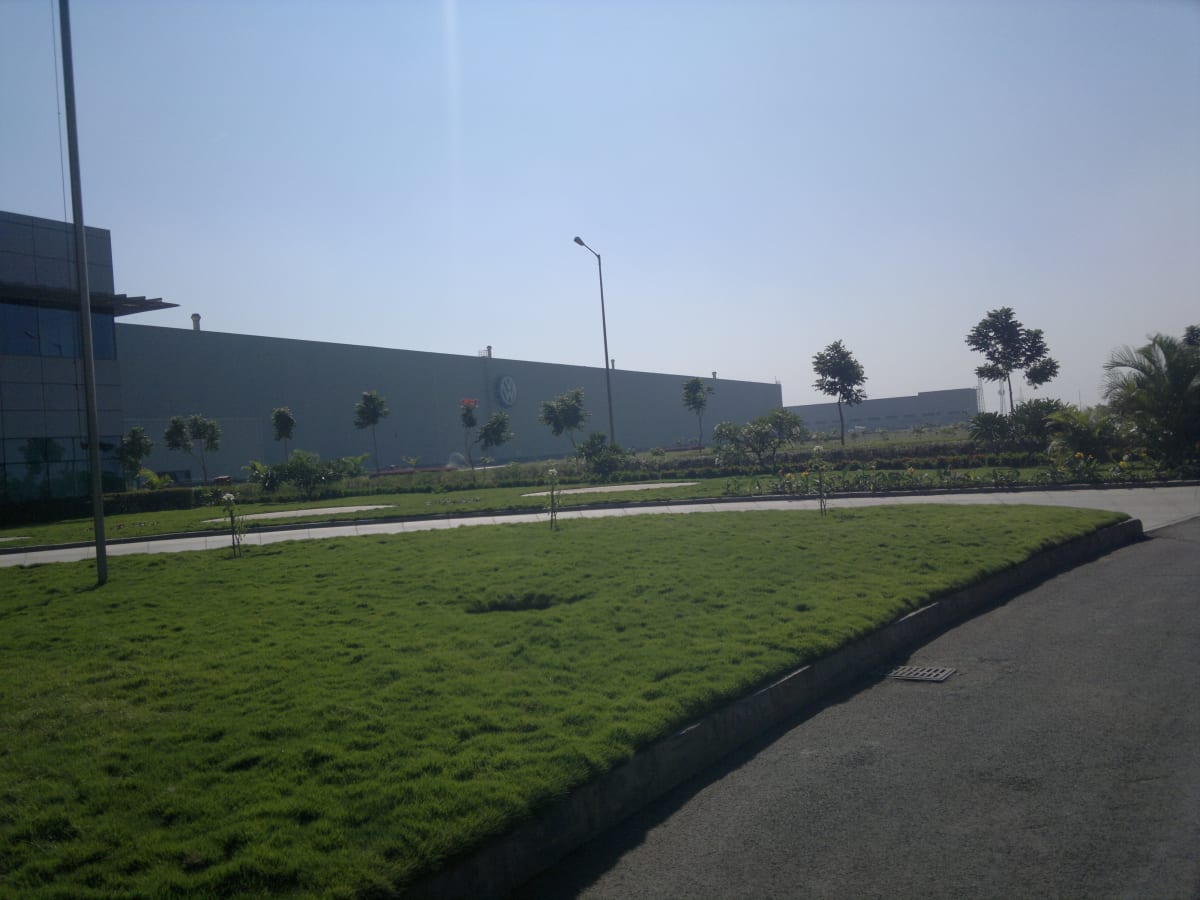
Volkswagen eyes deeper India foothold through JSW Steel partnership

Introduction

Volkswagen (VW) is accelerating its India ambitions by exploring a strategic partnership with JSW Steel, one of the country’s leading steel manufacturers. The move reflects VW’s desire to secure a reliable supply chain, cut costs, and tap into India’s fast‑growing automotive market, especially as the world pivots toward electric vehicles (EVs).

Why India Matters to Volkswagen

  • Market potential: India is projected to become the world’s third‑largest car market by 2027, driven by a burgeoning middle class and rising urbanisation.
  • Localisation push: The Indian government’s Make in India policy incentivises foreign OEMs to manufacture locally, offering tax breaks and easing import duties.
  • EV roadmap: VW has announced a €2 billion investment in India to launch electric models by 2027, requiring robust, domestically sourced components.

JSW Steel: A Strategic Fit

JSW Steel brings to the table:

  • High‑grade steel: Advanced high‑strength steel (AHSS) that can reduce vehicle weight while maintaining safety standards—crucial for EV efficiency.
  • Scale and reliability: With an annual capacity exceeding 20 million tonnes, JSJ can meet VW’s volume needs and mitigate supply‑chain disruptions.
  • Sustainability credentials: JSW’s focus on green steel aligns with VW’s carbon‑neutral goals, offering low‑emission raw material options.

Potential Collaboration Models

  1. Joint venture (JV) for steel supply – A dedicated JV could lock in long‑term steel contracts at preferential rates, shielding VW from price volatility.
  2. Co‑development of lightweight platforms – Engineers from both firms could design vehicle chassis that leverage JSW’s ultra‑high‑strength steel, enhancing fuel efficiency and EV range.
  3. Shared R&D centres – Establishing a centre of excellence in Pune or Chennai could foster innovation in material science, battery integration, and manufacturing automation.

Risks and Challenges

  • Regulatory hurdles: Foreign investment caps and antitrust reviews could delay partnership formalisation.
  • Pricing dynamics: Global steel price swings may affect cost‑benefit calculations, especially if raw material costs rise faster than projected savings.
  • Cultural integration: Aligning German engineering precision with Indian manufacturing practices will require careful change‑management.

Outlook: A Win‑Win for Both Giants?

If the partnership materialises, VW could secure a competitive edge through cost‑effective, locally sourced steel, accelerating its EV rollout and enhancing profitability. For JSW, the tie‑up offers a gateway to the global automotive supply chain, boosting its premium steel segment and reinforcing its sustainability narrative.

Key Takeaways

  • Strategic alignment: Both firms share a vision of sustainable, high‑performance mobility.
  • Economic impact: The collaboration could generate thousands of jobs and spur ancillary industries.
  • Future‑proofing: Joint investment in lightweight, green steel positions both companies ahead of the global shift to electric mobility.

Conclusion

Volkswagen’s exploration of a partnership with JSW Steel underscores a broader trend: global automakers are seeking deep, localized alliances to navigate the complexities of emerging markets and the EV transition. The success of this venture will hinge on regulatory clearance, price stability, and the ability to meld two distinct corporate cultures into a unified, forward‑looking enterprise.


Original Reporting & Source: India Today Top Stories

Discussion (0)

Sign in to join the discussion.

No comments yet. Be the first to start the conversation!

| |

Volkswagen eyes deeper India foothold through JSW Steel partnership

By Umang Sisodia • 3 min read • 10 views

Introduction

Volkswagen (VW) is accelerating its India ambitions by exploring a strategic partnership with JSW Steel, one of the country’s leading steel manufacturers. The move reflects VW’s desire to secure a reliable supply chain, cut costs, and tap into India’s fast‑growing automotive market, especially as the world pivots toward electric vehicles (EVs).

Why India Matters to Volkswagen

  • Market potential: India is projected to become the world’s third‑largest car market by 2027, driven by a burgeoning middle class and rising urbanisation.
  • Localisation push: The Indian government’s Make in India policy incentivises foreign OEMs to manufacture locally, offering tax breaks and easing import duties.
  • EV roadmap: VW has announced a €2 billion investment in India to launch electric models by 2027, requiring robust, domestically sourced components.

JSW Steel: A Strategic Fit

JSW Steel brings to the table:

  • High‑grade steel: Advanced high‑strength steel (AHSS) that can reduce vehicle weight while maintaining safety standards—crucial for EV efficiency.
  • Scale and reliability: With an annual capacity exceeding 20 million tonnes, JSJ can meet VW’s volume needs and mitigate supply‑chain disruptions.
  • Sustainability credentials: JSW’s focus on green steel aligns with VW’s carbon‑neutral goals, offering low‑emission raw material options.

Potential Collaboration Models

  1. Joint venture (JV) for steel supply – A dedicated JV could lock in long‑term steel contracts at preferential rates, shielding VW from price volatility.
  2. Co‑development of lightweight platforms – Engineers from both firms could design vehicle chassis that leverage JSW’s ultra‑high‑strength steel, enhancing fuel efficiency and EV range.
  3. Shared R&D centres – Establishing a centre of excellence in Pune or Chennai could foster innovation in material science, battery integration, and manufacturing automation.

Risks and Challenges

  • Regulatory hurdles: Foreign investment caps and antitrust reviews could delay partnership formalisation.
  • Pricing dynamics: Global steel price swings may affect cost‑benefit calculations, especially if raw material costs rise faster than projected savings.
  • Cultural integration: Aligning German engineering precision with Indian manufacturing practices will require careful change‑management.

Outlook: A Win‑Win for Both Giants?

If the partnership materialises, VW could secure a competitive edge through cost‑effective, locally sourced steel, accelerating its EV rollout and enhancing profitability. For JSW, the tie‑up offers a gateway to the global automotive supply chain, boosting its premium steel segment and reinforcing its sustainability narrative.

Key Takeaways

  • Strategic alignment: Both firms share a vision of sustainable, high‑performance mobility.
  • Economic impact: The collaboration could generate thousands of jobs and spur ancillary industries.
  • Future‑proofing: Joint investment in lightweight, green steel positions both companies ahead of the global shift to electric mobility.

Conclusion

Volkswagen’s exploration of a partnership with JSW Steel underscores a broader trend: global automakers are seeking deep, localized alliances to navigate the complexities of emerging markets and the EV transition. The success of this venture will hinge on regulatory clearance, price stability, and the ability to meld two distinct corporate cultures into a unified, forward‑looking enterprise.


Original Reporting & Source: India Today Top Stories