Umang Sisodia • • 4 min read • 19 views

Mayawata Warns Nephew Akash Anand: A Power Play Within BSP
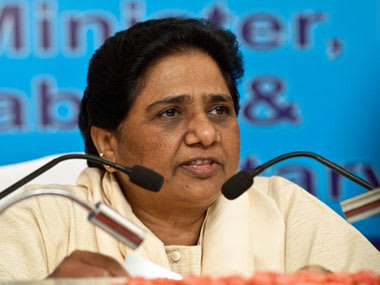
Mayawata Warns Nephew Akash Anand: A Power Play Within BSP

The Warning That Shook Uttar Pradesh Politics

Bharatiya Samaj Party (BSP) chief Mayawati recently issued a stark warning to her nephew Akash Anand, laying down a single condition for his political comeback: he must earn his place through party ranks, not by familial privilege. The statement, made during a press briefing in Lucknow, has ignited a fresh debate on dynastic politics, internal party discipline, and the future trajectory of the BSP ahead of the 2024 Uttar Pradesh assembly elections.


Why This Matters

  • A test of Mayawati’s leadership – After decades of steering the BSP from the margins to power, Mayawati’s decision signals a shift from personal patronage to merit‑based politics.
  • Signal to the party cadre – The warning reassures long‑time BSP workers that loyalty and performance will be rewarded over blood ties.
  • Electoral calculus – With the BJP consolidating its base and the Samajwadi Party (SP) courting Dalit voters, the BSP needs a clear, disciplined image to stay relevant.

The Backdrop: BSP’s Evolution

Founded in 1984 by Kanshi Ram, the BSP emerged as a champion of Dalit empowerment, positioning itself as the voice of the marginalized. Mayawati, who took the reins in 2003, transformed the party into a formidable force, delivering two stints as Uttar Pradesh’s chief minister (2007‑2012). However, internal dissent and accusations of nepotism have periodically marred its image.

“The party’s soul lies in its grassroots, not in the corridors of power,” Mayawati asserted, emphasizing that any return for Akash Anand must be earned.


Who Is Akash Anand?

Akash Anand, a former student leader turned political aspirant, entered the limelight when he was appointed as the BSP’s state spokesperson in 2022—a move critics labeled as nepotistic. His low profile, limited legislative experience, and perceived reliance on Mayawati’s patronage made him a lightning rod for intra‑party criticism.

The Condition Set

Mayawati’s condition is simple yet profound: Akash must contest and win a local body election (e.g., a municipal council seat) before being considered for any higher role within the BSP. This demand serves multiple purposes:

  1. Legitimacy – Demonstrates that he can garner votes on his own merit.
  2. Grassroots connection – Forces him to engage directly with voters, aligning with BSP’s core philosophy.
  3. Deterrent – Sends a clear message to other aspirants that lineage alone will not guarantee advancement.

Reactions Across the Spectrum

  • BSP cadres: Many welcomed the move, viewing it as a long‑awaited crackdown on favoritism. Veteran leader Satish Kumar remarked, “Mayawati is protecting the party’s ethos; this is a wake‑up call for all.”
  • Opposition parties: The SP and BJP seized the moment, portraying the BSP as internally conflicted. SP’s Akhilesh Yadav tweeted, “A party that cannot manage its own family is unfit to govern the state.”
  • Political analysts: Experts suggest that Mayawati’s stance could rejuvenate the BSP’s image, especially among young Dalit voters who are increasingly skeptical of dynastic politics.

What Lies Ahead?

The upcoming municipal elections in Lucknow and Kanpur will serve as the litmus test for Akash Anand’s political viability. A win could pave the way for a broader resurgence, while a defeat would likely cement his marginalization within the party.

Key takeaways:

  • Mayawati is reasserting control, emphasizing merit over blood ties.
  • The BSP aims to revitalize its grassroots credibility ahead of a high‑stakes state election.
  • Akash Anand’s political future hinges on a single local contest, reflecting a broader shift toward performance‑based politics in Indian regional parties.

As Uttar Pradesh braces for a fiercely contested electoral battle, the Mayawati‑Anand saga underscores a pivotal moment where tradition confronts transformation within one of India’s most iconic caste‑based parties.


Original Reporting & Source: ABP Live Top News

Discussion (0)

Sign in to join the discussion.

No comments yet. Be the first to start the conversation!

| |

Mayawata Warns Nephew Akash Anand: A Power Play Within BSP

By Umang Sisodia • 4 min read • 19 views

The Warning That Shook Uttar Pradesh Politics

Bharatiya Samaj Party (BSP) chief Mayawati recently issued a stark warning to her nephew Akash Anand, laying down a single condition for his political comeback: he must earn his place through party ranks, not by familial privilege. The statement, made during a press briefing in Lucknow, has ignited a fresh debate on dynastic politics, internal party discipline, and the future trajectory of the BSP ahead of the 2024 Uttar Pradesh assembly elections.


Why This Matters

  • A test of Mayawati’s leadership – After decades of steering the BSP from the margins to power, Mayawati’s decision signals a shift from personal patronage to merit‑based politics.
  • Signal to the party cadre – The warning reassures long‑time BSP workers that loyalty and performance will be rewarded over blood ties.
  • Electoral calculus – With the BJP consolidating its base and the Samajwadi Party (SP) courting Dalit voters, the BSP needs a clear, disciplined image to stay relevant.

The Backdrop: BSP’s Evolution

Founded in 1984 by Kanshi Ram, the BSP emerged as a champion of Dalit empowerment, positioning itself as the voice of the marginalized. Mayawati, who took the reins in 2003, transformed the party into a formidable force, delivering two stints as Uttar Pradesh’s chief minister (2007‑2012). However, internal dissent and accusations of nepotism have periodically marred its image.

“The party’s soul lies in its grassroots, not in the corridors of power,” Mayawati asserted, emphasizing that any return for Akash Anand must be earned.


Who Is Akash Anand?

Akash Anand, a former student leader turned political aspirant, entered the limelight when he was appointed as the BSP’s state spokesperson in 2022—a move critics labeled as nepotistic. His low profile, limited legislative experience, and perceived reliance on Mayawati’s patronage made him a lightning rod for intra‑party criticism.

The Condition Set

Mayawati’s condition is simple yet profound: Akash must contest and win a local body election (e.g., a municipal council seat) before being considered for any higher role within the BSP. This demand serves multiple purposes:

  1. Legitimacy – Demonstrates that he can garner votes on his own merit.
  2. Grassroots connection – Forces him to engage directly with voters, aligning with BSP’s core philosophy.
  3. Deterrent – Sends a clear message to other aspirants that lineage alone will not guarantee advancement.

Reactions Across the Spectrum

  • BSP cadres: Many welcomed the move, viewing it as a long‑awaited crackdown on favoritism. Veteran leader Satish Kumar remarked, “Mayawati is protecting the party’s ethos; this is a wake‑up call for all.”
  • Opposition parties: The SP and BJP seized the moment, portraying the BSP as internally conflicted. SP’s Akhilesh Yadav tweeted, “A party that cannot manage its own family is unfit to govern the state.”
  • Political analysts: Experts suggest that Mayawati’s stance could rejuvenate the BSP’s image, especially among young Dalit voters who are increasingly skeptical of dynastic politics.

What Lies Ahead?

The upcoming municipal elections in Lucknow and Kanpur will serve as the litmus test for Akash Anand’s political viability. A win could pave the way for a broader resurgence, while a defeat would likely cement his marginalization within the party.

Key takeaways:

  • Mayawati is reasserting control, emphasizing merit over blood ties.
  • The BSP aims to revitalize its grassroots credibility ahead of a high‑stakes state election.
  • Akash Anand’s political future hinges on a single local contest, reflecting a broader shift toward performance‑based politics in Indian regional parties.

As Uttar Pradesh braces for a fiercely contested electoral battle, the Mayawati‑Anand saga underscores a pivotal moment where tradition confronts transformation within one of India’s most iconic caste‑based parties.


Original Reporting & Source: ABP Live Top News