Umang Sisodia • • 4 min read • 8 views
Karonda-Mirch Achar: A Tangy Fennel‑Infused Pickle to Elevate Your Roti
Introduction
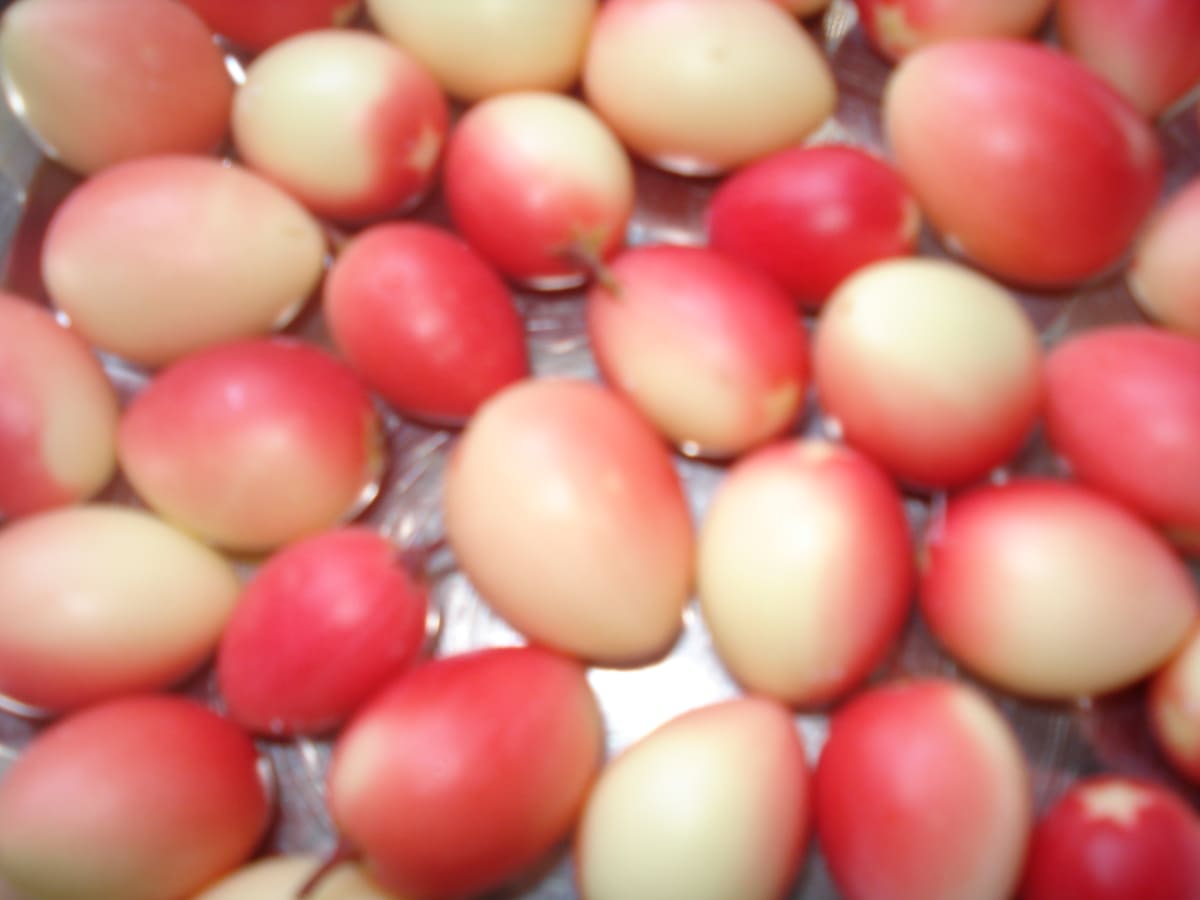
India’s culinary tapestry is woven with countless regional pickles, each a burst of flavor that tells a story of climate, culture, and ingenuity. Among the lesser‑known yet profoundly aromatic varieties is Karonda‑Mirch Achar – a fiery, tangy pickle that swaps the usual mango or lemon base for the crisp, slightly sour karonda berries (Carissa carandas). The addition of sauf (fennel seeds) softens the heat, delivering a balanced zing that pairs beautifully with roti, paratha, or even a simple dal‑rice combo.
Why Karonda?
- Seasonal abundance – Karonda thrives in the semi‑arid zones of North‑India, especially during the monsoon months, making it a perfect candidate for preservation.
- Nutritional punch – Rich in vitamin C, iron, and antioxidants, the berries add a health boost to the pickle.
- Unique flavor profile – A subtle tartness that is less sharp than raw mango, allowing the spices to shine.
Ingredients (Serves 4–5)
- 500 g fresh karonda berries, washed and patted dry
- 150 g green chilies, slit lengthwise (adjust to heat preference)
- 2 tbsp sauf (fennel seeds)
- 1 tbsp mustard seeds
- 1 tbsp fenugreek seeds (methi)
- 1 tbsp turmeric powder
- 2 tbsp red chili powder (or Kashmiri chilies for colour)
- 2 tbsp jaggery, grated (optional, for a hint of sweetness)
- 100 ml mustard oil (or any strong Indian oil)
- Salt to taste
Step‑by‑Step Method
- Prep the fruit – Trim the stems of the karonda and make a small slit on each berry to allow the spices to penetrate.
- Dry roast the seeds – In a heavy‑bottomed pan, lightly roast fennel, mustard, and fenugreek seeds until fragrant. Cool and coarsely crush.
- Spice blend – Mix turmeric, red chili powder, and jaggery in a bowl.
- Layering – In a clean, dry glass jar, start with a layer of karonda berries, followed by chilies, then a sprinkling of the roasted seed mixture and the dry spice blend. Repeat until the jar is full.
- Oil infusion – Heat mustard oil until it just begins to smoke; let it cool slightly and pour over the packed jar, ensuring the oil covers the topmost layer.
- Seal & mature – Close the jar tightly and store in a sunny spot for 3‑4 days, shaking gently once a day. The heat will help the flavors meld and the oil to permeate the fruit.
- Refrigerate – After the initial maturation, move the jar to the refrigerator. The pickle improves with age and can last up to 6 months.
Health Benefits
- Digestive aid – Fennel seeds are known for relieving bloating and gas.
- Immunity boost – Vitamin C from karonda fights free radicals.
- Metabolism support – Capsaicin in chilies can aid calorie burning.
Serving & Storage Tips
- Serve a teaspoonful alongside hot rotis, parathas, or even a simple dal‑tadka.
- The oil acts as a natural preservative; always use a clean, dry spoon to avoid contamination.
- For a sweeter twist, increase jaggery or add a few raisins during layering.
Cultural Roots
Karonda pickles are a staple in the households of Haryana, Punjab, and parts of Rajasthan. Historically, families would prepare large batches during the monsoon, sealing them for the harsh winters. The inclusion of fennel (sauf) reflects a Persian influence that migrated with traders, blending aromatic warmth with local heat.
Takeaways
- Experiment – Swap fennel for nigella seeds (kalonji) for an earthy note.
- Batch size – Small jars mature faster; larger containers need longer sun exposure.
- Pairing – The pickle’s tang pairs surprisingly well with grilled paneer or a simple cucumber raita.
Embrace the tangy, aromatic charm of Karonda‑Mirch Achar and let it become the unsung hero of your everyday Indian meals.
Original Reporting & Source: India Today Top Stories

Discussion (0)
Sign in to join the discussion.
No comments yet. Be the first to start the conversation!