Umang Sisodia • • 3 min read • 10 views
Bihar Flood Survivors Fear Nighttime Snakes as Aid Lags Behind
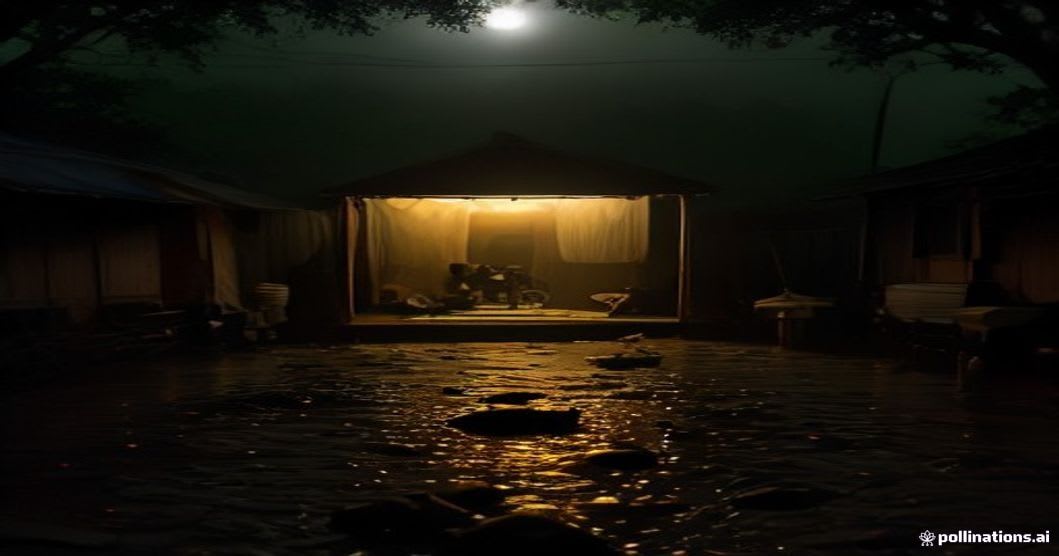
The Unseen Threat After the Waters Recede
When the monsoon swelled the Ganges and its tributaries in late summer 2024, the state of Bihar was inundated with more than 12 million people displaced. While headlines focused on the sheer volume of water and the immediate rescue operations, a quieter, more terrifying reality emerged once the floodwaters began to recede: nighttime encounters with snakes in makeshift shelters.
A Nightmare in the Camps
- Fear in the dark: Families huddled on tarpaulin roofs report hearing the soft rustle of snakes sliding across wet mats. The fear is palpable; many refuse to sleep, clutching lanterns and children close.
- Health risks: Apart from the psychological trauma, bites from venomous snakes such as the common krait or the Indian cobra can be fatal, especially when medical facilities are already overstretched.
- Lack of government response: Despite promises of rapid relief, many camps have yet to receive basic anti‑venom stocks, proper lighting, or pest‑control measures.
Why Snakes Are Becoming a Post‑Flood Menace
- Habitat displacement: Floods force snakes out of their natural burrows and into human‑occupied spaces.
- Standing water: Warm, stagnant pools become hunting grounds, attracting rodents that, in turn, draw snakes.
- Insufficient shelter design: Emergency shelters often lack raised flooring, allowing water—and snakes—to seep in.
The Government’s Aid Gap
| Issue | Expected Action | Current Reality |
|---|---|---|
| Medical kits | Distribution of anti‑venom and first‑aid kits within 48 hours | Only 30 % of camps report receiving any kits |
| Lighting | Solar lanterns for night safety | Many camps rely on dim kerosene lamps |
| Pest control | Regular fumigation and rodent control | No systematic program in place |
The State Disaster Management Authority (SDMA) has announced a ₹1,200 crore relief package, yet ground reports suggest bureaucratic delays and uneven distribution. Local NGOs like Prayas and Sambhav are stepping in, but their reach is limited.
Voices from the Ground
"We hear the snakes before we see them. It feels like the water never left; it just turned into a different kind of danger," says Rohit Singh, a 34‑year‑old farmer from the Begusarai district.
"The government promised medicines, but we are still waiting for a single vial of anti‑venom," adds Suman Devi, a mother of three who lost her home to the flood.
What Needs to Happen
- Immediate distribution of anti‑venom to all flood‑affected blocks.
- Installation of raised, insulated shelters to keep water and snakes out.
- Community awareness drives on snake identification and first‑aid measures.
- Transparent monitoring of aid disbursement using digital dashboards accessible to the public.
The Bigger Picture: Climate Change and Recurrent Flooding
Bihar sits in the Ganga‑Brahmaputra floodplain, a region projected to experience more frequent and intense monsoon events due to climate change. Without resilient infrastructure and proactive disaster planning, secondary hazards—like the snake menace—will become a recurring nightmare for vulnerable populations.
The plight of Bihar’s flood victims underscores a critical lesson: disaster response must look beyond the obvious water damage and anticipate the cascade of secondary threats that follow. Only then can we turn temporary relief into lasting resilience.
Original Reporting & Source: The Quint

Discussion (0)
Sign in to join the discussion.
No comments yet. Be the first to start the conversation!