Umang Sisodia • • 3 min read • 5 views
Why Modi‑Jinping’s Handshake at BRICS 2026 Matters: Trade Deficits, Rare Deals & Shifting Power
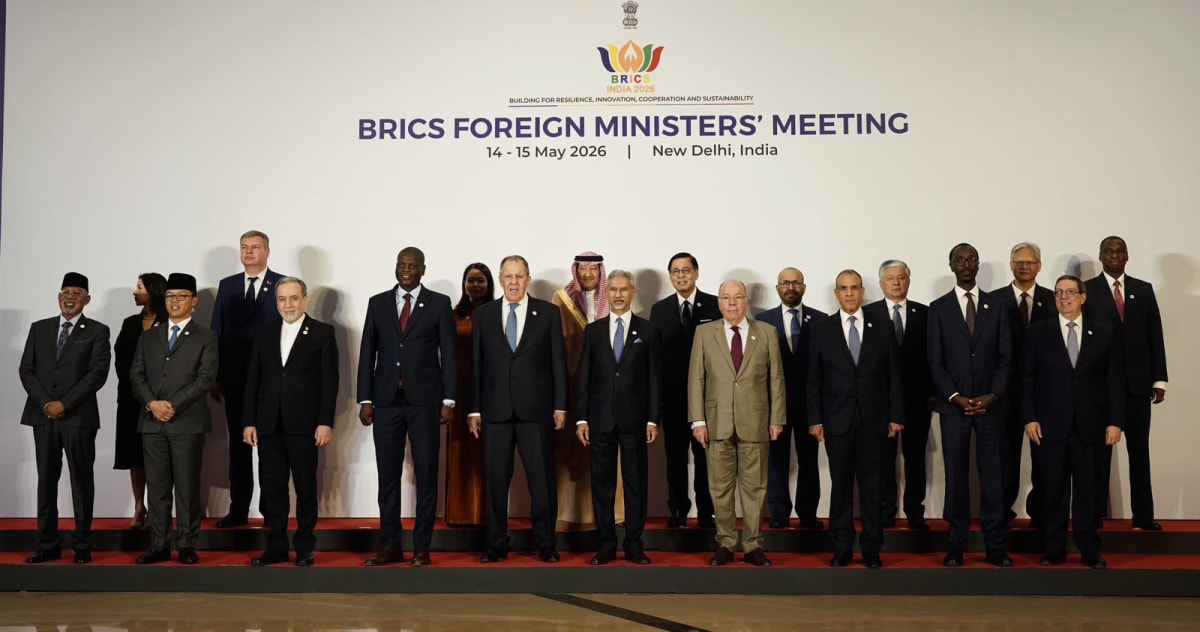
The Geopolitical Backdrop
The 2026 BRICS summit, convened in Johannesburg, arrived at a moment of heightened economic stress for the bloc. Global growth is slowing, commodity prices are volatile, and member economies are wrestling with widening trade deficits. Yet the summit’s headline‑grabbing moment was the long‑awaited face‑to‑face between Indian Prime Minister Narendra Modi and Chinese President Xi Jinping – a meeting that has been absent since the early 2020s.
Economic Headwinds Across BRICS
- Rare‑earth squeeze – China’s dominance in rare‑earth minerals is tightening supply chains for India, Brazil and South Africa.
- Trade deficit pressure – India’s current‑account gap widened to over 5 % of GDP in FY‑25, largely due to high oil imports and a sluggish export basket.
- Currency volatility – The Russian ruble and Brazilian real have experienced sharp swings, complicating intra‑bloc trade settlements.
These challenges have forced BRICS leaders to look beyond rhetoric and negotiate concrete economic instruments.
The Trade Deficit Puzzle
India’s trade deficit is a recurring theme at BRICS talks. While the country enjoys a services surplus, its goods trade remains negative. Analysts point to three root causes:
- Energy dependence – Over 80 % of India’s oil is imported, mainly from the Middle East, but price spikes affect the overall balance.
- Manufacturing lag – Limited high‑value manufacturing capacity means India imports many finished goods that could be produced domestically.
- Logistical bottlenecks – Port congestion and inadequate rail links raise export costs, eroding competitiveness.
The summit offered a platform to address these issues through multilateral trade agreements and supply‑chain diversification.
The Modi‑Jinping Rendezvous
The handshake between Modi and Xi was not merely symbolic; it signaled a willingness to explore “strategic complementarities”:
- Energy cooperation – Talks on joint investments in renewable‑energy projects in Africa and Central Asia.
- Technology exchange – Potential collaboration on semiconductor fabs and rare‑earth processing units.
- Currency settlement – A proposal to expand the use of the Indian rupee and Chinese yuan for bilateral trade, reducing reliance on the US dollar.
Both leaders emphasized “win‑win” outcomes, a departure from the zero‑sum narrative that has dominated Indo‑China relations in recent years.
What the Trade Deal Could Mean
If a substantive trade deal emerges, its impact could ripple across the bloc:
- Reduced trade deficits for India through preferential market access to China’s vast consumer base.
- Supply‑chain resilience for BRICS members by diversifying sources of critical minerals.
- Financial integration via a BRICS clearinghouse that settles transactions in member currencies, enhancing monetary sovereignty.
Critics caution that political mistrust and domestic pressures may stall implementation, but the very fact that negotiations are on the table marks a shift in diplomatic tone.
Takeaways
- The Modi‑Jinping meeting underscores a pragmatic turn in BRICS, where economic necessity outweighs geopolitical rivalry.
- Addressing India’s trade deficit will require structural reforms, but bilateral cooperation with China could provide a shortcut.
- The summit’s outcomes may set a precedent for future BRICS cooperation, especially in sectors like renewable energy, technology, and finance.
The 2026 summit may be remembered not just for its ceremonial pomp, but for the concrete steps taken to re‑balance a bloc facing rare‑earth scarcity, trade imbalances, and a rapidly changing global order.
Original Reporting & Source: India Today Top Stories

Discussion (0)
Sign in to join the discussion.
No comments yet. Be the first to start the conversation!