Umang Sisodia • • 3 min read • 4 views
Doctors Battle Floodwaters to Keep Malda Hospital Running Amid Power Outage
Overview
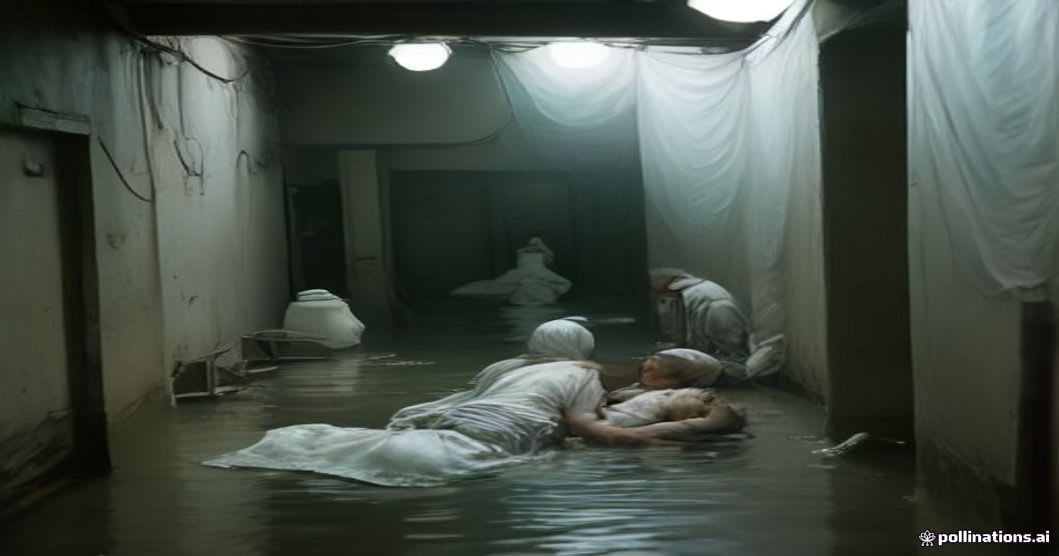
In the heart of West Bengal’s Malda district, a relentless monsoon has turned a once‑busy district hospital into a waterlogged maze. Despite rising waters, a total power failure, and dwindling supplies, doctors and nursing staff have refused to abandon their wards. Their determination shines a stark light on the broader challenges faced by healthcare infrastructure in flood‑prone regions of India.
The Flood Crisis in Malda
- Geography meets weather: Malda, situated on the banks of the Mahananda River, experiences seasonal inundation. This year’s monsoon broke historic records, submerging low‑lying neighborhoods and critical public facilities.
- Extent of damage: The hospital’s ground‑floor corridors were reported to be waist‑deep in water within 24 hours of the peak rains. Electrical panels were short‑circuited, leaving the entire complex in darkness.
- Immediate response: Local authorities declared a state of emergency, but logistical bottlenecks delayed the arrival of relief trucks and portable generators.
Doctors on the Frontline
- Unwavering commitment: Senior consultant Dr. Arindam Chakraborty recounted, “When the water rose, we could have left. Instead, we set up makeshift beds on the dry side of the ward and kept treating patients.”
- Adaptation tactics: Staff used battery‑powered lanterns, improvised suction devices, and manual record‑keeping to continue care. Volunteer medical students assisted with triage, while senior nurses coordinated the limited oxygen supply.
- Human stories: Among the patients was 7‑year‑old Riya, recovering from severe malaria, whose mother described the scene: “The doctors never left, even as the lights flickered. Their calm gave us hope.”
Challenges: Power Loss and Infrastructure
- Power outage: With the main grid down, critical equipment such as ventilators and incubators were offline. Backup generators failed to start due to water‑logged fuel tanks.
- Supply chain disruption: Roads were blocked, delaying essential medicines and sterile supplies. The hospital relied on emergency drops from the state health department.
- Staff fatigue: Continuous duty shifts, coupled with personal concerns about family safety, pushed the medical team to the brink of exhaustion.
Community Impact
- Health outcomes: Preliminary data suggests a 15% rise in untreated minor injuries and a spike in water‑borne diseases post‑flood.
- Economic strain: Families already burdened by agricultural losses now face medical bills, amplifying the district’s poverty cycle.
- Social cohesion: The crisis has sparked a groundswell of volunteerism, with local NGOs setting up temporary shelters and distribution points for clean water.
Looking Ahead: Resilience and Policy Recommendations
- Infrastructure upgrades: Elevate critical hospital zones and install flood‑resistant electrical systems.
- Emergency power planning: Pre‑position waterproof generators and maintain a stockpile of fuel in secure locations.
- Integrated disaster response: Establish a real‑time coordination hub linking health services, disaster management, and local NGOs.
- Community health education: Conduct awareness campaigns on flood‑related illnesses and preventive measures.
The courage displayed by Malda’s medical staff underscores a larger truth: in the face of climate‑driven disasters, human resolve can bridge gaps left by inadequate infrastructure. Their story is a call to action for policymakers, donors, and citizens alike to fortify health systems before the next deluge arrives.
For continuous updates on the situation in Malda and other flood‑affected regions, stay tuned to our coverage.
Original Reporting & Source: India Today Top Stories

Discussion (0)
Sign in to join the discussion.
No comments yet. Be the first to start the conversation!