Umang Sisodia • • 3 min read • 11 views

US Inflation Stubbornly High: Diesel Prices Hit Record, Home Sales Slump
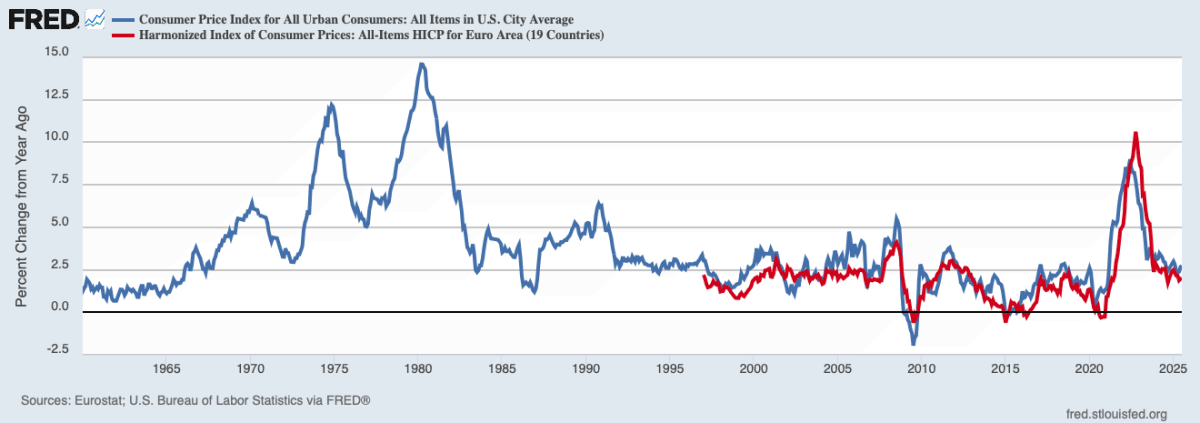
US Inflation Stubbornly High: Diesel Prices Hit Record, Home Sales Slump

Overview

The United States is grappling with a stubborn inflationary environment as diesel fuel prices soar to an all‑time high and the residential real‑estate market shows clear signs of fatigue. While the broader consumer price index (CPI) remains elevated, the ripple effects are now evident in transportation costs and housing activity, two sectors that directly influence household budgets.


  • Core CPI continues to run above the Federal Reserve’s 2% target, hovering around 4.8% year‑over‑year.
  • Energy component is the primary driver, with diesel leading the pack, followed by gasoline and natural gas.
  • Policy response: The Fed has kept its benchmark rate at 5.25%–5.50% and signalled a cautious approach to further tightening, citing mixed data on wage growth and consumer spending.

Diesel Prices Surge to Record Levels

  • Current price: Diesel is now trading at $5.12 per gallon, the highest level recorded since the dataset began in 1990.
  • Drivers:
    1. Geopolitical tensions in the Middle East have constrained crude supply.
    2. Refinery maintenance schedules in the Gulf Coast have reduced output.
    3. Increased freight demand as e‑commerce volumes rebound post‑pandemic.
  • Impact on logistics: Trucking firms are passing on higher fuel costs to shippers, inflating freight rates by 7‑10% over the last quarter.

Housing Market Slows Down

  • Existing‑home sales fell 3.2% in July, marking the eighth consecutive month of decline.
  • Median home price slipped to $388,000, a modest dip from the previous month’s peak.
  • Underlying factors:
    • Higher mortgage rates (average 30‑year fixed now at 6.9%).
    • Reduced consumer confidence as families allocate more of their budget to fuel and utilities.
    • Inventory strain: Builders are cautious, delaying new projects amid rising material costs.

Policy Implications

  • Federal Reserve: The central bank faces a trade‑off between curbing inflation and avoiding a hard landing for the housing market. A premature rate cut could reignite price pressures, while further hikes risk deepening the slowdown.
  • Congressional action: Lawmakers are debating targeted relief measures for the transportation sector, such as tax credits for fuel‑efficient trucks, and incentives to stimulate affordable housing construction.

Outlook

  • Short‑term: Expect diesel prices to stay elevated for the next 2‑3 months as refinery outages persist and global oil demand remains robust.
  • Medium‑term: If the Fed maintains a steady rate path and inflation shows a downward trend in the core components, the housing market may stabilize by late 2025.
  • Key takeaway: The intersection of high energy costs and a cooling real‑estate market underscores the interconnectedness of macroeconomic variables. Consumers will continue to feel the pinch, and policymakers must balance inflation control with growth support.

Takeaways for readers

  • Monitor diesel price trends if you rely on road freight for business.
  • Homebuyers should consider locking in mortgage rates now before further hikes.
  • Keep an eye on Fed statements; even subtle tone shifts can signal upcoming policy moves.

Stay informed, stay prepared.


Original Reporting & Source: India Today Top Stories

Discussion (0)

Sign in to join the discussion.

No comments yet. Be the first to start the conversation!

| |

US Inflation Stubbornly High: Diesel Prices Hit Record, Home Sales Slump

By Umang Sisodia • 3 min read • 11 views

Overview

The United States is grappling with a stubborn inflationary environment as diesel fuel prices soar to an all‑time high and the residential real‑estate market shows clear signs of fatigue. While the broader consumer price index (CPI) remains elevated, the ripple effects are now evident in transportation costs and housing activity, two sectors that directly influence household budgets.


  • Core CPI continues to run above the Federal Reserve’s 2% target, hovering around 4.8% year‑over‑year.
  • Energy component is the primary driver, with diesel leading the pack, followed by gasoline and natural gas.
  • Policy response: The Fed has kept its benchmark rate at 5.25%–5.50% and signalled a cautious approach to further tightening, citing mixed data on wage growth and consumer spending.

Diesel Prices Surge to Record Levels

  • Current price: Diesel is now trading at $5.12 per gallon, the highest level recorded since the dataset began in 1990.
  • Drivers:
    1. Geopolitical tensions in the Middle East have constrained crude supply.
    2. Refinery maintenance schedules in the Gulf Coast have reduced output.
    3. Increased freight demand as e‑commerce volumes rebound post‑pandemic.
  • Impact on logistics: Trucking firms are passing on higher fuel costs to shippers, inflating freight rates by 7‑10% over the last quarter.

Housing Market Slows Down

  • Existing‑home sales fell 3.2% in July, marking the eighth consecutive month of decline.
  • Median home price slipped to $388,000, a modest dip from the previous month’s peak.
  • Underlying factors:
    • Higher mortgage rates (average 30‑year fixed now at 6.9%).
    • Reduced consumer confidence as families allocate more of their budget to fuel and utilities.
    • Inventory strain: Builders are cautious, delaying new projects amid rising material costs.

Policy Implications

  • Federal Reserve: The central bank faces a trade‑off between curbing inflation and avoiding a hard landing for the housing market. A premature rate cut could reignite price pressures, while further hikes risk deepening the slowdown.
  • Congressional action: Lawmakers are debating targeted relief measures for the transportation sector, such as tax credits for fuel‑efficient trucks, and incentives to stimulate affordable housing construction.

Outlook

  • Short‑term: Expect diesel prices to stay elevated for the next 2‑3 months as refinery outages persist and global oil demand remains robust.
  • Medium‑term: If the Fed maintains a steady rate path and inflation shows a downward trend in the core components, the housing market may stabilize by late 2025.
  • Key takeaway: The intersection of high energy costs and a cooling real‑estate market underscores the interconnectedness of macroeconomic variables. Consumers will continue to feel the pinch, and policymakers must balance inflation control with growth support.

Takeaways for readers

  • Monitor diesel price trends if you rely on road freight for business.
  • Homebuyers should consider locking in mortgage rates now before further hikes.
  • Keep an eye on Fed statements; even subtle tone shifts can signal upcoming policy moves.

Stay informed, stay prepared.


Original Reporting & Source: India Today Top Stories