Umang Sisodia • • 3 min read • 8 views

BSF Saves Infant Among Ten Bangladeshis Swept by Padma River: A Cross‑Border Rescue Story
BSF Saves Infant Among Ten Bangladeshis Swept by Padma River: A Cross‑Border Rescue Story

A Harrowing Rescue on the Padma River

In the early hours of Tuesday, a Border Security Force (BSF) patrol team on the West Bengal side of the Padma River pulled ten Bangladeshi nationals, including a newborn infant, from the turbulent waters. The incident, reported by India Today, underscores the perilous journeys many undertake to cross the porous India‑Bangladesh border and the humanitarian role played by security forces on both sides.

The Incident in Detail

  • Location: Padma River, near the West Bengal‑Bangladesh border.
  • Victims: Ten Bangladeshi nationals, among them a mother with a newborn, two children, and several adults.
  • Rescuers: A BSF unit stationed at the riverbank, equipped with a small inflatable boat and life‑saving gear.
  • Outcome: All ten individuals were safely brought ashore and handed over to local medical authorities for assessment.

Why the Padma River Becomes a Migration Corridor

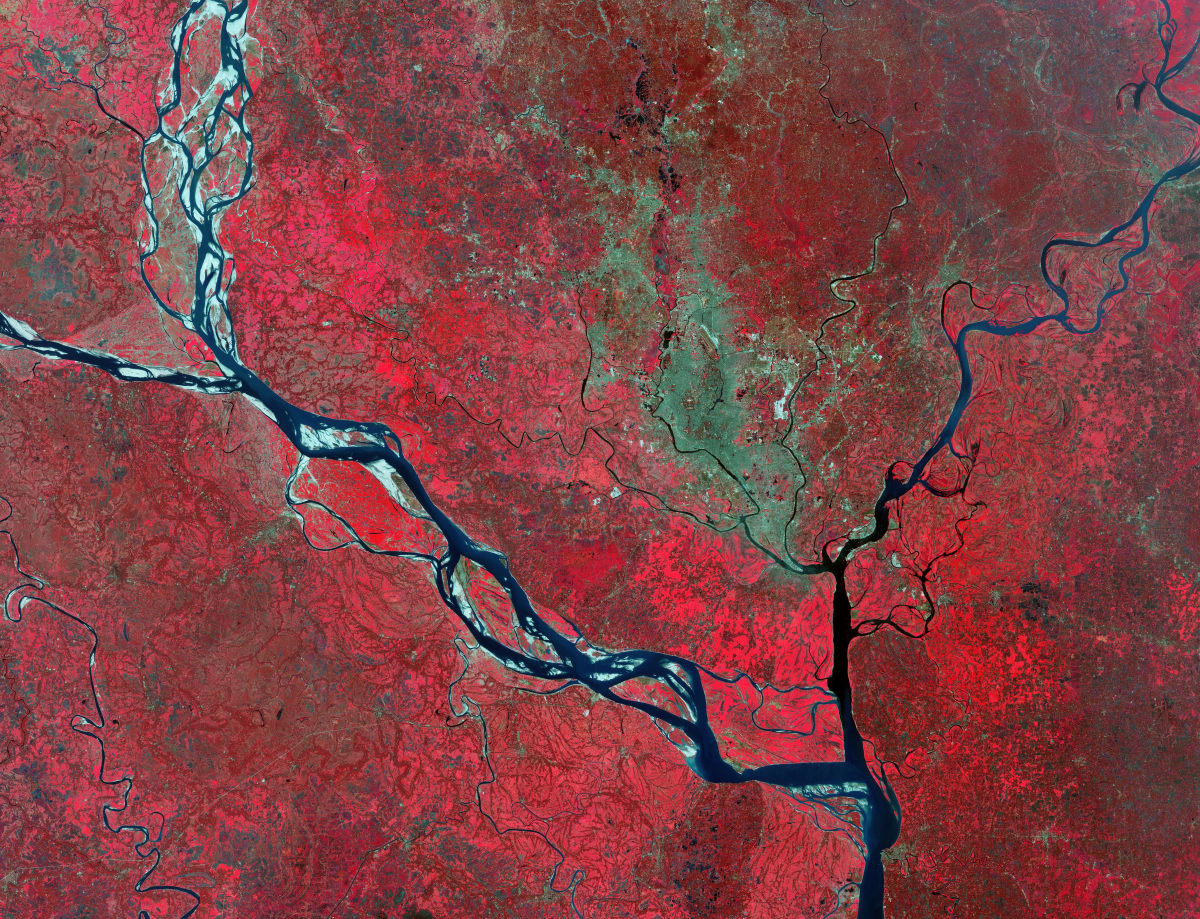
The Padma (known as the Ganges in India) is a natural conduit that has, for decades, facilitated informal cross‑border movement. Seasonal flooding, limited policing in remote stretches, and the promise of better economic prospects drive many to attempt the crossing, often in overcrowded, makeshift vessels.

  • Geographic Factors: The river widens dramatically during monsoon, making it both a barrier and a bridge.
  • Economic Push: Rural poverty in northern Bangladesh pushes families to seek work in Indian states like West Bengal and Assam.
  • Policy Gaps: While both governments have agreements on border management, enforcement in remote riverine zones remains inconsistent.

The Humanitarian Dimension of BSF Operations

Traditionally, the BSF is viewed through a security lens—preventing illegal immigration and smuggling. However, the Padma rescue illustrates a dual mandate:

  1. Border Enforcement: Detecting and deterring illicit crossings.
  2. Life‑Saving Intervention: Providing immediate medical aid and safe passage for those in distress.

BSF officials emphasized that their primary objective was to prevent loss of life, regardless of the migrants' legal status. The presence of an infant amplified the urgency, prompting swift action from the on‑scene team.

Broader Implications for India‑Bangladesh Relations

  • Diplomatic Sensitivity: Each rescue can become a flashpoint if not handled delicately, given the political sensitivities surrounding illegal migration.
  • Co‑operation Opportunities: Joint river‑patrol initiatives and shared rescue protocols could reduce fatalities while respecting sovereignty.
  • Human Rights Lens: NGOs argue for humane treatment of migrants, urging both governments to address root causes rather than solely focusing on border securitisation.

Takeaways

  • Safety First: Security forces must continue to prioritize humanitarian response in riverine rescues.
  • Policy Review: Both nations should revisit border management strategies to balance security with compassion.
  • Public Awareness: Highlighting stories like this can foster empathy and drive policy dialogue on migration challenges.

The Padma River rescue is a stark reminder that behind every headline of illegal crossing lies a human story—often of desperation, hope, and the thin line between life and death.


For further reading, see related coverage on cross‑border migration, BSF operations, and Indo‑Bangladeshi diplomatic talks.


Original Reporting & Source: India Today Top Stories

Discussion (0)

Sign in to join the discussion.

No comments yet. Be the first to start the conversation!

| |

BSF Saves Infant Among Ten Bangladeshis Swept by Padma River: A Cross‑Border Rescue Story

By Umang Sisodia • 3 min read • 8 views

A Harrowing Rescue on the Padma River

In the early hours of Tuesday, a Border Security Force (BSF) patrol team on the West Bengal side of the Padma River pulled ten Bangladeshi nationals, including a newborn infant, from the turbulent waters. The incident, reported by India Today, underscores the perilous journeys many undertake to cross the porous India‑Bangladesh border and the humanitarian role played by security forces on both sides.

The Incident in Detail

  • Location: Padma River, near the West Bengal‑Bangladesh border.
  • Victims: Ten Bangladeshi nationals, among them a mother with a newborn, two children, and several adults.
  • Rescuers: A BSF unit stationed at the riverbank, equipped with a small inflatable boat and life‑saving gear.
  • Outcome: All ten individuals were safely brought ashore and handed over to local medical authorities for assessment.

Why the Padma River Becomes a Migration Corridor

The Padma (known as the Ganges in India) is a natural conduit that has, for decades, facilitated informal cross‑border movement. Seasonal flooding, limited policing in remote stretches, and the promise of better economic prospects drive many to attempt the crossing, often in overcrowded, makeshift vessels.

  • Geographic Factors: The river widens dramatically during monsoon, making it both a barrier and a bridge.
  • Economic Push: Rural poverty in northern Bangladesh pushes families to seek work in Indian states like West Bengal and Assam.
  • Policy Gaps: While both governments have agreements on border management, enforcement in remote riverine zones remains inconsistent.

The Humanitarian Dimension of BSF Operations

Traditionally, the BSF is viewed through a security lens—preventing illegal immigration and smuggling. However, the Padma rescue illustrates a dual mandate:

  1. Border Enforcement: Detecting and deterring illicit crossings.
  2. Life‑Saving Intervention: Providing immediate medical aid and safe passage for those in distress.

BSF officials emphasized that their primary objective was to prevent loss of life, regardless of the migrants' legal status. The presence of an infant amplified the urgency, prompting swift action from the on‑scene team.

Broader Implications for India‑Bangladesh Relations

  • Diplomatic Sensitivity: Each rescue can become a flashpoint if not handled delicately, given the political sensitivities surrounding illegal migration.
  • Co‑operation Opportunities: Joint river‑patrol initiatives and shared rescue protocols could reduce fatalities while respecting sovereignty.
  • Human Rights Lens: NGOs argue for humane treatment of migrants, urging both governments to address root causes rather than solely focusing on border securitisation.

Takeaways

  • Safety First: Security forces must continue to prioritize humanitarian response in riverine rescues.
  • Policy Review: Both nations should revisit border management strategies to balance security with compassion.
  • Public Awareness: Highlighting stories like this can foster empathy and drive policy dialogue on migration challenges.

The Padma River rescue is a stark reminder that behind every headline of illegal crossing lies a human story—often of desperation, hope, and the thin line between life and death.


For further reading, see related coverage on cross‑border migration, BSF operations, and Indo‑Bangladeshi diplomatic talks.


Original Reporting & Source: India Today Top Stories