Umang Sisodia • • 3 min read • 13 views
BRICS Summit in New Delhi Condemns Unilateral Sanctions and Raises Alarm Over Middle East Turmoil
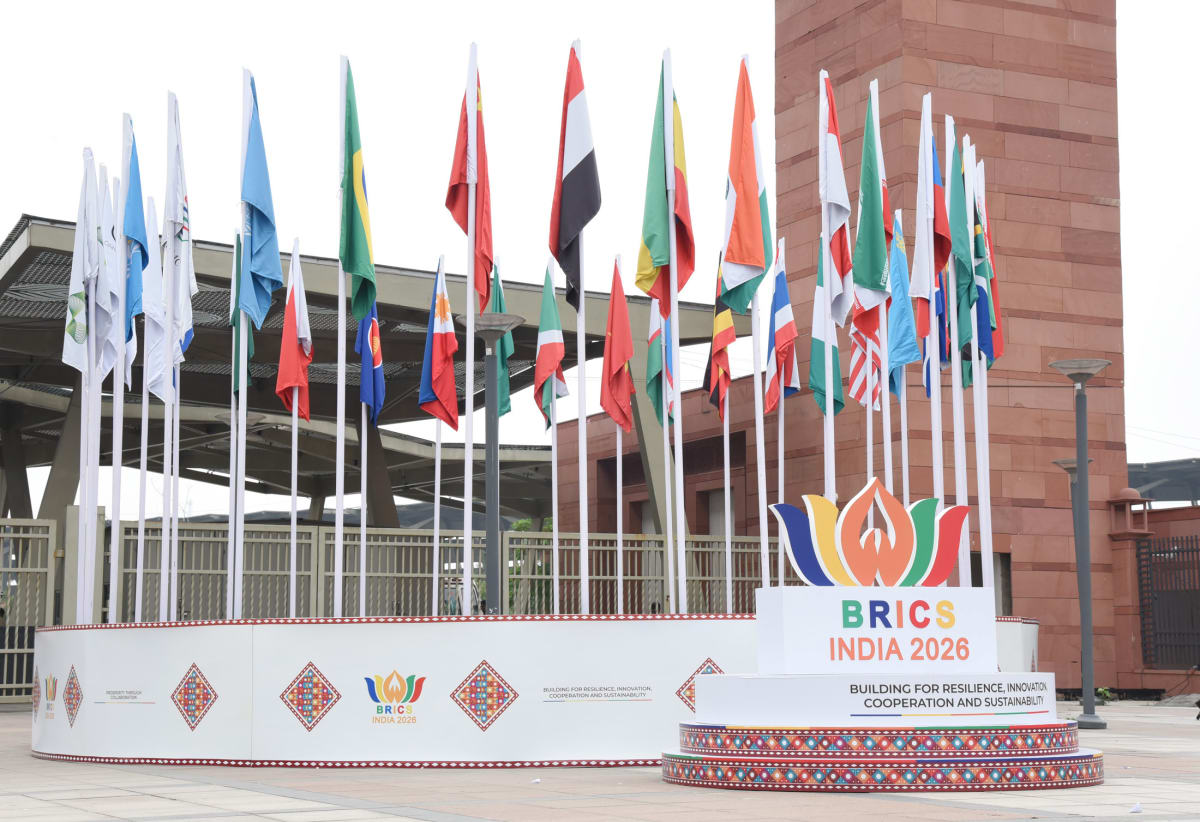
A Unified Front at the New Delhi BRICS Summit
The 2026 BRICS summit in New Delhi marked a decisive moment for the bloc as its leaders jointly voiced deep concern over escalating tensions in the Middle East and unequivocally condemned the use of unilateral sanctions. While the gathering was framed around cooperation on trade, technology, and climate, the security agenda dominated headlines, reflecting a shift in the group's diplomatic calculus.
Key Statements
- Collective Condemnation – Heads of state from Brazil, Russia, India, China, and South Africa issued a joint declaration denouncing unilateral economic measures that, in their view, exacerbate regional instability.
- Middle East Focus – The statement highlighted the humanitarian fallout from ongoing conflicts, urging all parties to pursue dialogue over force.
- Pahalgam Terror Attack – India referenced the recent terror attack in Pahalgam, Kashmir, calling it a stark reminder of the global reach of extremist networks. The inclusion of this incident signaled New Delhi’s intent to link domestic security concerns with broader international policy.
- Selective Outrage Debate – Critics, including former Jammu & Kashmir chief minister Mehbooba Mufti, accused the bloc of "selective outrage," arguing that the condemnation was unevenly applied across global conflicts.
Geopolitical Context
The BRICS declaration arrives at a time when the United States and European Union have intensified sanction regimes against Iran and Russia. By positioning themselves against "unilateral" measures, the BRICS nations are not only defending their own economic interests but also seeking to present an alternative model of multilateralism.
- India’s Strategic Pivot – Prime Minister Narendra Modi’s government has leveraged the summit to showcase India’s growing diplomatic clout, balancing its historic non‑alignment with a more assertive stance on security matters.
- China‑Russia Alignment – Both Beijing and Moscow have long opposed Western sanctions, and their support for the declaration underscores a deepening strategic convergence within the bloc.
- Western Response – Analysts predict a diplomatic push‑back from Washington, which may view the BRICS narrative as an attempt to undermine the legitimacy of its sanction policies.
Implications for the Middle East
The BRICS condemnation could have several ripple effects:
- Pressure on Sanctioning Nations – Countries imposing sanctions may face diplomatic isolation in forums where BRICS influence is strong.
- Potential Mediation Role – The bloc could position itself as a neutral mediator, offering an alternative platform for peace talks.
- Economic Realignments – Nations under sanction may seek deeper trade ties with BRICS members, reshaping regional supply chains.
Takeaways
- The New Delhi summit demonstrates BRICS’s willingness to expand its agenda beyond economics into security and geopolitics.
- India’s inclusion of the Pahalgam attack ties domestic counter‑terrorism concerns to a broader call for global cooperation against extremism.
- The "selective outrage" critique highlights the challenge the bloc faces in maintaining a consistent moral stance while navigating complex international alliances.
Looking ahead, the effectiveness of the BRICS declaration will hinge on whether it translates into concrete diplomatic initiatives or remains a symbolic rebuke of Western policy.
For further reading, see AP News coverage of the summit and analysis pieces from The Hindu, India Today, and The Times of India.
Original Reporting & Source: AP News

Discussion (0)
Sign in to join the discussion.
No comments yet. Be the first to start the conversation!