Umang Sisodia • • 3 min read • 16 views

Rajasthan’s BJP Fortress Shaken: Rajput Discontent Over UGC Sparks New Political Tension
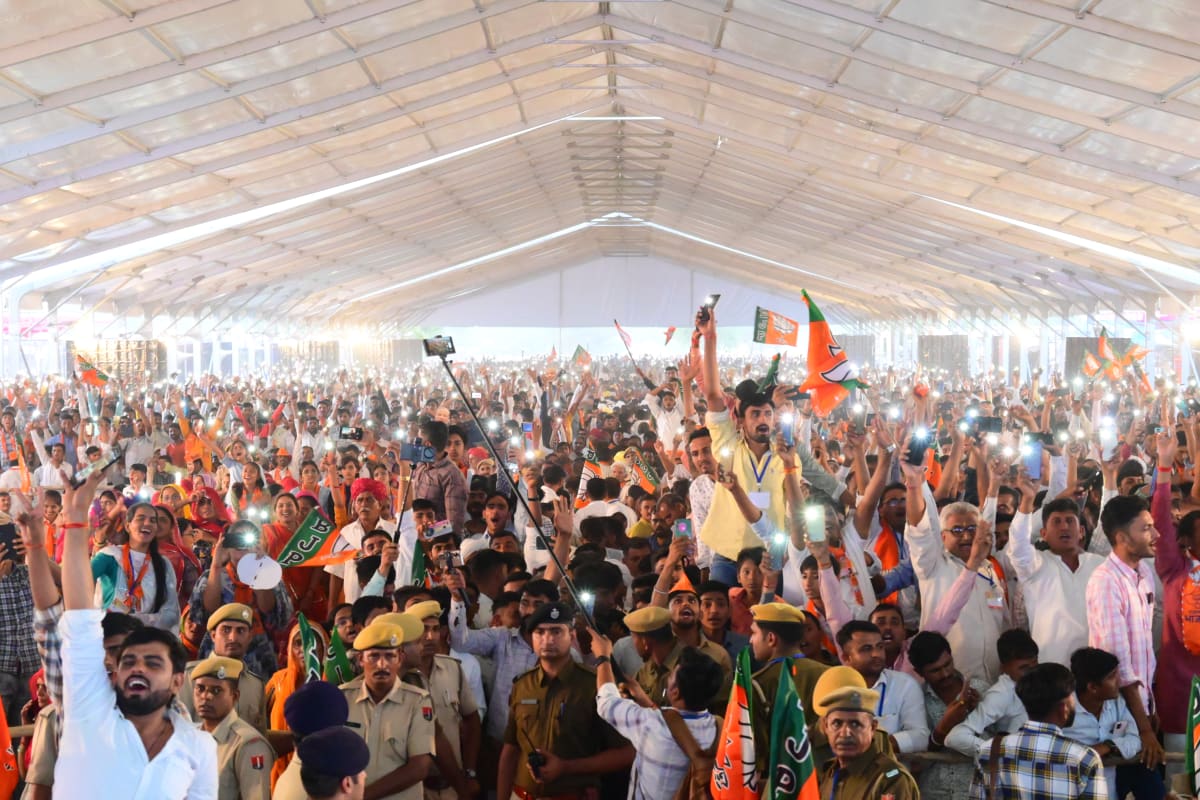
Rajasthan’s BJP Fortress Shaken: Rajput Discontent Over UGC Sparks New Political Tension

The Unfolding Drama in Rajasthan’s BJP Heartland

In a state where the Bharatiya Janata Party (BJP) has long been considered a fortress, a fresh wave of unrest is rippling through its traditional base. Recent reports from India Today highlight how independent candidates—often labeled *"निर्दलीय"*—have stirred controversy around the University Grants Commission (UGC), igniting anger among the influential Rajput community. The fallout is reshaping the political calculus ahead of the next assembly elections.


1. BJP’s Historical Stronghold in Rajasthan

  • Caste‑based loyalty: For decades, the party’s dominance has hinged on the support of Rajputs, a community that commands both social prestige and electoral weight.
  • Development narrative: Infrastructure projects, road‑building, and agrarian schemes have cemented the BJP’s image as a development‑focused party.
  • Leadership continuity: Figures like Ashok Gehlot (though from Congress) and Sanjay Joshi have kept the BJP’s grassroots machinery humming.

Despite this entrenched base, cracks have begun to appear, especially where local grievances intersect with national policy decisions.


2. The UGC Flashpoint

The University Grants Commission, India's apex body for higher education, recently announced a set of policy revisions affecting reservation quotas, funding allocations, and autonomy for private institutions. While the reforms aim to streamline academic standards, they have been perceived by many Rajput leaders as a dilution of merit‑based admissions that could disadvantage their community’s youth.

Key points of contention:

  • Reservation reshuffle: Proposals to increase OBC seats in premier universities have raised fears of reduced opportunities for Rajput candidates.
  • Funding formula: New criteria prioritize institutions with higher research output, potentially sidelining many colleges in Rajput‑dominant districts.
  • Administrative appointments: Allegations that the UGC’s selection panels are favoring candidates from non‑Rajput backgrounds have further inflamed sentiments.

3. Rise of the Independents (निर्दलीय)

Amid the UGC uproar, a cohort of independent politicians—often former party workers turned dissenters—has seized the moment to challenge the BJP’s internal hierarchy. By positioning themselves as protectors of Rajput interests, they have:

  • Filed petitions against recent UGC notifications in local courts.
  • Organised rallies under the banner of "राजपूतों का अधिकार" (Rajput rights), drawing sizable crowds.
  • Filed nomination papers for upcoming elections, threatening to split the BJP vote share in key constituencies.

Their emergence underscores a broader phenomenon: caste‑based fragmentation within a party that once enjoyed monolithic support.


4. What This Means for the Upcoming Elections

  • Vote‑share erosion: If independents consolidate Rajput backing, the BJP could lose 2‑3 percentage points in pivotal districts like Jhunjhunu, Sikar, and Udaipur.
  • Coalition calculus: The Congress and other regional outfits may attempt to court the disgruntled Rajputs, offering tailored policy promises.
  • Internal discipline: BJP leadership faces a dilemma—placate Rajput leaders with concessions on the UGC front or reinforce a hard‑line stance to maintain ideological consistency.

5. Takeaways

  1. Caste remains a decisive factor in Rajasthan politics; any perceived threat to Rajput interests can destabilise even the strongest parties.
  2. Policy decisions at the national level, like those of the UGC, have ripple effects that manifest in local electoral battles.
  3. The rise of independents signals a growing willingness among grassroots leaders to challenge party orthodoxy when community concerns are ignored.
  4. Strategic engagement—whether through policy tweaks, dialogue with community elders, or targeted development projects—will be crucial for the BJP to retain its foothold.

The coming months will reveal whether the party can re‑assert its dominance or whether Rajasthan’s political landscape is on the brink of a caste‑driven realignment.


Stay tuned for on‑ground updates as the story evolves.


Original Reporting & Source: India Today Top Stories

Discussion (0)

Sign in to join the discussion.

No comments yet. Be the first to start the conversation!

| |

Rajasthan’s BJP Fortress Shaken: Rajput Discontent Over UGC Sparks New Political Tension

By Umang Sisodia • 3 min read • 16 views

The Unfolding Drama in Rajasthan’s BJP Heartland

In a state where the Bharatiya Janata Party (BJP) has long been considered a fortress, a fresh wave of unrest is rippling through its traditional base. Recent reports from India Today highlight how independent candidates—often labeled *"निर्दलीय"*—have stirred controversy around the University Grants Commission (UGC), igniting anger among the influential Rajput community. The fallout is reshaping the political calculus ahead of the next assembly elections.


1. BJP’s Historical Stronghold in Rajasthan

  • Caste‑based loyalty: For decades, the party’s dominance has hinged on the support of Rajputs, a community that commands both social prestige and electoral weight.
  • Development narrative: Infrastructure projects, road‑building, and agrarian schemes have cemented the BJP’s image as a development‑focused party.
  • Leadership continuity: Figures like Ashok Gehlot (though from Congress) and Sanjay Joshi have kept the BJP’s grassroots machinery humming.

Despite this entrenched base, cracks have begun to appear, especially where local grievances intersect with national policy decisions.


2. The UGC Flashpoint

The University Grants Commission, India's apex body for higher education, recently announced a set of policy revisions affecting reservation quotas, funding allocations, and autonomy for private institutions. While the reforms aim to streamline academic standards, they have been perceived by many Rajput leaders as a dilution of merit‑based admissions that could disadvantage their community’s youth.

Key points of contention:

  • Reservation reshuffle: Proposals to increase OBC seats in premier universities have raised fears of reduced opportunities for Rajput candidates.
  • Funding formula: New criteria prioritize institutions with higher research output, potentially sidelining many colleges in Rajput‑dominant districts.
  • Administrative appointments: Allegations that the UGC’s selection panels are favoring candidates from non‑Rajput backgrounds have further inflamed sentiments.

3. Rise of the Independents (निर्दलीय)

Amid the UGC uproar, a cohort of independent politicians—often former party workers turned dissenters—has seized the moment to challenge the BJP’s internal hierarchy. By positioning themselves as protectors of Rajput interests, they have:

  • Filed petitions against recent UGC notifications in local courts.
  • Organised rallies under the banner of "राजपूतों का अधिकार" (Rajput rights), drawing sizable crowds.
  • Filed nomination papers for upcoming elections, threatening to split the BJP vote share in key constituencies.

Their emergence underscores a broader phenomenon: caste‑based fragmentation within a party that once enjoyed monolithic support.


4. What This Means for the Upcoming Elections

  • Vote‑share erosion: If independents consolidate Rajput backing, the BJP could lose 2‑3 percentage points in pivotal districts like Jhunjhunu, Sikar, and Udaipur.
  • Coalition calculus: The Congress and other regional outfits may attempt to court the disgruntled Rajputs, offering tailored policy promises.
  • Internal discipline: BJP leadership faces a dilemma—placate Rajput leaders with concessions on the UGC front or reinforce a hard‑line stance to maintain ideological consistency.

5. Takeaways

  1. Caste remains a decisive factor in Rajasthan politics; any perceived threat to Rajput interests can destabilise even the strongest parties.
  2. Policy decisions at the national level, like those of the UGC, have ripple effects that manifest in local electoral battles.
  3. The rise of independents signals a growing willingness among grassroots leaders to challenge party orthodoxy when community concerns are ignored.
  4. Strategic engagement—whether through policy tweaks, dialogue with community elders, or targeted development projects—will be crucial for the BJP to retain its foothold.

The coming months will reveal whether the party can re‑assert its dominance or whether Rajasthan’s political landscape is on the brink of a caste‑driven realignment.


Stay tuned for on‑ground updates as the story evolves.


Original Reporting & Source: India Today Top Stories