Umang Sisodia • • 4 min read • 4 views

CBI Charges Reliance Capital in LIC Fraud Case: Anil Ambani Refutes Allegations
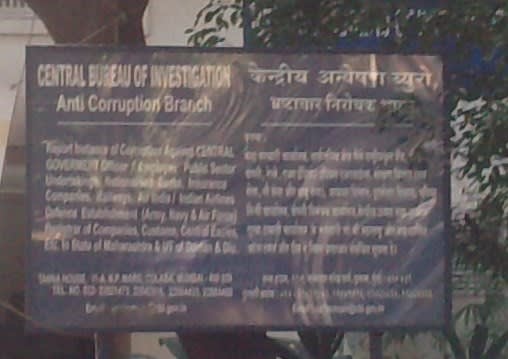
CBI Charges Reliance Capital in LIC Fraud Case: Anil Ambani Refutes Allegations

The Story Behind the Surge

The Central Bureau of Investigation (CBI) has formally booked Reliance Capital in a high‑profile fraud case involving the Life Insurance Corporation (LIC). Within hours, the news trended across Indian digital platforms, sparking heated debates on corporate governance, political influence, and market stability. The headline also features Anil Ambani’s categorical denial, adding a personal dimension that fuels public curiosity.


  • Corporate heavyweight: Reliance Capital is part of the Ambani conglomerate, a name that consistently draws media attention.
  • Public money at stake: LIC, a government‑owned insurer, manages assets worth over ₹7 trillion; any alleged misappropriation triggers national concern.
  • Political undertones: The case arrives amid heightened scrutiny of corporate‑political linkages, especially after recent investigations into other large groups.
  • Immediate market reaction: Shares of Reliance Capital and related entities saw volatility, prompting investors to search for real‑time updates.

The CBI’s Filing: Core Details

The CBI’s charge sheet alleges that Reliance Capital colluded with certain LIC officials to misrepresent financial statements and channel funds to entities linked to the Ambani family. Key points include:

  • Timeframe: Alleged irregularities span from 2015 to 2022.
  • Mechanism: Use of off‑balance‑sheet vehicles and structured finance arrangements to inflate asset values.
  • Financial impact: Preliminary estimates suggest a loss of ₹3,500‑₹4,000 crore to LIC’s policyholder fund.
  • Legal provisions: Charges under the Prevention of Corruption Act, the Indian Penal Code, and the Companies Act.

"The investigation has uncovered a systematic pattern of financial manipulation that undermines the trust of millions of LIC policyholders," a senior CBI official said in a press briefing.


Anil Ambani’s Response

Anil Ambani, chairman of Reliance Group, held a press conference in Mumbai, where he:

  • Denied any wrongdoing, labeling the allegations as “politically motivated” and “baseless”.
  • Asserted compliance: Stated that all transactions were audited by reputable firms and approved by the board.
  • Promised cooperation: Offered full cooperation with investigative agencies while urging the public to await the judicial process.
  • Highlighted contributions: Reminded stakeholders of Reliance Capital’s role in financing infrastructure and MSME growth.

"We have always operated within the legal framework. Any attempt to tarnish our reputation will be met with a robust legal defense," Ambani declared.


Judicial Outlook

  • Pre‑trial detention: No arrest has been made; the case is at the investigation stage.
  • Potential penalties: If convicted, the company could face fines, asset freezes, and a ban on future government contracts.
  • Precedent: The case mirrors earlier high‑profile investigations (e.g., Nirav Modi, Punjab National Bank), underscoring the judiciary’s growing willingness to probe corporate misconduct.

Market Reaction

  • Stock volatility: Reliance Capital’s share price dropped ~7% on the day of the filing, with a rebound after the company’s denial.
  • Investor sentiment: Institutional investors have flagged the stock for heightened risk, while retail investors remain divided.
  • Sector ripple: Other financial services firms saw a modest dip, reflecting broader concerns about regulatory exposure.

Takeaways for Readers

  • Due diligence matters: Investors should monitor corporate disclosures and legal developments closely.
  • Regulatory environment is tightening: The CBI’s aggressive stance signals a shift toward stricter enforcement in the financial sector.
  • Public perception influences markets: Even unproven allegations can sway stock prices; transparency and timely communication are vital.
  • Watch for court outcomes: The next few months will reveal whether the case proceeds to trial, which could reshape the corporate governance landscape in India.

Bottom line: The CBI’s action against Reliance Capital has ignited a national conversation about corporate accountability, the sanctity of public funds, and the interplay between business and politics. As the legal process unfolds, stakeholders—from policyholders to investors—must stay informed and vigilant.


Original Reporting & Source: India Today Top Stories

Discussion (0)

Sign in to join the discussion.

No comments yet. Be the first to start the conversation!

| |

CBI Charges Reliance Capital in LIC Fraud Case: Anil Ambani Refutes Allegations

By Umang Sisodia • 4 min read • 4 views

The Story Behind the Surge

The Central Bureau of Investigation (CBI) has formally booked Reliance Capital in a high‑profile fraud case involving the Life Insurance Corporation (LIC). Within hours, the news trended across Indian digital platforms, sparking heated debates on corporate governance, political influence, and market stability. The headline also features Anil Ambani’s categorical denial, adding a personal dimension that fuels public curiosity.


  • Corporate heavyweight: Reliance Capital is part of the Ambani conglomerate, a name that consistently draws media attention.
  • Public money at stake: LIC, a government‑owned insurer, manages assets worth over ₹7 trillion; any alleged misappropriation triggers national concern.
  • Political undertones: The case arrives amid heightened scrutiny of corporate‑political linkages, especially after recent investigations into other large groups.
  • Immediate market reaction: Shares of Reliance Capital and related entities saw volatility, prompting investors to search for real‑time updates.

The CBI’s Filing: Core Details

The CBI’s charge sheet alleges that Reliance Capital colluded with certain LIC officials to misrepresent financial statements and channel funds to entities linked to the Ambani family. Key points include:

  • Timeframe: Alleged irregularities span from 2015 to 2022.
  • Mechanism: Use of off‑balance‑sheet vehicles and structured finance arrangements to inflate asset values.
  • Financial impact: Preliminary estimates suggest a loss of ₹3,500‑₹4,000 crore to LIC’s policyholder fund.
  • Legal provisions: Charges under the Prevention of Corruption Act, the Indian Penal Code, and the Companies Act.

"The investigation has uncovered a systematic pattern of financial manipulation that undermines the trust of millions of LIC policyholders," a senior CBI official said in a press briefing.


Anil Ambani’s Response

Anil Ambani, chairman of Reliance Group, held a press conference in Mumbai, where he:

  • Denied any wrongdoing, labeling the allegations as “politically motivated” and “baseless”.
  • Asserted compliance: Stated that all transactions were audited by reputable firms and approved by the board.
  • Promised cooperation: Offered full cooperation with investigative agencies while urging the public to await the judicial process.
  • Highlighted contributions: Reminded stakeholders of Reliance Capital’s role in financing infrastructure and MSME growth.

"We have always operated within the legal framework. Any attempt to tarnish our reputation will be met with a robust legal defense," Ambani declared.


Judicial Outlook

  • Pre‑trial detention: No arrest has been made; the case is at the investigation stage.
  • Potential penalties: If convicted, the company could face fines, asset freezes, and a ban on future government contracts.
  • Precedent: The case mirrors earlier high‑profile investigations (e.g., Nirav Modi, Punjab National Bank), underscoring the judiciary’s growing willingness to probe corporate misconduct.

Market Reaction

  • Stock volatility: Reliance Capital’s share price dropped ~7% on the day of the filing, with a rebound after the company’s denial.
  • Investor sentiment: Institutional investors have flagged the stock for heightened risk, while retail investors remain divided.
  • Sector ripple: Other financial services firms saw a modest dip, reflecting broader concerns about regulatory exposure.

Takeaways for Readers

  • Due diligence matters: Investors should monitor corporate disclosures and legal developments closely.
  • Regulatory environment is tightening: The CBI’s aggressive stance signals a shift toward stricter enforcement in the financial sector.
  • Public perception influences markets: Even unproven allegations can sway stock prices; transparency and timely communication are vital.
  • Watch for court outcomes: The next few months will reveal whether the case proceeds to trial, which could reshape the corporate governance landscape in India.

Bottom line: The CBI’s action against Reliance Capital has ignited a national conversation about corporate accountability, the sanctity of public funds, and the interplay between business and politics. As the legal process unfolds, stakeholders—from policyholders to investors—must stay informed and vigilant.


Original Reporting & Source: India Today Top Stories