Umang Sisodia • • 4 min read • 5 views
Why the US‑Denmark Greenland Pact Is Redefining Arctic Security
The Deal That’s Turning Heads
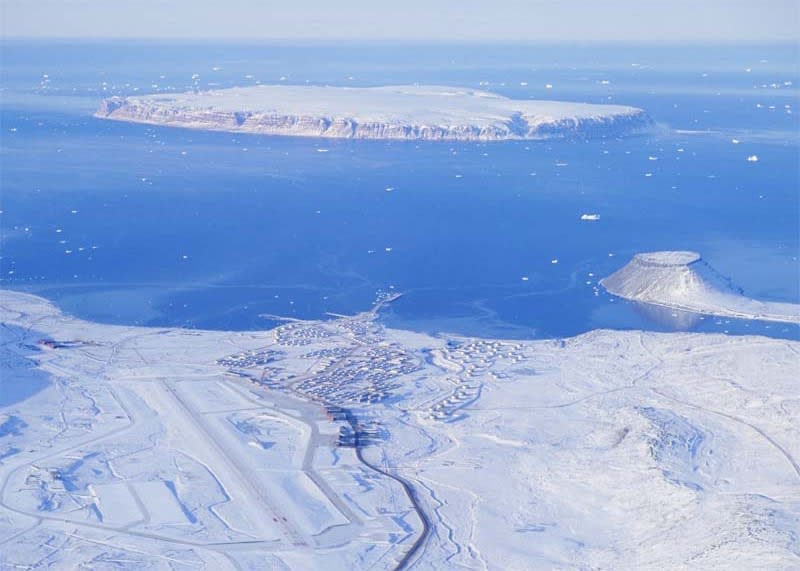
In a surprising diplomatic move, the United States and Denmark have inked a permanent security arrangement that gives Washington a lasting military footprint on Greenland. The announcement, first reported by India Today, has ignited a flurry of analysis across geopolitics, defense circles, and climate‑policy forums. While the headline reads like a Cold‑War flashback, the underlying dynamics are anything but nostalgic – they are driven by a confluence of strategic, economic, and environmental forces reshaping the Arctic.
What Sparked the Surge?
1. Geopolitical Chess in the High North
- Russia’s Arctic Expansion: Moscow has accelerated ice‑breaker deployments and upgraded airbases in the Russian Arctic, prompting NATO allies to reassess their own northern defenses.
- China’s “Polar Silk Road”: Beijing’s investment in Greenland’s mining sector and its interest in Arctic shipping lanes have added a new layer of competition.
2. Energy & Resource Stakes
- Rare‑Earth Metals & Rare‑Gas Deposits: Greenland sits atop vast deposits of critical minerals essential for renewable‑energy technologies.
- Hydrocarbon Reserves: Although the global energy transition is underway, untapped oil and gas reserves remain a strategic lure for major powers.
3. Climate‑Driven Accessibility
- Melting Ice: The Arctic sea ice extent has shrunk by roughly 40 % since the late 1970s, opening new navigation routes like the Northwest Passage and the Northern Sea Route.
- Increased Traffic: Commercial vessels, research ships, and tourism cruises are now traversing waters that were once impassable, heightening the need for search‑and‑rescue and maritime security capabilities.
Core Elements of the Agreement
| Aspect | Details |
|---|---|
| Scope | Permanent U.S. access to Greenland’s airfields and ports for surveillance, rapid‑response, and logistical support. |
| Duration | Indefinite, with annual diplomatic reviews and joint Arctic‑security exercises. |
| Funding | Denmark receives $2 billion over ten years for infrastructure upgrades, including runway extensions and radar installations. |
| Legal Framework | The pact operates under the North Atlantic Treaty Organization (NATO) umbrella, reinforcing collective defense commitments. |
Why It Matters – A Multi‑Layered Impact
Strategic Deterrence
The permanent U.S. presence acts as a deterrent against any aggressive moves by Russia or other actors seeking to dominate the Arctic. It also reassures NATO allies that the High North is not a security blind spot.
Economic Ripple Effects
- Investment Boost: The security umbrella encourages private investors to explore Greenland’s mineral wealth, potentially unlocking $30 billion in mining projects.
- Local Employment: Infrastructure upgrades are projected to create 5,000+ jobs for Greenlandic and Danish workers.
Environmental Governance
While critics argue that militarisation could jeopardise fragile ecosystems, the agreement includes a joint climate‑monitoring task force aimed at balancing security with sustainable development.
Takeaways for Policy‑Makers and Readers
- Arctic is No Longer a Peripheral Theater – The region is now a central arena for great‑power competition, climate change, and resource extraction.
- Alliances Are Evolving – Traditional NATO structures are being adapted to address non‑traditional threats such as cyber‑vulnerabilities of remote installations.
- Economic Opportunities Come with Responsibilities – The influx of capital must be matched with robust environmental safeguards to protect indigenous communities and pristine habitats.
- Diplomacy Must Remain Multi‑Faceted – A successful Arctic strategy will require coordination among defense ministries, scientific bodies, indigenous representatives, and climate NGOs.
“The Arctic is the new frontier where security, climate, and commerce intersect. Ignoring it is no longer an option for any nation that aspires to global relevance.” – Former NATO Arctic Advisor, Jens Holm
Looking Ahead
The U.S.–Denmark Greenland pact is poised to set a precedent for future Arctic agreements. As the ice continues to retreat, expect a cascade of similar deals involving Canada, Norway, and even non‑NATO players. For analysts, the key will be monitoring how military deployments intersect with environmental stewardship and indigenous rights—a delicate balance that will shape the geopolitical narrative of the 21st century.
Stay informed – Follow our coverage for in‑depth analyses on Arctic geopolitics, emerging energy markets, and the evolving security architecture of the High North.
Original Reporting & Source: India Today Top Stories

Discussion (0)
Sign in to join the discussion.
No comments yet. Be the first to start the conversation!