Umang Sisodia • • 3 min read • 6 views
Iran Sets 3 Conditions for US Talks – Why the Diplomatic Standoff Is Trending
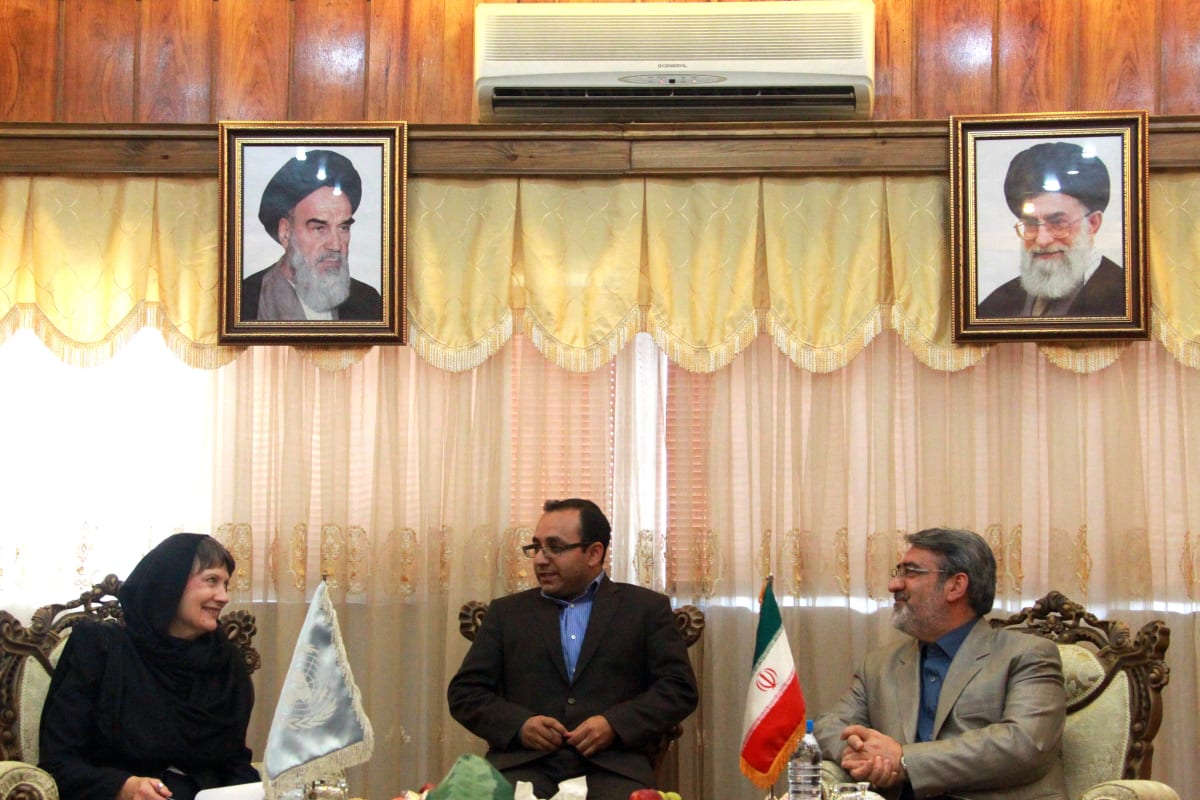
Iran’s New Preconditions for US Talks
In a surprising diplomatic turn, Tehran has outlined three concrete conditions that Washington must meet before any meaningful nuclear negotiations can resume. The demands, conveyed through Qatari mediators, signal a shift from the confrontational rhetoric that dominated the Trump administration to a more structured, albeit cautious, approach under President Biden.
 Qatar diplomatic hub
The Three Conditions
- End to “maximum pressure” sanctions: Iran insists that the United States lift all secondary sanctions that cripple its oil exports and financial channels.
- Recognition of Iran’s right to peaceful nuclear technology: A formal acknowledgment that Tehran’s nuclear program is for civilian use, in line with the Non‑Proliferation Treaty.
- Direct diplomatic engagement: The establishment of a high‑level bilateral channel that bypasses third‑party intermediaries, allowing real‑time dialogue on de‑escalation measures.
Why the Story is Trending
The headline has ignited a surge on Google Trends and news wires for several reasons:
- Geopolitical stakes: Any thaw in US‑Iran relations could reshape the power balance in the Middle East, affecting Israel, Saudi Arabia, and the broader Gulf bloc.
- Domestic politics: In the United States, the issue is a litmus test for President Biden’s foreign‑policy credentials ahead of the 2024 election cycle.
- Economic implications: Lifting sanctions would unlock billions of dollars in Iranian oil revenue, reverberating through global energy markets.
“Trump’s threats will not achieve results; only a realistic roadmap can bring lasting peace,” said Ali Bagheri, Iran’s top nuclear negotiator, during a press briefing in Tehran.
Historical Context
Since the 2015 Joint Comprehensive Plan of Action (JCPOA), US‑Iran talks have oscillated between cautious optimism and outright hostility. The Trump administration’s “maximum pressure” campaign in 2018 dismantled the agreement, prompting Iran to step back from its nuclear commitments. Biden’s pledge to re‑engage was met with skepticism, as Tehran demanded concrete steps rather than vague assurances.
Potential Outcomes
- Re‑entry into the JCPOA: If Washington complies, the deal could be revived, restoring diplomatic channels and curbing Iran’s nuclear enrichment levels.
- Stalemate or escalation: Failure to meet the conditions may push Iran to resume uranium enrichment, raising the specter of a regional arms race.
- Regional diplomacy: Qatar’s role as mediator could solidify its position as a neutral hub for Middle‑East peace talks, influencing future negotiations with Saudi Arabia and Israel.
Key Takeaways
- Iran’s three‑point checklist is a strategic move to force the US off the negotiating table with clear expectations.
- The story’s virality reflects global anxiety over nuclear proliferation and the fragile stability of the Middle East.
- Future diplomatic pathways hinge on whether Washington can translate political will into actionable policy shifts.
Original Reporting & Source: The Times of India

Discussion (0)
Sign in to join the discussion.
No comments yet. Be the first to start the conversation!