Umang Sisodia • • 4 min read • 6 views

UN Reports 1,004 Cases of Sexual Violence in Ukraine War: A Grim Reality Across Ages
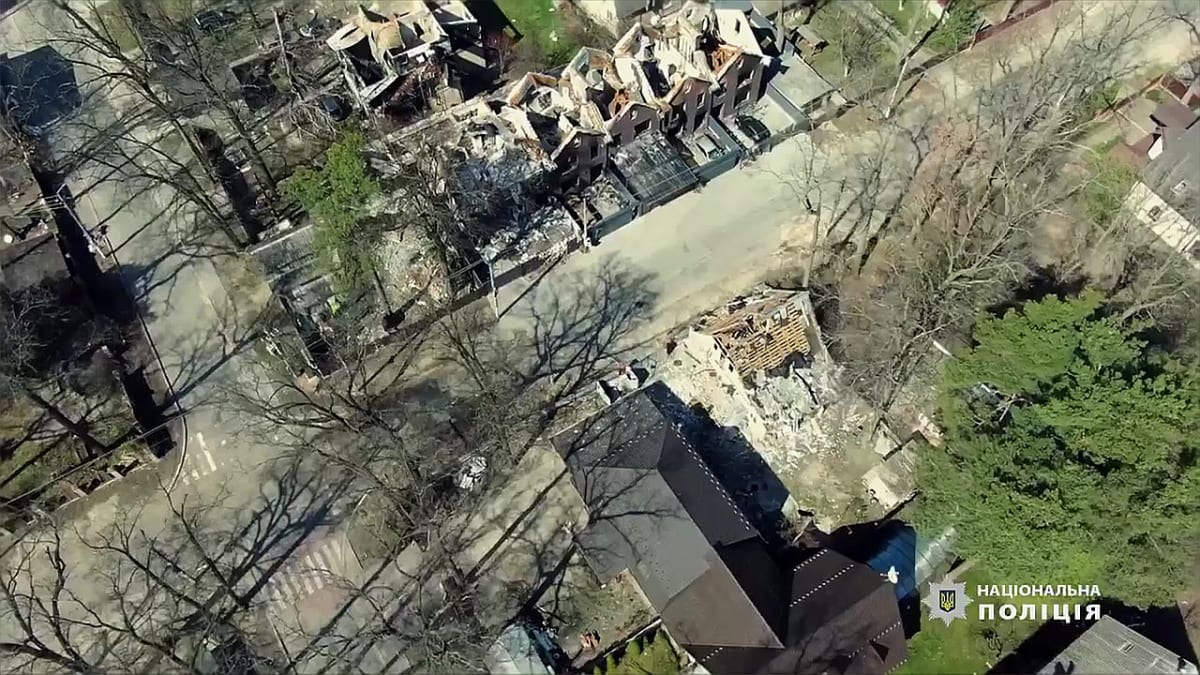
UN Reports 1,004 Cases of Sexual Violence in Ukraine War: A Grim Reality Across Ages

A Harrowing Snapshot of War‑time Atrocity

The United Nations has released a stark report documenting 1,004 confirmed cases of sexual violence linked to the ongoing conflict in Ukraine. Victims range from a four‑year‑old girl to an 82‑year‑old woman, underscoring that no age group is immune to this weapon of war. The data, compiled from NGOs, health facilities, and survivor testimonies, has quickly become a top‑search trend on Google, reflecting global concern and the urgent need for accountability.


The UN Findings: Numbers, Patterns, and Pain

  • 1,004 cases recorded since February 2022.
  • Age distribution: 4‑12 years (12%), 13‑30 years (38%), 31‑60 years (40%), 61‑82 years (10%).
  • Geographic hotspots: Donetsk, Luhansk, and Kherson regions, where frontline activity is intense.
  • Perpetrator profile: Predominantly armed combatants, with documented instances of both Russian and separatist forces.
  • Forms of abuse: Rape, sexual slavery, forced prostitution, and exploitation of minors for sexual purposes.

"Sexual violence is being used systematically to terrorise communities, break social fabric, and exert control," – UN Secretary‑General António Guterres.
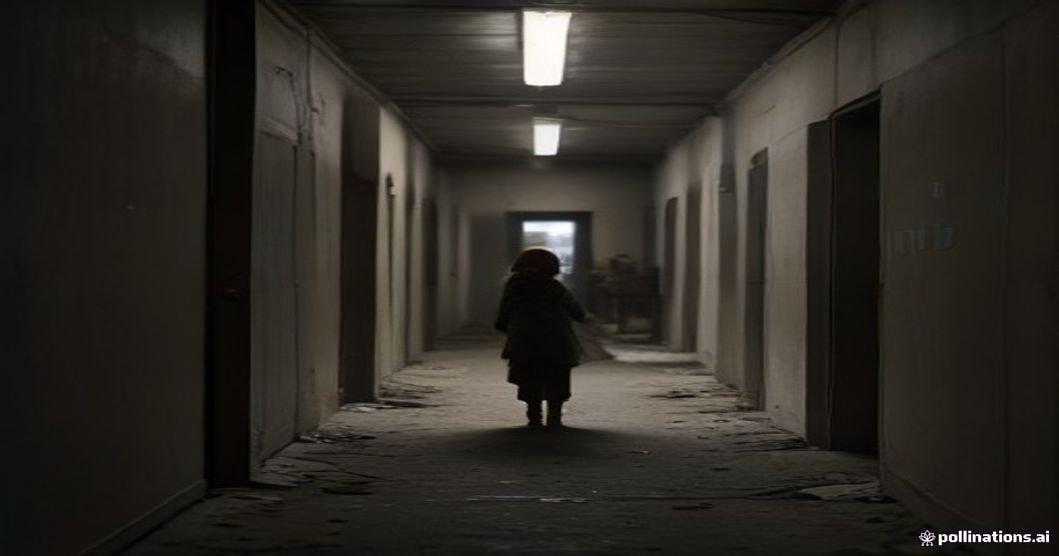
Ukrainian civilian shelter interior Ukrainian civilian shelter interior

Why This Story Is Surging on Google Trends

  1. Human‑rights alarm: The sheer scale and age spread trigger emotional responses worldwide.
  2. Media amplification: Major outlets (BBC, Al Jazeera, The New York Times) have run front‑page stories within hours of the UN release.
  3. Social media activism: Hashtags like #StopSexualViolenceInUkraine and #UNReport trend across Twitter and Instagram, driving search traffic.
  4. Policy implications: Nations are debating sanctions and legal mechanisms to prosecute war crimes, making the report a focal point for diplomatic discourse.

Historical Context: Sexual Violence as a Weapon of War

  • World War II: Systematic rape used by occupying forces in Eastern Europe.
  • Bosnian War (1992‑95): Estimated 20,000 women subjected to sexual assault, leading to the first International Criminal Tribunal convictions for rape as a war crime.
  • Recent conflicts: Syria, Myanmar, and the Democratic Republic of Congo have seen similar patterns, reinforcing the UN’s call for a global framework to protect civilians.

Voices from the Ground

  • “I was eight when soldiers forced me into a basement and assaulted me. They said it was ‘just part of the war.’” – Olena, 8, Donetsk
  • “Even after the fighting stops, the trauma lingers. My mother, 71, cannot sleep; she feels unsafe in her own home.” – Mykhailo, 45, Kherson

These testimonies illustrate the inter‑generational trauma that extends beyond the battlefield.

  • UN Security Council: Drafting a resolution to refer alleged perpetrators to the International Criminal Court (ICC).
  • European Union: Proposing a €1 billion fund for survivor support, medical care, and legal assistance.
  • Humanitarian NGOs: Expanding safe‑houses and hotlines across conflict zones; training local staff in trauma‑informed care.

Key Takeaways

  • The UN report quantifies a crisis that has long been whispered in refugee camps.
  • Age‑inclusive data highlights the pervasive nature of sexual violence.
  • Global attention is translating into policy debates, but implementation remains a challenge.

Looking Ahead: Prevention, Justice, and Healing

  1. Strengthening documentation: Deploying independent investigators to gather forensic evidence.
  2. Legal accountability: Ensuring that perpetrators face trials, either in national courts or at the ICC.
  3. Survivor‑centred services: Scaling up mental‑health programs, safe‑housing, and livelihood initiatives.
  4. Education and awareness: Community workshops to dismantle stigma and encourage reporting.

The path to justice is fraught, yet the UN’s detailed account provides a crucial foundation for lasting change. As the world watches, the collective response will determine whether these 1,004 cases become a catalyst for systemic reform or fade into the annals of forgotten wartime atrocities.


For further reading, explore the full UN report and follow ongoing updates on humanitarian interventions across Ukraine.


Original Reporting & Source: India Today Top Stories

Discussion (0)

Sign in to join the discussion.

No comments yet. Be the first to start the conversation!

| |

UN Reports 1,004 Cases of Sexual Violence in Ukraine War: A Grim Reality Across Ages

By Umang Sisodia • 4 min read • 6 views

A Harrowing Snapshot of War‑time Atrocity

The United Nations has released a stark report documenting 1,004 confirmed cases of sexual violence linked to the ongoing conflict in Ukraine. Victims range from a four‑year‑old girl to an 82‑year‑old woman, underscoring that no age group is immune to this weapon of war. The data, compiled from NGOs, health facilities, and survivor testimonies, has quickly become a top‑search trend on Google, reflecting global concern and the urgent need for accountability.


The UN Findings: Numbers, Patterns, and Pain

  • 1,004 cases recorded since February 2022.
  • Age distribution: 4‑12 years (12%), 13‑30 years (38%), 31‑60 years (40%), 61‑82 years (10%).
  • Geographic hotspots: Donetsk, Luhansk, and Kherson regions, where frontline activity is intense.
  • Perpetrator profile: Predominantly armed combatants, with documented instances of both Russian and separatist forces.
  • Forms of abuse: Rape, sexual slavery, forced prostitution, and exploitation of minors for sexual purposes.

"Sexual violence is being used systematically to terrorise communities, break social fabric, and exert control," – UN Secretary‑General António Guterres.

Ukrainian civilian shelter interior Ukrainian civilian shelter interior

Why This Story Is Surging on Google Trends

  1. Human‑rights alarm: The sheer scale and age spread trigger emotional responses worldwide.
  2. Media amplification: Major outlets (BBC, Al Jazeera, The New York Times) have run front‑page stories within hours of the UN release.
  3. Social media activism: Hashtags like #StopSexualViolenceInUkraine and #UNReport trend across Twitter and Instagram, driving search traffic.
  4. Policy implications: Nations are debating sanctions and legal mechanisms to prosecute war crimes, making the report a focal point for diplomatic discourse.

Historical Context: Sexual Violence as a Weapon of War

  • World War II: Systematic rape used by occupying forces in Eastern Europe.
  • Bosnian War (1992‑95): Estimated 20,000 women subjected to sexual assault, leading to the first International Criminal Tribunal convictions for rape as a war crime.
  • Recent conflicts: Syria, Myanmar, and the Democratic Republic of Congo have seen similar patterns, reinforcing the UN’s call for a global framework to protect civilians.

Voices from the Ground

  • “I was eight when soldiers forced me into a basement and assaulted me. They said it was ‘just part of the war.’” – Olena, 8, Donetsk
  • “Even after the fighting stops, the trauma lingers. My mother, 71, cannot sleep; she feels unsafe in her own home.” – Mykhailo, 45, Kherson

These testimonies illustrate the inter‑generational trauma that extends beyond the battlefield.

  • UN Security Council: Drafting a resolution to refer alleged perpetrators to the International Criminal Court (ICC).
  • European Union: Proposing a €1 billion fund for survivor support, medical care, and legal assistance.
  • Humanitarian NGOs: Expanding safe‑houses and hotlines across conflict zones; training local staff in trauma‑informed care.

Key Takeaways

  • The UN report quantifies a crisis that has long been whispered in refugee camps.
  • Age‑inclusive data highlights the pervasive nature of sexual violence.
  • Global attention is translating into policy debates, but implementation remains a challenge.

Looking Ahead: Prevention, Justice, and Healing

  1. Strengthening documentation: Deploying independent investigators to gather forensic evidence.
  2. Legal accountability: Ensuring that perpetrators face trials, either in national courts or at the ICC.
  3. Survivor‑centred services: Scaling up mental‑health programs, safe‑housing, and livelihood initiatives.
  4. Education and awareness: Community workshops to dismantle stigma and encourage reporting.

The path to justice is fraught, yet the UN’s detailed account provides a crucial foundation for lasting change. As the world watches, the collective response will determine whether these 1,004 cases become a catalyst for systemic reform or fade into the annals of forgotten wartime atrocities.


For further reading, explore the full UN report and follow ongoing updates on humanitarian interventions across Ukraine.


Original Reporting & Source: India Today Top Stories