Umang Sisodia • • 3 min read • 6 views
UK Refuels Saudi Jets Amid Houthi Threats: Red Sea Oil Routes at Risk
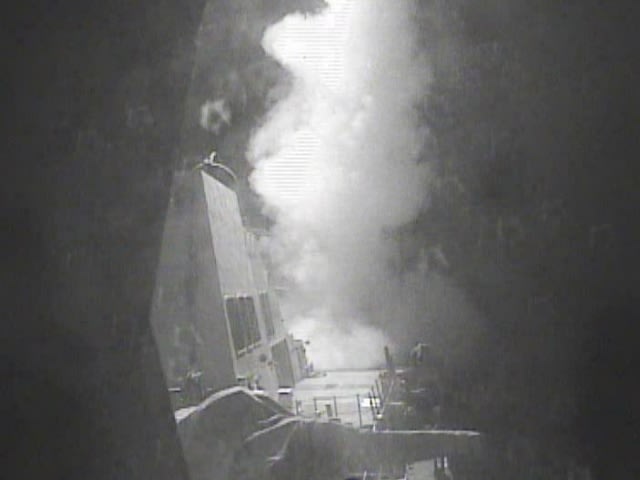
The Strategic Pivot
The United Kingdom has announced a new logistical partnership with Saudi Arabia: British air‑to‑air refuelling tankers will now service Saudi fighter jets operating over the Red Sea. The move comes as Houthi rebels in Yemen intensify missile and drone attacks on commercial shipping, threatening one of the world’s most vital oil corridors.
Why the Red Sea is a Flashpoint
- Oil flow: Roughly 8‑10 million barrels of crude pass daily through the Bab el‑Mandeb strait, a chokepoint that links the Persian Gulf to Europe and the United States.
- Houthi escalation: Since late 2023, the Iran‑aligned Houthi movement has launched over 200 anti‑ship missiles and unmanned aerial vehicles, sinking or damaging several merchant vessels.
- Global supply impact: Any prolonged disruption could push Brent crude above $100 per barrel, ripple through global fuel prices, and strain already‑tight supply chains.
"The safety of commercial navigation in the Red Sea is a shared responsibility. The UK stands ready to support our allies in preserving this critical artery," – British Defence Minister Ben Wallace.
UK’s Logistical Commitment
The Ministry of Defence confirmed that RAF Voyager KC2 aerial refuelling aircraft will be stationed at Al Dahir Air Base in Saudi Arabia. These tankers will provide in‑flight fuel to Saudi F‑15 Eagle and Eurofighter Typhoon jets conducting patrols and escort missions for merchant convoys.
Operational Details
- Deployment timeline: Initial squadron arrives by early October, with a full complement of four Voyagers operational by November.
- Rules of engagement: UK tankers will not engage in combat; they are limited to refuelling and logistical support under a bilateral agreement.
- Coordination hub: A joint command centre in Riyadh will synchronise flight plans, ensuring continuous aerial coverage of high‑risk zones.
 Red Sea shipping lane aerial view
Regional and Global Implications
The decision underscores a broader Western resolve to counter maritime insecurity in the Red Sea, complementing recent US Navy deployments and French naval patrols.
Future Scenarios
- Escalation containment: Continuous aerial refuelling extends the patrol radius of Saudi jets, potentially deterring Houthi missile launches.
- Diplomatic ripple: The partnership may pressure Iran to temper its support for the Houthis, opening a diplomatic back‑channel for de‑escalation.
- Supply chain resilience: By safeguarding the oil route, the UK helps stabilise global energy markets, protecting economies that rely on cheap Middle‑East crude.
Key Takeaways
- The UK‑Saudi refuelling pact is a direct response to the surge in Houthi attacks on Red Sea shipping.
- Aerial refuelling dramatically increases the endurance of Saudi combat aircraft, enhancing convoy protection.
- The move signals increased Western involvement in a region where maritime security is increasingly contested.
- Long‑term impact could include reduced oil price volatility and a possible diplomatic thaw with Iran, provided the security situation stabilises.
Stay tuned for live updates as the situation evolves and more details emerge from the frontlines of the Red Sea.
Original Reporting & Source: India Today Top Stories

Discussion (0)
Sign in to join the discussion.
No comments yet. Be the first to start the conversation!