Umang Sisodia • • 4 min read • 6 views

Handshake Fallout: Why Suchika Tariyal’s Refusal Sparked a Nationwide Debate
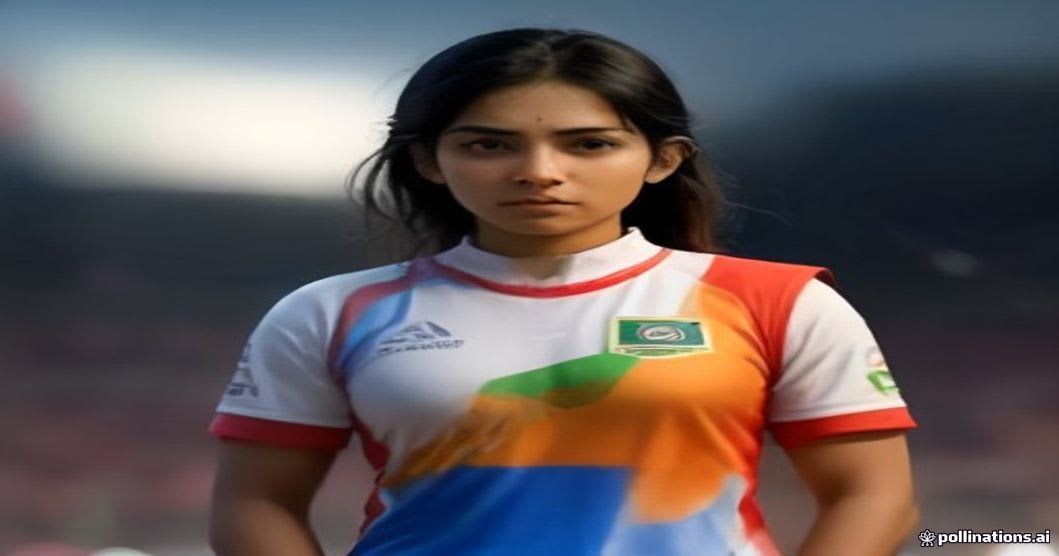
Handshake Fallout: Why Suchika Tariyal’s Refusal Sparked a Nationwide Debate

The Incident That Set Social Media Ablaze

During the Asian Games quarter‑finals, Indian athlete Suchika Tariyal suffered a heartbreaking defeat that ended her medal hopes. In the immediate aftermath, as officials and opponents approached for the customary post‑match handshake, Tariyal turned away, refusing to shake hands. The moment was captured on live television and quickly proliferated across platforms like Twitter, Instagram, and YouTube, triggering a storm of criticism and support.

"Sportsmanship is the soul of any competition. Refusing a handshake sends the wrong message to young athletes," – Former Indian Olympian.

The clip amassed over 2 million views within 12 hours, landing the story at the top of Google Trends under "handshake controversy" and "Suchika Tariyal".

Why the Story Went Viral

  • Cultural Sensitivity – In India, the handshake is seen as a sign of respect. A public refusal during a high‑profile event feels like a personal affront.
  • Social Media Amplification – Influencers, sports analysts, and political commentators weighed in, turning a single incident into a nationwide conversation.
  • Timing – The Asian Games are a major regional spectacle, and any controversy during the event attracts intense media scrutiny.
Indian team bench emotional reaction Indian team bench emotional reaction

Background: Handshakes in International Sport

Historically, the handshake ceremony has been a symbol of fair play. From the Olympics to the Commonwealth Games, athletes exchange handshakes or bows to acknowledge each other's effort. However, recent years have seen exceptions due to health concerns (COVID‑19) and political tensions.

Recent Precedents

  • 2021 Tokyo Olympics – Several athletes skipped handshakes over COVID‑19 fears.
  • 2022 Commonwealth Games – A Pakistani boxer refused a handshake with an Indian opponent, sparking diplomatic comments.

These incidents illustrate that while the gesture is rooted in tradition, its interpretation can shift based on context.

The Public Reaction: A Split Verdict

Critics

  • Sports Purists argue that Tariyal’s action undermines the spirit of competition.
  • Political Figures have called for disciplinary action, citing national image concerns.

Defenders

  • Some mental‑health advocates point out the emotional toll of a crushing loss, suggesting that the handshake request may have felt like a forced display of composure.
  • A segment of fans praised Tariyal for staying true to her feelings, calling the backlash "excessive".

Potential Consequences for the Athlete and Indian Sports

  1. Disciplinary Review – The Indian Olympic Association (IOA) may open an inquiry, which could result in a warning or a fine.
  2. Sponsorship Impact – Brands often distance themselves from controversy; Tariyal could face a reassessment of endorsement deals.
  3. Policy Revision – The IOA might issue new guidelines on post‑match protocols, perhaps allowing athletes to opt‑out under certain circumstances.

Looking Ahead: Lessons for Future Competitions

  • Clear Communication – Event organizers should brief athletes on handshake expectations and alternatives.
  • Mental‑Health Support – Providing counseling before and after high‑pressure matches could reduce impulsive reactions.
  • Cultural Sensitivity Training – Educating athletes on the symbolic weight of gestures can help navigate cross‑cultural expectations.

"A single handshake should never outweigh an athlete's mental well‑being. The sport must evolve to protect both," – Sports psychologist Dr. Meera Joshi.

Key Takeaways

  • Suchika Tariyal’s refusal sparked a nationwide debate on sportsmanship versus mental health.
  • The incident highlights the fragile balance between tradition and modern pressures in international sport.
  • Future policies may need to accommodate athlete welfare while preserving the spirit of fair play.

Stay tuned for updates on the IOA’s decision and the broader conversation around athlete rights in India.


Original Reporting & Source: India Today Top Stories

Discussion (0)

Sign in to join the discussion.

No comments yet. Be the first to start the conversation!

| |

Handshake Fallout: Why Suchika Tariyal’s Refusal Sparked a Nationwide Debate

By Umang Sisodia • 4 min read • 6 views

The Incident That Set Social Media Ablaze

During the Asian Games quarter‑finals, Indian athlete Suchika Tariyal suffered a heartbreaking defeat that ended her medal hopes. In the immediate aftermath, as officials and opponents approached for the customary post‑match handshake, Tariyal turned away, refusing to shake hands. The moment was captured on live television and quickly proliferated across platforms like Twitter, Instagram, and YouTube, triggering a storm of criticism and support.

"Sportsmanship is the soul of any competition. Refusing a handshake sends the wrong message to young athletes," – Former Indian Olympian.

The clip amassed over 2 million views within 12 hours, landing the story at the top of Google Trends under "handshake controversy" and "Suchika Tariyal".

Why the Story Went Viral

  • Cultural Sensitivity – In India, the handshake is seen as a sign of respect. A public refusal during a high‑profile event feels like a personal affront.
  • Social Media Amplification – Influencers, sports analysts, and political commentators weighed in, turning a single incident into a nationwide conversation.
  • Timing – The Asian Games are a major regional spectacle, and any controversy during the event attracts intense media scrutiny.

Indian team bench emotional reaction Indian team bench emotional reaction

Background: Handshakes in International Sport

Historically, the handshake ceremony has been a symbol of fair play. From the Olympics to the Commonwealth Games, athletes exchange handshakes or bows to acknowledge each other's effort. However, recent years have seen exceptions due to health concerns (COVID‑19) and political tensions.

Recent Precedents

  • 2021 Tokyo Olympics – Several athletes skipped handshakes over COVID‑19 fears.
  • 2022 Commonwealth Games – A Pakistani boxer refused a handshake with an Indian opponent, sparking diplomatic comments.

These incidents illustrate that while the gesture is rooted in tradition, its interpretation can shift based on context.

The Public Reaction: A Split Verdict

Critics

  • Sports Purists argue that Tariyal’s action undermines the spirit of competition.
  • Political Figures have called for disciplinary action, citing national image concerns.

Defenders

  • Some mental‑health advocates point out the emotional toll of a crushing loss, suggesting that the handshake request may have felt like a forced display of composure.
  • A segment of fans praised Tariyal for staying true to her feelings, calling the backlash "excessive".

Potential Consequences for the Athlete and Indian Sports

  1. Disciplinary Review – The Indian Olympic Association (IOA) may open an inquiry, which could result in a warning or a fine.
  2. Sponsorship Impact – Brands often distance themselves from controversy; Tariyal could face a reassessment of endorsement deals.
  3. Policy Revision – The IOA might issue new guidelines on post‑match protocols, perhaps allowing athletes to opt‑out under certain circumstances.

Looking Ahead: Lessons for Future Competitions

  • Clear Communication – Event organizers should brief athletes on handshake expectations and alternatives.
  • Mental‑Health Support – Providing counseling before and after high‑pressure matches could reduce impulsive reactions.
  • Cultural Sensitivity Training – Educating athletes on the symbolic weight of gestures can help navigate cross‑cultural expectations.

"A single handshake should never outweigh an athlete's mental well‑being. The sport must evolve to protect both," – Sports psychologist Dr. Meera Joshi.

Key Takeaways

  • Suchika Tariyal’s refusal sparked a nationwide debate on sportsmanship versus mental health.
  • The incident highlights the fragile balance between tradition and modern pressures in international sport.
  • Future policies may need to accommodate athlete welfare while preserving the spirit of fair play.

Stay tuned for updates on the IOA’s decision and the broader conversation around athlete rights in India.


Original Reporting & Source: India Today Top Stories