Umang Sisodia • • 3 min read • 3 views

US Senate Blocks Move to Pause Trump's Iran Conflict as Oil Prices Surge
US Senate Blocks Move to Pause Trump's Iran Conflict as Oil Prices Surge

Senate Vote Stalls Pause on Iran Conflict

The United States Senate rejected a bipartisan amendment aimed at halting President Donald Trump's aggressive posture toward Iran, a move that has ignited fierce debate on Capitol Hill and sent shockwaves through global energy markets. The vote, recorded on a crisp Wednesday morning, saw a 55-45 split, with key swing‑state senators siding with the administration despite mounting pressure from both sides of the aisle.

Background

Since the U.S. withdrew from the 2015 Iran nuclear deal in 2018, tensions have escalated, culminating in a series of sanctions and military posturing. In recent weeks, President Trump announced a potential new strike plan, citing alleged Iranian provocations in the Persian Gulf. Critics argued that such a move could destabilize the region and trigger a broader conflict.

Why the Vote Matters

  • Geopolitical stakes – A pause could have opened diplomatic channels, possibly averting a direct clash.
  • Economic ripple effects – Iran is a major oil exporter; any escalation threatens supply chains.
  • Domestic politics – Senators faced a dilemma: supporting national security narratives versus responding to constituent concerns over rising fuel costs.

"The Senate must balance the urgency of national security with the very real economic pain Americans are feeling at the pump," said Senator Maria Cantwell (D‑WA) during a post‑vote press briefing.

Market Reaction

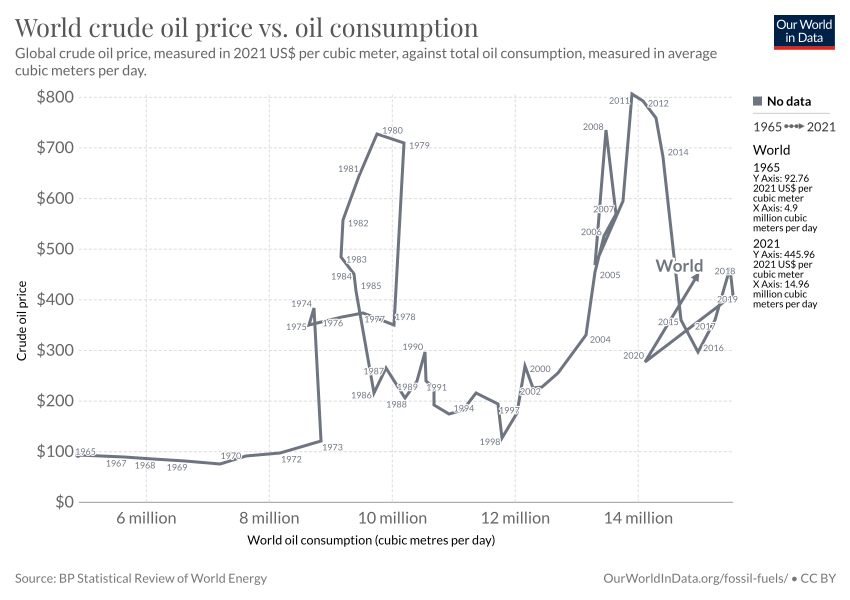
The immediate aftermath saw oil futures surge by over $5 per barrel, pushing Brent Crude past the $90 mark for the first time in months. Analysts attribute the spike to:

  1. Supply‑risk premium – Investors pricing in potential disruptions to Iranian oil exports.
  2. Speculative trading – Hedge funds capitalising on volatility.
  3. Currency fluctuations – The dollar’s modest dip further buoyed commodity prices.

The price backlash has reignited public outcry, with consumer advocacy groups organising rallies outside Capitol Hill, demanding legislative action to curb what they describe as "energy profiteering".
global oil price chart global oil price chart

What’s Next?

The Senate’s decision does not close the door on diplomatic efforts. Several foreign policy think‑tanks propose a multilateral framework involving the European Union and the Gulf Cooperation Council to de‑escalate tensions. Meanwhile, the U.S. Treasury is expected to release a new sanctions package targeting Iranian oil revenue streams, a move that could further tighten global supply.

Potential scenarios:

  • Escalation: A limited strike could trigger retaliatory actions, pushing oil prices above $100 per barrel.
  • Diplomatic thaw: Back‑channel negotiations might lead to a cease‑fire agreement, stabilising markets within weeks.
  • Legislative compromise: A future amendment could introduce conditional sanctions relief tied to verification mechanisms.

Key Takeaways

  • The Senate’s rejection underscores the political complexity of intervening in the Middle East.
  • Oil markets have reacted sharply, highlighting the interconnectedness of geopolitics and everyday consumer costs.
  • Future policy will likely hinge on a blend of diplomatic outreach and strategic economic tools.

Stay tuned for live updates as the situation evolves, and explore our in‑depth analysis of how this development could reshape global energy dynamics.


Original Reporting & Source: India Today Top Stories

Discussion (0)

Sign in to join the discussion.

No comments yet. Be the first to start the conversation!

| |

US Senate Blocks Move to Pause Trump's Iran Conflict as Oil Prices Surge

By Umang Sisodia • 3 min read • 3 views

Senate Vote Stalls Pause on Iran Conflict

The United States Senate rejected a bipartisan amendment aimed at halting President Donald Trump's aggressive posture toward Iran, a move that has ignited fierce debate on Capitol Hill and sent shockwaves through global energy markets. The vote, recorded on a crisp Wednesday morning, saw a 55-45 split, with key swing‑state senators siding with the administration despite mounting pressure from both sides of the aisle.

Background

Since the U.S. withdrew from the 2015 Iran nuclear deal in 2018, tensions have escalated, culminating in a series of sanctions and military posturing. In recent weeks, President Trump announced a potential new strike plan, citing alleged Iranian provocations in the Persian Gulf. Critics argued that such a move could destabilize the region and trigger a broader conflict.

Why the Vote Matters

  • Geopolitical stakes – A pause could have opened diplomatic channels, possibly averting a direct clash.
  • Economic ripple effects – Iran is a major oil exporter; any escalation threatens supply chains.
  • Domestic politics – Senators faced a dilemma: supporting national security narratives versus responding to constituent concerns over rising fuel costs.

"The Senate must balance the urgency of national security with the very real economic pain Americans are feeling at the pump," said Senator Maria Cantwell (D‑WA) during a post‑vote press briefing.

Market Reaction

The immediate aftermath saw oil futures surge by over $5 per barrel, pushing Brent Crude past the $90 mark for the first time in months. Analysts attribute the spike to:

  1. Supply‑risk premium – Investors pricing in potential disruptions to Iranian oil exports.
  2. Speculative trading – Hedge funds capitalising on volatility.
  3. Currency fluctuations – The dollar’s modest dip further buoyed commodity prices.

The price backlash has reignited public outcry, with consumer advocacy groups organising rallies outside Capitol Hill, demanding legislative action to curb what they describe as "energy profiteering".

global oil price chart global oil price chart

What’s Next?

The Senate’s decision does not close the door on diplomatic efforts. Several foreign policy think‑tanks propose a multilateral framework involving the European Union and the Gulf Cooperation Council to de‑escalate tensions. Meanwhile, the U.S. Treasury is expected to release a new sanctions package targeting Iranian oil revenue streams, a move that could further tighten global supply.

Potential scenarios:

  • Escalation: A limited strike could trigger retaliatory actions, pushing oil prices above $100 per barrel.
  • Diplomatic thaw: Back‑channel negotiations might lead to a cease‑fire agreement, stabilising markets within weeks.
  • Legislative compromise: A future amendment could introduce conditional sanctions relief tied to verification mechanisms.

Key Takeaways

  • The Senate’s rejection underscores the political complexity of intervening in the Middle East.
  • Oil markets have reacted sharply, highlighting the interconnectedness of geopolitics and everyday consumer costs.
  • Future policy will likely hinge on a blend of diplomatic outreach and strategic economic tools.

Stay tuned for live updates as the situation evolves, and explore our in‑depth analysis of how this development could reshape global energy dynamics.


Original Reporting & Source: India Today Top Stories