Umang Sisodia • • 4 min read • 2 views

Kerala’s Bus Race: 10‑Minute Gaps Prompt GPS Crackdown from Nov 1
Kerala’s Bus Race: 10‑Minute Gaps Prompt GPS Crackdown from Nov 1

The Surge in Bus Competition Across Kerala

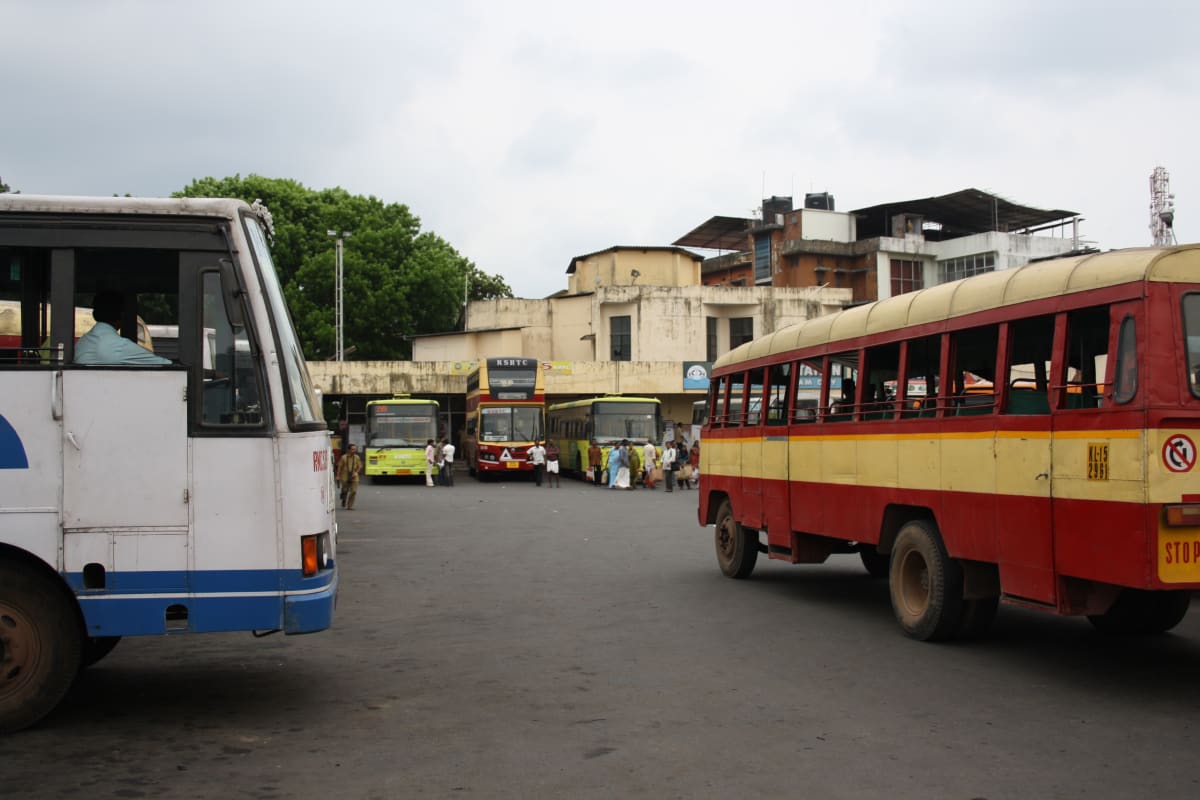
In the past few weeks, commuters in Kerala have been witnessing a new kind of road drama – buses racing each other to shave off minutes from their scheduled runs. The phenomenon, popularly dubbed matsarayottam (competitive sprint), has led to a startling 10‑minute gap between successive services on many popular routes. Search spikes on Google Trends for the Malayalam term "ബസ്" (bus) reflect growing public concern, as riders report erratic arrivals, overcrowded vehicles and a palpable sense of urgency among drivers.

Why the 10‑Minute Gap Matters

  • Passenger safety: Drivers push engines to higher revs, increasing the risk of accidents on Kerala’s winding hill roads.
  • Service reliability: When one bus arrives early, the next is forced to wait, creating a ripple effect that disrupts the entire timetable.
  • Economic pressure: Bus owners claim that tighter schedules are a response to rising fuel costs and competition from private operators.

"We cannot afford to lose even a few minutes; otherwise, passengers switch to other services," says a veteran bus owner from Kozhikode, speaking on condition of anonymity.

The Root Causes Behind the Race

Kerala’s public transport ecosystem is a blend of state‑run KSRTC buses, private operators, and a growing number of app‑based shuttle services. Recent policy shifts – such as fare revisions and the introduction of low‑emission vehicles – have intensified competition. Moreover, the holiday season has seen a surge in tourist inflow, prompting operators to tighten schedules to capture a larger share of the market.

Technological Gaps and Manual Timetabling

Many operators still rely on paper‑based timetables and manual logbooks. Without real‑time tracking, drivers often make gut‑based decisions about speed and overtaking. This lack of transparency fuels the competitive sprint, as each driver tries to out‑pace the one ahead to secure a higher fare share.
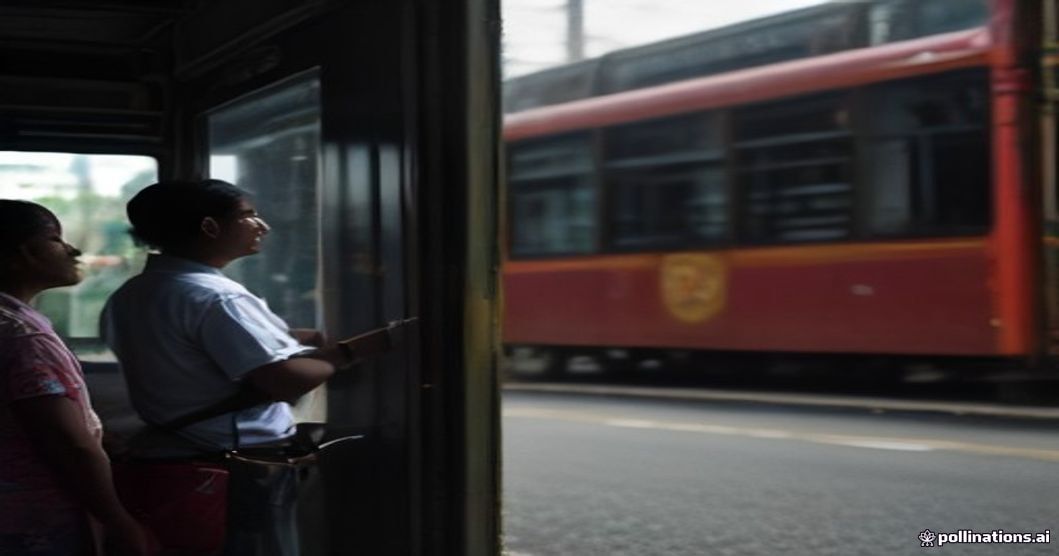
Kerala bus driver checking timetable Kerala bus driver checking timetable

Government’s GPS Intervention

In response to mounting complaints, the Kerala Transport Department announced a sweeping GPS‑monitoring mandate effective 1 November. Starting from that date, all state‑run and private buses operating on major inter‑city routes must install GPS devices approved by the department. The system will enforce strict time‑window compliance, automatically flagging buses that arrive too early or too late.

Key points of the policy:

  • Fixed time slots: Each route will have a predefined 5‑minute window; deviations beyond this will trigger penalties.
  • Real‑time dashboards: Central control rooms will monitor bus locations live, enabling swift corrective action.
  • Penalty structure: Repeated violations could lead to fines up to ₹5,000 per incident and temporary suspension of the vehicle’s permit.

Anticipated Impact

Experts believe the GPS rollout will restore order on the roads. By providing transparent data, it discourages reckless racing and encourages operators to stick to realistic schedules. However, critics warn that the enforcement machinery must be robust; otherwise, operators may find ways to tamper with the devices.

"Technology alone cannot solve the problem; we need a cultural shift among drivers and owners," notes Dr. Anil Kumar, a transport policy analyst at the Indian Institute of Public Administration.

Looking Ahead: A More Predictable Commute?

If implemented effectively, the GPS mandate could usher in a new era of punctuality for Kerala’s bus network. Passengers would benefit from reliable arrival times, reduced crowding, and safer journeys. For bus owners, the system offers data‑driven insights to optimise routes and fuel consumption, potentially offsetting the cost of the new hardware.

Nevertheless, the transition will require training for drivers, clear communication of the new rules, and a transparent grievance redressal mechanism. As Kerala moves towards this tech‑enabled future, the hope is that matsarayottam will become a thing of the past, replaced by a smoother, more dependable ride for everyone.


Key Takeaways

  • A 10‑minute gap between buses sparked public outcry and trending searches.
  • Competition among operators, manual timetabling, and holiday demand are core drivers.
  • From 1 Nov, mandatory GPS tracking will enforce strict time windows.
  • Successful implementation hinges on enforcement, driver training, and public awareness.

Stay tuned for updates as the GPS rollout unfolds across Kerala’s highways.


Original Reporting & Source: Google Trends (India)

Discussion (0)

Sign in to join the discussion.

No comments yet. Be the first to start the conversation!

| |

Kerala’s Bus Race: 10‑Minute Gaps Prompt GPS Crackdown from Nov 1

By Umang Sisodia • 4 min read • 2 views

The Surge in Bus Competition Across Kerala

In the past few weeks, commuters in Kerala have been witnessing a new kind of road drama – buses racing each other to shave off minutes from their scheduled runs. The phenomenon, popularly dubbed matsarayottam (competitive sprint), has led to a startling 10‑minute gap between successive services on many popular routes. Search spikes on Google Trends for the Malayalam term "ബസ്" (bus) reflect growing public concern, as riders report erratic arrivals, overcrowded vehicles and a palpable sense of urgency among drivers.

Why the 10‑Minute Gap Matters

  • Passenger safety: Drivers push engines to higher revs, increasing the risk of accidents on Kerala’s winding hill roads.
  • Service reliability: When one bus arrives early, the next is forced to wait, creating a ripple effect that disrupts the entire timetable.
  • Economic pressure: Bus owners claim that tighter schedules are a response to rising fuel costs and competition from private operators.

"We cannot afford to lose even a few minutes; otherwise, passengers switch to other services," says a veteran bus owner from Kozhikode, speaking on condition of anonymity.

The Root Causes Behind the Race

Kerala’s public transport ecosystem is a blend of state‑run KSRTC buses, private operators, and a growing number of app‑based shuttle services. Recent policy shifts – such as fare revisions and the introduction of low‑emission vehicles – have intensified competition. Moreover, the holiday season has seen a surge in tourist inflow, prompting operators to tighten schedules to capture a larger share of the market.

Technological Gaps and Manual Timetabling

Many operators still rely on paper‑based timetables and manual logbooks. Without real‑time tracking, drivers often make gut‑based decisions about speed and overtaking. This lack of transparency fuels the competitive sprint, as each driver tries to out‑pace the one ahead to secure a higher fare share.

Kerala bus driver checking timetable Kerala bus driver checking timetable

Government’s GPS Intervention

In response to mounting complaints, the Kerala Transport Department announced a sweeping GPS‑monitoring mandate effective 1 November. Starting from that date, all state‑run and private buses operating on major inter‑city routes must install GPS devices approved by the department. The system will enforce strict time‑window compliance, automatically flagging buses that arrive too early or too late.

Key points of the policy:

  • Fixed time slots: Each route will have a predefined 5‑minute window; deviations beyond this will trigger penalties.
  • Real‑time dashboards: Central control rooms will monitor bus locations live, enabling swift corrective action.
  • Penalty structure: Repeated violations could lead to fines up to ₹5,000 per incident and temporary suspension of the vehicle’s permit.

Anticipated Impact

Experts believe the GPS rollout will restore order on the roads. By providing transparent data, it discourages reckless racing and encourages operators to stick to realistic schedules. However, critics warn that the enforcement machinery must be robust; otherwise, operators may find ways to tamper with the devices.

"Technology alone cannot solve the problem; we need a cultural shift among drivers and owners," notes Dr. Anil Kumar, a transport policy analyst at the Indian Institute of Public Administration.

Looking Ahead: A More Predictable Commute?

If implemented effectively, the GPS mandate could usher in a new era of punctuality for Kerala’s bus network. Passengers would benefit from reliable arrival times, reduced crowding, and safer journeys. For bus owners, the system offers data‑driven insights to optimise routes and fuel consumption, potentially offsetting the cost of the new hardware.

Nevertheless, the transition will require training for drivers, clear communication of the new rules, and a transparent grievance redressal mechanism. As Kerala moves towards this tech‑enabled future, the hope is that matsarayottam will become a thing of the past, replaced by a smoother, more dependable ride for everyone.


Key Takeaways

  • A 10‑minute gap between buses sparked public outcry and trending searches.
  • Competition among operators, manual timetabling, and holiday demand are core drivers.
  • From 1 Nov, mandatory GPS tracking will enforce strict time windows.
  • Successful implementation hinges on enforcement, driver training, and public awareness.

Stay tuned for updates as the GPS rollout unfolds across Kerala’s highways.


Original Reporting & Source: Google Trends (India)