Umang Sisodia • • 3 min read • 3 views

Kolkata Film Institute Clash: Students Rally Against Consumer Group Event
Kolkata Film Institute Clash: Students Rally Against Consumer Group Event

The Flashpoint: What Happened

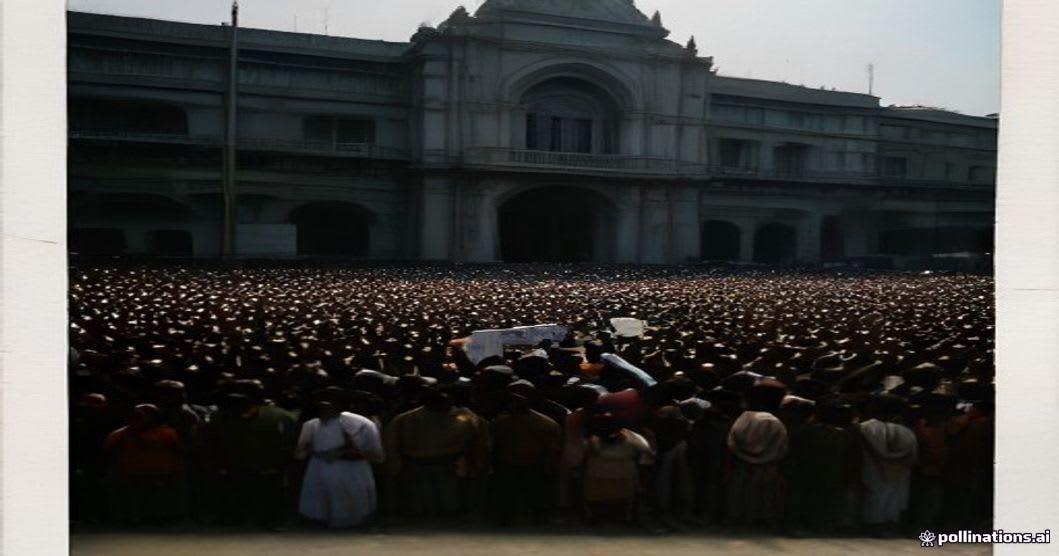
On September 26, 2026, a heated confrontation erupted at the prestigious Satyajit Ray Film and Television Institute (SRFTI) in Kolkata. The institute had opened its campus for a high‑profile consumer‑rights workshop organized by the Consumer Advocacy Forum (CAF). A sizable contingent of film students, backed by alumni, stormed the auditorium, accusing the group of commercializing academic space and distracting from creative curricula. Police were called in, leading to a brief but intense scuffle that resulted in several arrests and the suspension of the event.

Why the Protest Ignited

The incident quickly surged on Google Trends and dominated news wires for three reasons:

  • Timing – The protest coincided with the release of a controversial documentary on consumerism that many students were slated to screen later that week.
  • Symbolism – SRFTI, named after legendary filmmaker Satyajit Ray, is seen as a bastion of artistic independence. Any perceived intrusion by a corporate‑linked body is amplified.
  • Social Media Amplification – Live‑stream clips posted on Instagram Reels and X (formerly Twitter) amassed over 2 million views within hours, prompting national outlets like India Today and The Quint Voices to pick up the story.

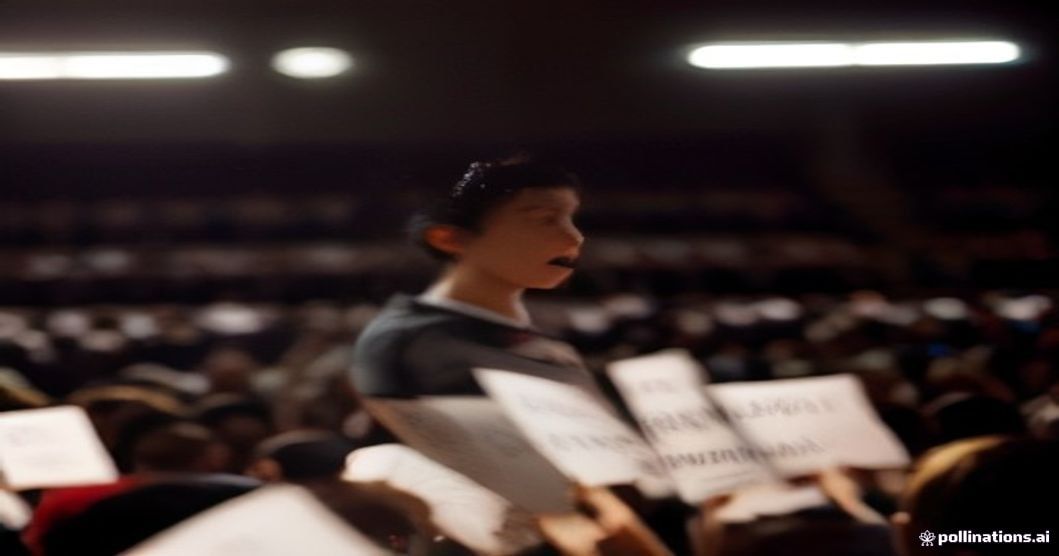
"Our campus is a creative sanctuary, not a marketplace for corporate agendas," shouted Maya Dutta, a third‑year directing student, as she led the chant.
Kolkata campus crowd protest Kolkata campus crowd protest

Roots of Student Dissent

While the CAF event was the immediate trigger, deeper grievances have been simmering:

  • Curriculum Concerns – Students argue that recent syllabus revisions prioritize industry‑ready skills over experimental filmmaking, eroding Ray’s legacy of artistic freedom.
  • Funding Transparency – The institute receives a significant portion of its budget from private donors. Many fear that such funding comes with strings attached, compromising academic autonomy.
  • Campus Culture Shift – A surge in corporate-sponsored festivals and brand activations on campus over the past two years has altered the ambience, leading to a perception that the institute is selling out.

Ripple Effects and What Lies Ahead

The fallout from the clash is likely to reshape the Indian film education landscape:

  1. Policy Review – The Ministry of Information & Broadcasting has announced a committee to examine the use of academic spaces for external events.
  2. Student Union Mobilization – Several film schools across the country, including FTII Pune and Whistling Woods, have expressed solidarity, hinting at coordinated protests.
  3. Consumer Group Recalibration – CAF has issued a statement promising to re‑evaluate its outreach strategy, emphasizing collaboration rather than commandeering.
  4. Legal Precedents – The arrests have sparked debates on the right to peaceful assembly within educational institutions, potentially leading to judicial scrutiny.

Potential Long‑Term Impact

  • Reassertion of Artistic Autonomy – If the movement gains traction, we may see stricter regulations protecting creative institutions from commercial encroachment.
  • Shift in Funding Models – Universities might explore public‑private partnership frameworks that safeguard curricular independence.
  • Media Narrative Evolution – The incident underscores the power of student activism in shaping public discourse, especially when amplified through digital platforms.

Key Takeaways

  • The SRFTI clash is a flashpoint reflecting broader tensions between artistic integrity and commercial interests in India's cultural sector.
  • Rapid social‑media dissemination turned a localized dispute into a national conversation.
  • Upcoming policy reviews and student solidarity actions could redefine how educational spaces interact with external organizations.

Stay tuned for further updates as the story unfolds and the reverberations are felt across the country's film fraternity.


Original Reporting & Source: India Today Top Stories

Discussion (0)

Sign in to join the discussion.

No comments yet. Be the first to start the conversation!

| |

Kolkata Film Institute Clash: Students Rally Against Consumer Group Event

By Umang Sisodia • 3 min read • 3 views

The Flashpoint: What Happened

On September 26, 2026, a heated confrontation erupted at the prestigious Satyajit Ray Film and Television Institute (SRFTI) in Kolkata. The institute had opened its campus for a high‑profile consumer‑rights workshop organized by the Consumer Advocacy Forum (CAF). A sizable contingent of film students, backed by alumni, stormed the auditorium, accusing the group of commercializing academic space and distracting from creative curricula. Police were called in, leading to a brief but intense scuffle that resulted in several arrests and the suspension of the event.

Why the Protest Ignited

The incident quickly surged on Google Trends and dominated news wires for three reasons:

  • Timing – The protest coincided with the release of a controversial documentary on consumerism that many students were slated to screen later that week.
  • Symbolism – SRFTI, named after legendary filmmaker Satyajit Ray, is seen as a bastion of artistic independence. Any perceived intrusion by a corporate‑linked body is amplified.
  • Social Media Amplification – Live‑stream clips posted on Instagram Reels and X (formerly Twitter) amassed over 2 million views within hours, prompting national outlets like India Today and The Quint Voices to pick up the story.

"Our campus is a creative sanctuary, not a marketplace for corporate agendas," shouted Maya Dutta, a third‑year directing student, as she led the chant.

Kolkata campus crowd protest Kolkata campus crowd protest

Roots of Student Dissent

While the CAF event was the immediate trigger, deeper grievances have been simmering:

  • Curriculum Concerns – Students argue that recent syllabus revisions prioritize industry‑ready skills over experimental filmmaking, eroding Ray’s legacy of artistic freedom.
  • Funding Transparency – The institute receives a significant portion of its budget from private donors. Many fear that such funding comes with strings attached, compromising academic autonomy.
  • Campus Culture Shift – A surge in corporate-sponsored festivals and brand activations on campus over the past two years has altered the ambience, leading to a perception that the institute is selling out.

Ripple Effects and What Lies Ahead

The fallout from the clash is likely to reshape the Indian film education landscape:

  1. Policy Review – The Ministry of Information & Broadcasting has announced a committee to examine the use of academic spaces for external events.
  2. Student Union Mobilization – Several film schools across the country, including FTII Pune and Whistling Woods, have expressed solidarity, hinting at coordinated protests.
  3. Consumer Group Recalibration – CAF has issued a statement promising to re‑evaluate its outreach strategy, emphasizing collaboration rather than commandeering.
  4. Legal Precedents – The arrests have sparked debates on the right to peaceful assembly within educational institutions, potentially leading to judicial scrutiny.

Potential Long‑Term Impact

  • Reassertion of Artistic Autonomy – If the movement gains traction, we may see stricter regulations protecting creative institutions from commercial encroachment.
  • Shift in Funding Models – Universities might explore public‑private partnership frameworks that safeguard curricular independence.
  • Media Narrative Evolution – The incident underscores the power of student activism in shaping public discourse, especially when amplified through digital platforms.

Key Takeaways

  • The SRFTI clash is a flashpoint reflecting broader tensions between artistic integrity and commercial interests in India's cultural sector.
  • Rapid social‑media dissemination turned a localized dispute into a national conversation.
  • Upcoming policy reviews and student solidarity actions could redefine how educational spaces interact with external organizations.

Stay tuned for further updates as the story unfolds and the reverberations are felt across the country's film fraternity.


Original Reporting & Source: India Today Top Stories