Umang Sisodia • • 3 min read • 2 views

Delhi’s Parks in the Dark: Only 16 CCTV‑Equipped, 520 Lacking Lights
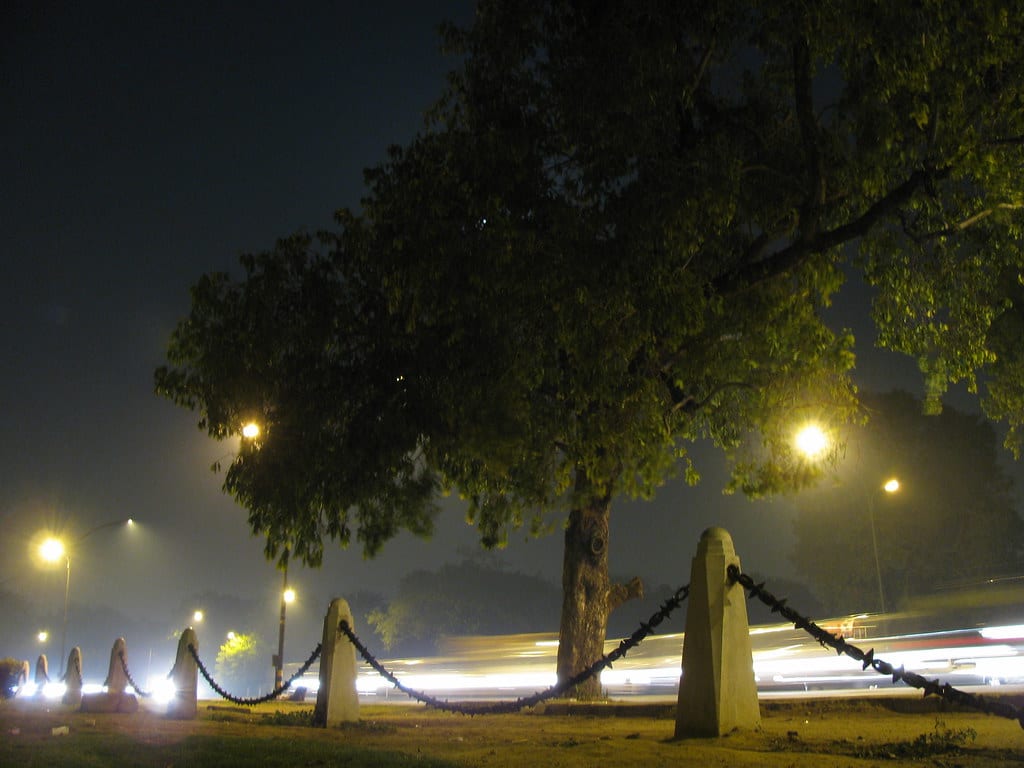
Delhi’s Parks in the Dark: Only 16 CCTV‑Equipped, 520 Lacking Lights

The Shocking Audit Findings

A recent audit released by the Delhi government has pulled back the curtain on the state of the capital’s green spaces. Out of 736 parks, only 16 are equipped with functional CCTV cameras, and a staggering 520 parks lack adequate lighting. The report, first picked up by India Today, quickly trended on Google as citizens and urban planners alike questioned the safety of these public spaces.

CCTV Coverage

  • Total parks surveyed: 736
  • Parks with operational CCTV: 16 (≈2.2%)
  • Parks with no surveillance: 720

Lighting Deficit

  • Parks needing additional lighting: 520
  • Parks meeting illumination standards: 216
  • Average number of functional lamp posts per park: 4.3

"Public parks are meant to be safe havens for families, seniors, and children. The current surveillance and lighting gaps are unacceptable," said Deputy Commissioner of Delhi Police, Anil Kumar.

Why This Matters Now

The audit coincides with a series of incidents reported from poorly lit parks, ranging from petty theft to more serious assaults. Social media users have been sharing videos of dimly lit pathways, prompting a wave of #DelhiParksSafety tweets that pushed the story onto Google Trends.

Delhi park visitors at dusk Delhi park visitors at dusk

Historical Context of Delhi’s Green Spaces

Delhi’s parks were originally designed in the 1960s‑70s as breathing lungs for a rapidly expanding metropolis. Over the decades, rapid urbanisation, budget reallocations, and maintenance lapses have eroded the original vision. While the city now boasts over 1,200 hectares of parkland, the infrastructure lag—especially in security and lighting—has become increasingly evident.

The Road Ahead: Policy & Public Safety

Experts suggest a three‑pronged approach:

  1. Accelerated CCTV rollout – Prioritise high‑traffic parks and install AI‑enabled cameras that can alert authorities in real time.
  2. Smart lighting solutions – Deploy solar‑powered LED lamps with motion sensors to conserve energy while improving safety.
  3. Community watchdog programs – Encourage local resident associations to partner with municipal bodies for regular audits.

If implemented, these measures could reduce park‑related crimes by up to 30%, according to a study by the Indian Institute of Public Policy.

Key Takeaways

  • Only 2% of Delhi’s parks are under video surveillance.
  • More than 70% lack sufficient lighting, posing safety risks.
  • Immediate policy action and community involvement are essential to transform parks into truly safe public spaces.

The audit serves as a wake‑up call for the city’s administrators. As Delhi continues to grow, the safety and accessibility of its parks will be a litmus test for urban governance in the capital.


Original Reporting & Source: India Today Top Stories

Discussion (0)

Sign in to join the discussion.

No comments yet. Be the first to start the conversation!

| |

Delhi’s Parks in the Dark: Only 16 CCTV‑Equipped, 520 Lacking Lights

By Umang Sisodia • 3 min read • 2 views

The Shocking Audit Findings

A recent audit released by the Delhi government has pulled back the curtain on the state of the capital’s green spaces. Out of 736 parks, only 16 are equipped with functional CCTV cameras, and a staggering 520 parks lack adequate lighting. The report, first picked up by India Today, quickly trended on Google as citizens and urban planners alike questioned the safety of these public spaces.

CCTV Coverage

  • Total parks surveyed: 736
  • Parks with operational CCTV: 16 (≈2.2%)
  • Parks with no surveillance: 720

Lighting Deficit

  • Parks needing additional lighting: 520
  • Parks meeting illumination standards: 216
  • Average number of functional lamp posts per park: 4.3

"Public parks are meant to be safe havens for families, seniors, and children. The current surveillance and lighting gaps are unacceptable," said Deputy Commissioner of Delhi Police, Anil Kumar.

Why This Matters Now

The audit coincides with a series of incidents reported from poorly lit parks, ranging from petty theft to more serious assaults. Social media users have been sharing videos of dimly lit pathways, prompting a wave of #DelhiParksSafety tweets that pushed the story onto Google Trends.

Delhi park visitors at dusk Delhi park visitors at dusk

Historical Context of Delhi’s Green Spaces

Delhi’s parks were originally designed in the 1960s‑70s as breathing lungs for a rapidly expanding metropolis. Over the decades, rapid urbanisation, budget reallocations, and maintenance lapses have eroded the original vision. While the city now boasts over 1,200 hectares of parkland, the infrastructure lag—especially in security and lighting—has become increasingly evident.

The Road Ahead: Policy & Public Safety

Experts suggest a three‑pronged approach:

  1. Accelerated CCTV rollout – Prioritise high‑traffic parks and install AI‑enabled cameras that can alert authorities in real time.
  2. Smart lighting solutions – Deploy solar‑powered LED lamps with motion sensors to conserve energy while improving safety.
  3. Community watchdog programs – Encourage local resident associations to partner with municipal bodies for regular audits.

If implemented, these measures could reduce park‑related crimes by up to 30%, according to a study by the Indian Institute of Public Policy.

Key Takeaways

  • Only 2% of Delhi’s parks are under video surveillance.
  • More than 70% lack sufficient lighting, posing safety risks.
  • Immediate policy action and community involvement are essential to transform parks into truly safe public spaces.

The audit serves as a wake‑up call for the city’s administrators. As Delhi continues to grow, the safety and accessibility of its parks will be a litmus test for urban governance in the capital.


Original Reporting & Source: India Today Top Stories