Umang Sisodia • • 3 min read • 1 view

Guterres Calls for Gandhi’s Wisdom as Global Conflict and Division Surge
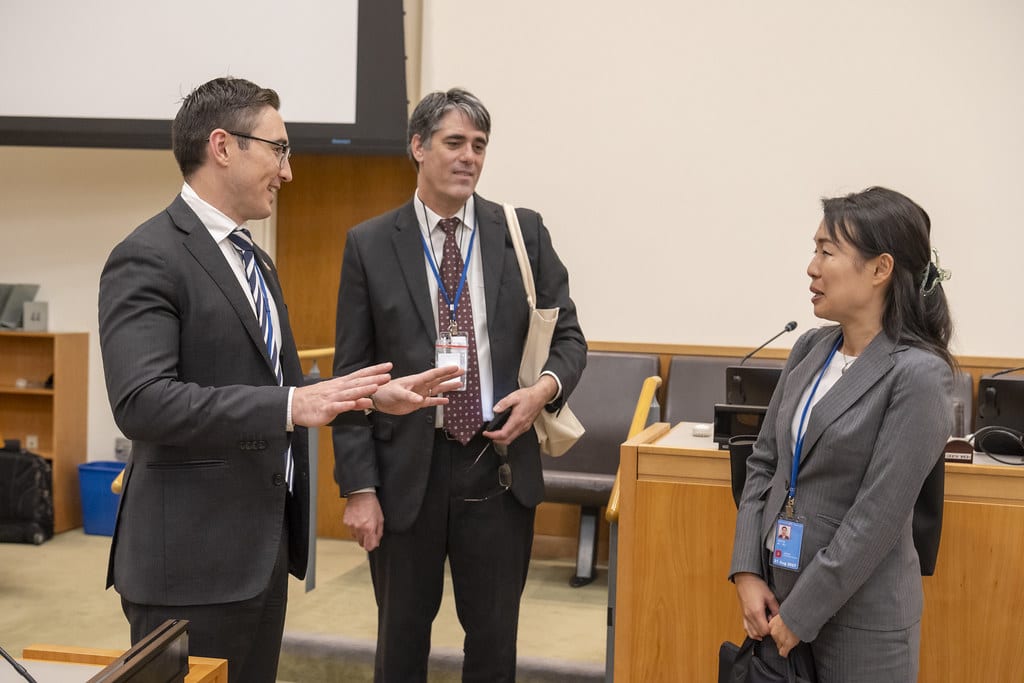
Guterres Calls for Gandhi’s Wisdom as Global Conflict and Division Surge

The UN Secretary‑General’s Appeal

On a crisp morning at the United Nations headquarters, António Guterres invoked the name of Mahatma Gandhi, urging the world to “listen to the voice of non‑violence and truth” as geopolitical tensions climb. In a televised address, the Secretary‑General warned that conflict and division are rising on every continent and that the moral compass offered by Gandhi’s teachings could steer humanity away from a path of war.

"If we ignore Gandhi’s message today, we risk repeating the tragedies of the past," Guterres said, his words echoing through the General Assembly hall.

Why Gandhi’s Philosophy Matters Now

  • Non‑violence (Ahimsa): A timeless principle that challenges the logic of armed retaliation.
  • Truth (Satya): Calls for transparency in diplomatic negotiations, a stark contrast to the secrecy that fuels mistrust.
  • Inclusive Dialogue: Emphasises the need for marginalized voices in peace‑building processes.

Guterres highlighted recent flashpoints—border skirmishes in Eastern Europe, civil unrest in the Middle East, and rising sectarian violence in South Asia—as evidence that the world is drifting farther from cooperative norms.
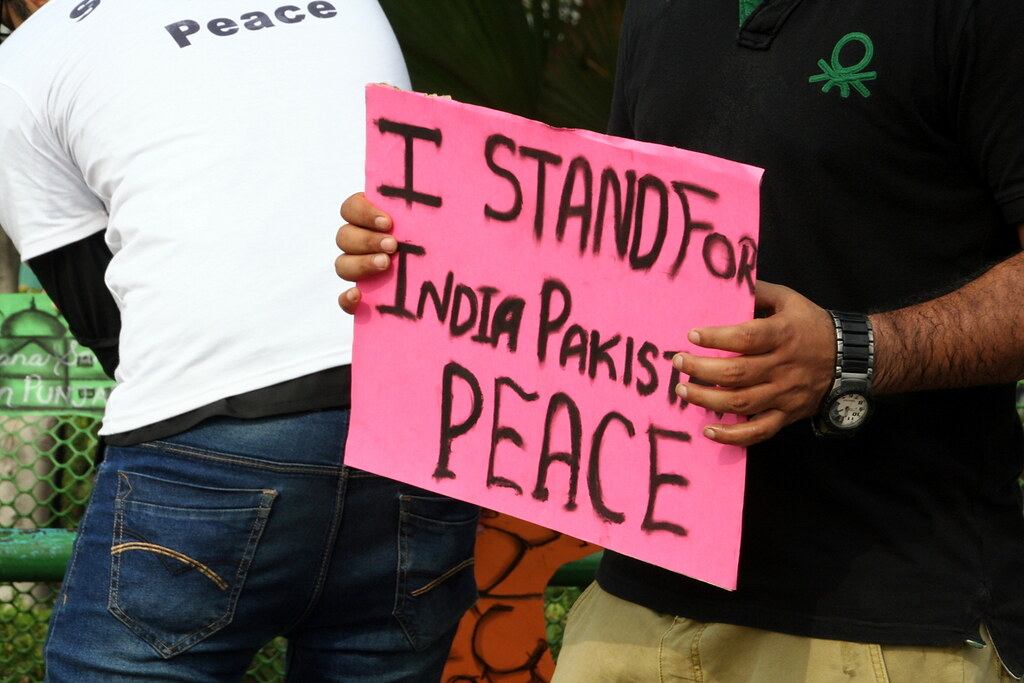
global protest crowds 2024 global protest crowds 2024

The phrase "Guterres urges world to heed Gandhi" spiked across Google Trends within hours of the speech, topping the “News” category in India, the United Kingdom, and the United States. Social media platforms amplified the clip, with hashtags like #GandhiForPeace and #GuterresMessage generating millions of impressions.

Historical Context

  • 1948: Gandhi’s assassination left a vacuum in moral leadership for post‑colonial India.
  • 1992: The UN adopted the World Programme of Action for Youth, citing Gandhi’s principles as a template for conflict‑resolution education.
  • 2020‑2023: A series of UN resolutions invoked Gandhi’s legacy to address climate‑induced migrations and digital misinformation.

The resurgence of Gandhi’s name in diplomatic discourse signals a broader yearning for ethical anchors in an era dominated by real‑time warfare narratives.

Potential Impact and Next Steps

Analysts suggest that Guterres’ appeal could translate into concrete policy shifts:

  • UN‑Sponsored Workshops: Dedicated to “Gandhi‑Inspired Peacebuilding” for diplomats from conflict‑prone regions.
  • Educational Curricula: Integration of non‑violent resistance studies in UN‑affiliated schools worldwide.
  • Civil Society Coalitions: Partnerships with NGOs to launch grassroots campaigns echoing Gandhi’s Satyagraha tactics.

What Nations Can Do

  1. Adopt Transparent Mediation Frameworks that prioritize truth‑telling and inclusive representation.
  2. Invest in People‑Centred Diplomacy by funding cultural exchange programs that celebrate non‑violent histories.
  3. Elevate Ethical Leadership by recognizing leaders who embody Gandhi’s values with international awards.

If embraced, these measures could reshape global governance, steering it toward a more humane, collaborative future—one where the lessons of the past inform the peace of tomorrow.


Key Takeaway: Guterres’ call to “heed Gandhi” is not merely symbolic; it is a strategic invitation for the international community to re‑anchor its conflict‑resolution toolkit in the timeless virtues of non‑violence, truth, and inclusive dialogue.


Original Reporting & Source: India Today Top Stories

Discussion (0)

Sign in to join the discussion.

No comments yet. Be the first to start the conversation!

| |

Guterres Calls for Gandhi’s Wisdom as Global Conflict and Division Surge

By Umang Sisodia • 3 min read • 1 view

The UN Secretary‑General’s Appeal

On a crisp morning at the United Nations headquarters, António Guterres invoked the name of Mahatma Gandhi, urging the world to “listen to the voice of non‑violence and truth” as geopolitical tensions climb. In a televised address, the Secretary‑General warned that conflict and division are rising on every continent and that the moral compass offered by Gandhi’s teachings could steer humanity away from a path of war.

"If we ignore Gandhi’s message today, we risk repeating the tragedies of the past," Guterres said, his words echoing through the General Assembly hall.

Why Gandhi’s Philosophy Matters Now

  • Non‑violence (Ahimsa): A timeless principle that challenges the logic of armed retaliation.
  • Truth (Satya): Calls for transparency in diplomatic negotiations, a stark contrast to the secrecy that fuels mistrust.
  • Inclusive Dialogue: Emphasises the need for marginalized voices in peace‑building processes.

Guterres highlighted recent flashpoints—border skirmishes in Eastern Europe, civil unrest in the Middle East, and rising sectarian violence in South Asia—as evidence that the world is drifting farther from cooperative norms.

global protest crowds 2024 global protest crowds 2024

The phrase "Guterres urges world to heed Gandhi" spiked across Google Trends within hours of the speech, topping the “News” category in India, the United Kingdom, and the United States. Social media platforms amplified the clip, with hashtags like #GandhiForPeace and #GuterresMessage generating millions of impressions.

Historical Context

  • 1948: Gandhi’s assassination left a vacuum in moral leadership for post‑colonial India.
  • 1992: The UN adopted the World Programme of Action for Youth, citing Gandhi’s principles as a template for conflict‑resolution education.
  • 2020‑2023: A series of UN resolutions invoked Gandhi’s legacy to address climate‑induced migrations and digital misinformation.

The resurgence of Gandhi’s name in diplomatic discourse signals a broader yearning for ethical anchors in an era dominated by real‑time warfare narratives.

Potential Impact and Next Steps

Analysts suggest that Guterres’ appeal could translate into concrete policy shifts:

  • UN‑Sponsored Workshops: Dedicated to “Gandhi‑Inspired Peacebuilding” for diplomats from conflict‑prone regions.
  • Educational Curricula: Integration of non‑violent resistance studies in UN‑affiliated schools worldwide.
  • Civil Society Coalitions: Partnerships with NGOs to launch grassroots campaigns echoing Gandhi’s Satyagraha tactics.

What Nations Can Do

  1. Adopt Transparent Mediation Frameworks that prioritize truth‑telling and inclusive representation.
  2. Invest in People‑Centred Diplomacy by funding cultural exchange programs that celebrate non‑violent histories.
  3. Elevate Ethical Leadership by recognizing leaders who embody Gandhi’s values with international awards.

If embraced, these measures could reshape global governance, steering it toward a more humane, collaborative future—one where the lessons of the past inform the peace of tomorrow.


Key Takeaway: Guterres’ call to “heed Gandhi” is not merely symbolic; it is a strategic invitation for the international community to re‑anchor its conflict‑resolution toolkit in the timeless virtues of non‑violence, truth, and inclusive dialogue.


Original Reporting & Source: India Today Top Stories