Umang Sisodia • • 3 min read • 1 view

Flydubai Co‑Pilot Hamam Alhamami Barred by Oman After Near‑Crash Over Radical Views
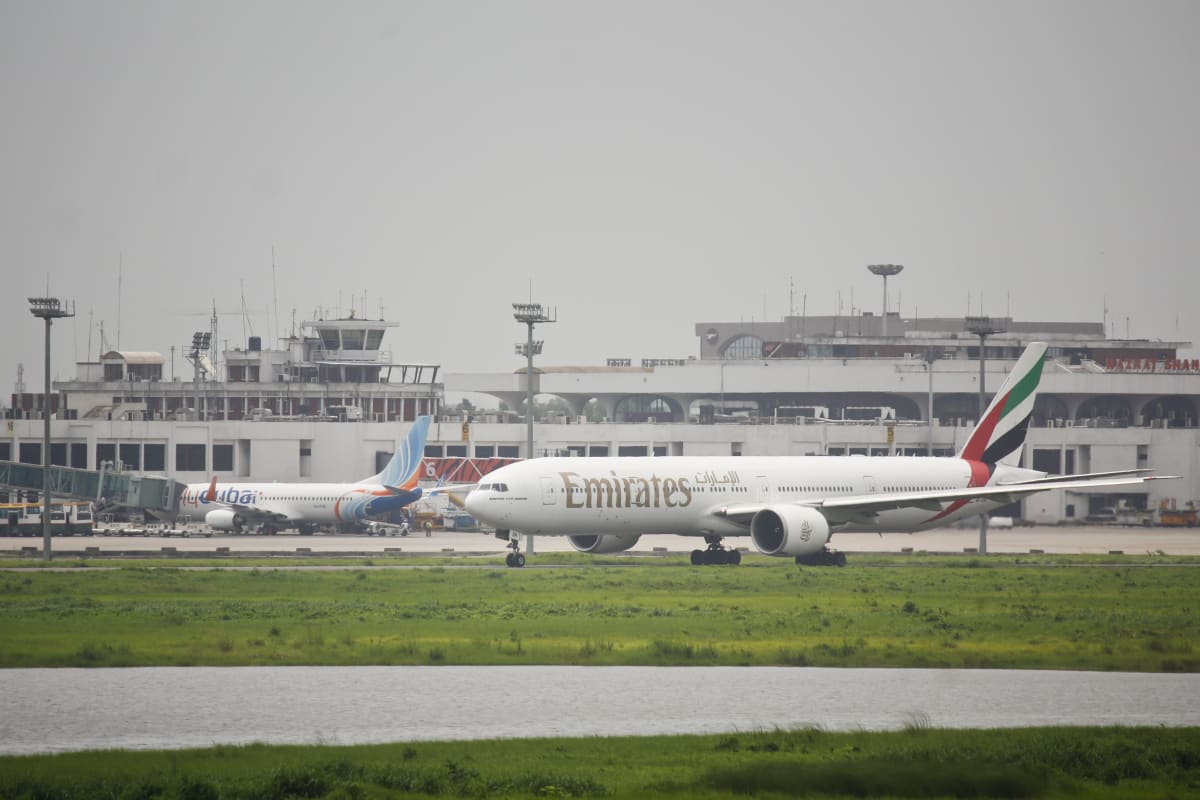
Flydubai Co‑Pilot Hamam Alhamami Barred by Oman After Near‑Crash Over Radical Views

The Incident That Shook Flydubai

On July 12, 2024, a Flydubai Airbus A321 nearly entered a dangerous descent over the Arabian Sea before the crew regained control. Investigations later identified the co‑pilot as Hamam Alhamami, a 32‑year‑old Omani national who had been cleared by the airline’s standard vetting process.

Who is Hamam Alhamami?

Alhamami joined Flydubai in 2020 after completing his training at the Emirates Aviation College. His résumé listed over 4,000 flight hours on narrow‑body aircraft and a clean safety record—until a confidential tip from an unnamed source prompted Omani authorities to re‑examine his background.

How the Near‑Crash Unfolded

During the flight from Dubai to Muscat, Alhamami reportedly attempted to deviate from the programmed flight path, triggering an autopilot disengagement. The captain intervened, stabilising the aircraft within seconds. Post‑flight data logs revealed a sharp altitude drop of 3,500 feet within a two‑minute window.

Oman’s Sudden Ban and Its Rationale

Following a rapid internal review, the Oman Civil Aviation Authority (OCAA) issued an emergency directive on July 14, barring Alhamami from any future cockpit duties. The authority cited "radical ideological affiliations" discovered during a background sweep, though specific groups were not disclosed.

"When a pilot’s personal convictions intersect with operational safety, the risk multiplies exponentially," said Dr. Leila Hassan, senior aviation‑security analyst at the International Air Transport Association.

Oman Civil Aviation Authority building Oman Civil Aviation Authority building

Ripple Effects Across the Aviation Industry

The episode has ignited a broader conversation about crew vetting standards in the Gulf region. Airlines are now pressured to augment existing checks with behavioral risk assessments and continuous monitoring of crew members’ online footprints.

Tightening Vetting Procedures

  • Enhanced background checks: Collaboration with intelligence agencies to flag extremist links.
  • Periodic re‑screening: Annual security clearances beyond the initial hiring stage.
  • Psychological evaluations: Mandatory assessments for pilots after 5‑year service milestones.

Regional Security Concerns

Oman’s decisive action underscores a zero‑tolerance policy that other Gulf states may emulate. The move also highlights the delicate balance between national security and individual rights, a debate that legal scholars say will shape future aviation regulations.

What Lies Ahead for Flydubai and Passengers

Flydubai has pledged to review its recruitment protocols and cooperate fully with OCAA’s recommendations. The airline’s spokesperson emphasized that the incident was an isolated lapse, assuring passengers that "all safety mechanisms remain fully functional."

Recommendations

  1. Adopt AI‑driven analytics to flag anomalous flight‑deck behaviour in real time.
  2. Create a joint Gulf aviation security task force to share intelligence on crew‑related threats.
  3. Increase transparency with the public regarding safety investigations while protecting sensitive data.

Key Takeaways

  • The near‑crash was linked to a co‑pilot later barred for alleged radical views.
  • Oman acted swiftly, setting a precedent for regional aviation security.
  • Airlines are expected to overhaul vetting processes, integrating psychological and intelligence‑gathering tools.
  • Passengers can anticipate tighter safety oversight but should remain confident in overall flight safety.

The story continues to develop as regulators worldwide assess the implications for global aviation security.


Original Reporting & Source: ABP Live Top News

Discussion (0)

Sign in to join the discussion.

No comments yet. Be the first to start the conversation!

| |

Flydubai Co‑Pilot Hamam Alhamami Barred by Oman After Near‑Crash Over Radical Views

By Umang Sisodia • 3 min read • 1 view

The Incident That Shook Flydubai

On July 12, 2024, a Flydubai Airbus A321 nearly entered a dangerous descent over the Arabian Sea before the crew regained control. Investigations later identified the co‑pilot as Hamam Alhamami, a 32‑year‑old Omani national who had been cleared by the airline’s standard vetting process.

Who is Hamam Alhamami?

Alhamami joined Flydubai in 2020 after completing his training at the Emirates Aviation College. His résumé listed over 4,000 flight hours on narrow‑body aircraft and a clean safety record—until a confidential tip from an unnamed source prompted Omani authorities to re‑examine his background.

How the Near‑Crash Unfolded

During the flight from Dubai to Muscat, Alhamami reportedly attempted to deviate from the programmed flight path, triggering an autopilot disengagement. The captain intervened, stabilising the aircraft within seconds. Post‑flight data logs revealed a sharp altitude drop of 3,500 feet within a two‑minute window.

Oman’s Sudden Ban and Its Rationale

Following a rapid internal review, the Oman Civil Aviation Authority (OCAA) issued an emergency directive on July 14, barring Alhamami from any future cockpit duties. The authority cited "radical ideological affiliations" discovered during a background sweep, though specific groups were not disclosed.

"When a pilot’s personal convictions intersect with operational safety, the risk multiplies exponentially," said Dr. Leila Hassan, senior aviation‑security analyst at the International Air Transport Association.

Oman Civil Aviation Authority building Oman Civil Aviation Authority building

Ripple Effects Across the Aviation Industry

The episode has ignited a broader conversation about crew vetting standards in the Gulf region. Airlines are now pressured to augment existing checks with behavioral risk assessments and continuous monitoring of crew members’ online footprints.

Tightening Vetting Procedures

  • Enhanced background checks: Collaboration with intelligence agencies to flag extremist links.
  • Periodic re‑screening: Annual security clearances beyond the initial hiring stage.
  • Psychological evaluations: Mandatory assessments for pilots after 5‑year service milestones.

Regional Security Concerns

Oman’s decisive action underscores a zero‑tolerance policy that other Gulf states may emulate. The move also highlights the delicate balance between national security and individual rights, a debate that legal scholars say will shape future aviation regulations.

What Lies Ahead for Flydubai and Passengers

Flydubai has pledged to review its recruitment protocols and cooperate fully with OCAA’s recommendations. The airline’s spokesperson emphasized that the incident was an isolated lapse, assuring passengers that "all safety mechanisms remain fully functional."

Recommendations

  1. Adopt AI‑driven analytics to flag anomalous flight‑deck behaviour in real time.
  2. Create a joint Gulf aviation security task force to share intelligence on crew‑related threats.
  3. Increase transparency with the public regarding safety investigations while protecting sensitive data.

Key Takeaways

  • The near‑crash was linked to a co‑pilot later barred for alleged radical views.
  • Oman acted swiftly, setting a precedent for regional aviation security.
  • Airlines are expected to overhaul vetting processes, integrating psychological and intelligence‑gathering tools.
  • Passengers can anticipate tighter safety oversight but should remain confident in overall flight safety.

The story continues to develop as regulators worldwide assess the implications for global aviation security.


Original Reporting & Source: ABP Live Top News