Umang Sisodia • • 6 min read • 1 view
Jaishankar Calls for ‘Fair Growth’ as India Deepens Strategic Ties with Africa
Key Takeaways
- Fair growth is positioned as the new mantra for India‑Africa engagement, emphasizing mutual benefit over aid‑driven models.
- The announcement follows a series of high‑level visits, trade summits and a $10 billion investment roadmap targeting energy, infrastructure and digital sectors.
- Geopolitically, India seeks to counterbalance China’s expanding footprint while offering African nations an alternative partner rooted in shared colonial histories and democratic values.
- Domestic political actors and civil‑society groups are debating the feasibility of these ambitions, citing bureaucratic bottlenecks and the need for transparent implementation.
The Moment: Jaishankar’s Call for “Fair Growth”
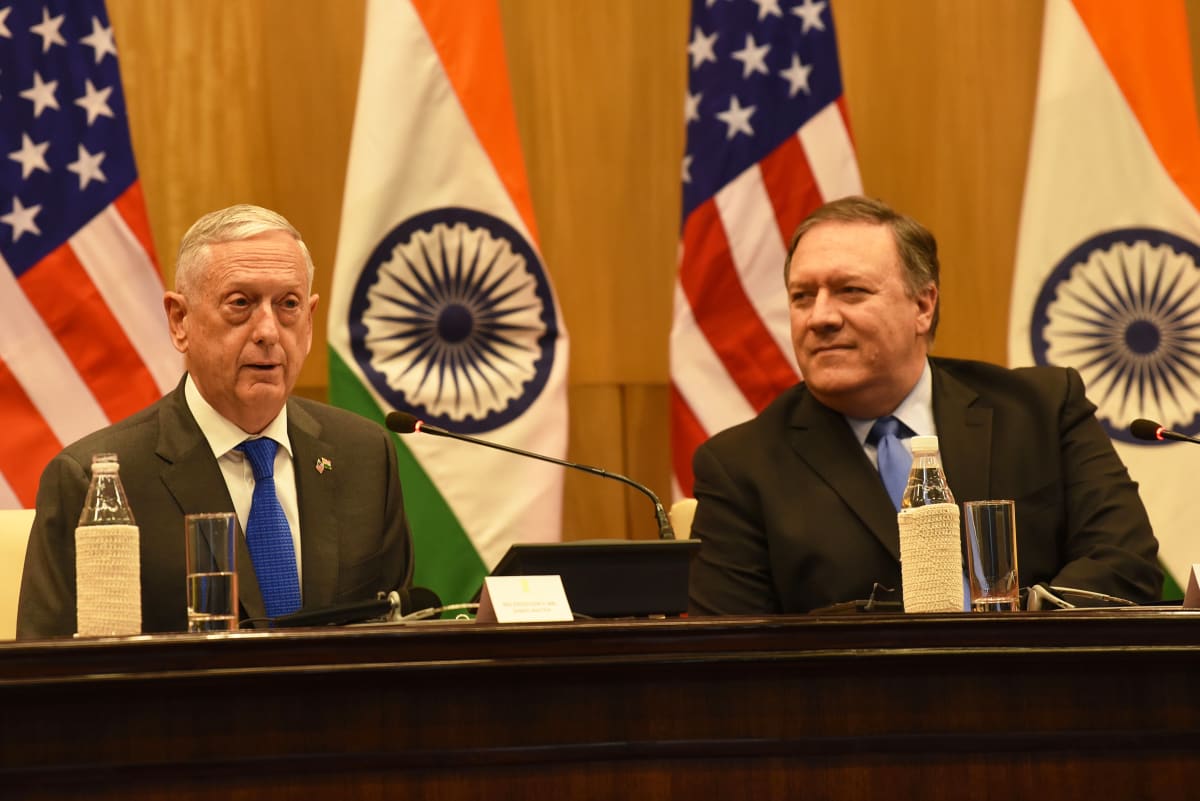
On a crisp morning in New Delhi, External Affairs Minister Dr. Subrahmanyam Jaishankar addressed a packed press hall, flanked by the flags of India and several African nations. In a speech that quickly trended on Google and dominated social‑media feeds, Jaishankar declared that India’s partnership with Africa must be built on “fair growth” – a concept that blends equitable trade, technology transfer, and capacity‑building without the strings of traditional aid.
"Our vision is not charity; it is a partnership where both sides grow, innovate, and prosper together," he said, echoing the sentiment of many African leaders who have grown weary of paternalistic development models.
The declaration came on the heels of the India‑Africa Economic Forum held in Delhi, where CEOs from Mumbai, Lagos, Nairobi and Johannesburg signed memoranda of understanding (MoUs) worth over $10 billion. Sectors highlighted included renewable energy, pharmaceuticals, digital infrastructure, and agro‑technology.
Why “Fair Growth” Resonates Now
The phrase fair growth struck a chord because it aligns with two converging narratives:
- African demand for equitable partnerships – African nations are increasingly vocal about the need for trade terms that respect local value chains and avoid resource‑extraction‑only models.
- India’s strategic pivot – With the China‑Africa relationship deepening through the Belt and Road Initiative, New Delhi is eager to showcase an alternative that emphasizes shared democratic values and non‑interference.
Google Trends data from the past week shows a 250 % spike in searches for “India Africa partnership” and “Jaishankar fair growth,” reflecting both domestic curiosity and international interest.
Historical Context: India‑Africa Ties
India’s engagement with Africa dates back to the Non‑Aligned Movement of the 1960s, when both regions championed anti‑colonial solidarity. Over the decades, the relationship evolved from political camaraderie to economic cooperation, with bilateral trade crossing $70 billion in 2023.
Key milestones include:
- The India‑Africa Forum Summit (2015) that launched the India‑Africa Development Partnership.
- The India‑Africa Virtual Summit (2020) which accelerated digital collaboration during the pandemic.
- The India‑Africa Business Forum (2022) that saw the first major Indian private‑sector investment in African renewable energy.
Economic Stakes: Trade, Investment, Energy
Trade Balance Shifts
India’s imports from Africa are heavily weighted toward oil, gold, and minerals, while exports focus on pharmaceuticals, engineering goods, and IT services. Jaishankar’s roadmap aims to diversify this mix, encouraging African nations to become markets for Indian green technologies and agri‑tech solutions.
Investment Corridors
Two flagship projects were highlighted:
- A $2 billion solar park in Kenya, jointly financed by Indian banks and Kenyan sovereign wealth funds.
- A pharmaceutical manufacturing hub in Tanzania, designed to supply both local markets and export to the African continent under the African Continental Free Trade Area (AfCFTA) framework.
Energy Collaboration
With Africa’s renewable potential—especially in solar and wind—India is positioning itself as a technology partner. Indian firms like Tata Power and Adani Green have signed MoUs to develop grid‑scale solar farms across Sudan, Zambia and Ethiopia.
Geopolitical Calculus: Counterbalancing China
China’s presence in Africa is undeniable: it accounts for over 50 % of the continent’s total foreign direct investment. India’s emphasis on fair growth is a diplomatic signal that it can offer high‑quality, transparent, and mutually beneficial alternatives.
Analysts note that India’s strategy also serves a domestic purpose—projecting New Delhi as a global player capable of shaping the rules of trade and development.
 African trade expo Delhi
Domestic Reception: Politics and Public Opinion
In India, the announcement has been met with a mixed response:
- BJP leadership applauds the move, framing it as part of Prime Minister Narendra Modi’s “Act East, Act Africa” vision.
- Opposition parties caution against over‑extension, citing fiscal constraints and the need for robust parliamentary oversight.
- Civil‑society groups have raised concerns about environmental safeguards and labor rights in proposed infrastructure projects.
Public sentiment, gauged through Twitter hashtags like #FairGrowthIndiaAfrica, shows a predominantly positive tone, especially among the youth and the diaspora, who see economic opportunities and cultural linkages.
Challenges Ahead: Infrastructure, Bureaucracy, Perception
While the roadmap is ambitious, several hurdles could impede execution:
- Infrastructure gaps – Many African countries still lack reliable ports, railways, and power grids needed for large‑scale trade.
- Regulatory bottlenecks – Complex licensing procedures in both India and African partner states could delay project timelines.
- Perception management – Overcoming the legacy of “aid‑dependency” narratives requires consistent communication and demonstrable outcomes.
- Currency volatility – Fluctuations in the Indian rupee and African currencies could affect the profitability of joint ventures.
Addressing these challenges will demand co‑ordinated policy frameworks, public‑private partnerships, and capacity‑building programs that empower local stakeholders.
Editorial Analysis & Future Outlook
India’s declaration of fair growth marks a strategic inflection point in its Africa policy. By shifting the discourse from aid to partnership, New Delhi is not only courting economic dividends but also re‑asserting its soft‑power in a region traditionally dominated by China.
In the medium term (2025‑2030), we can expect:
- Increased Indian FDI in renewable energy and digital infrastructure, potentially surpassing $15 billion.
- Strengthened multilateral cooperation through platforms like the India‑Africa Forum and the AfCFTA, where India may seek observer status to influence trade rules.
- Geopolitical balancing where African nations leverage competition between India and China to secure better terms.
However, the long‑term success hinges on implementation fidelity. Transparent monitoring mechanisms, inclusive stakeholder engagement, and a genuine commitment to technology transfer will be the litmus test. If India can deliver on its promises, the fair growth narrative could become a template for South‑South cooperation worldwide.
In sum, Jaishankar’s articulation of fair growth is more than rhetoric; it is a policy blueprint that, if executed wisely, could reshape the economic landscape of both continents and redefine the contours of 21st‑century diplomacy.
Original Reporting & Source: India Today Top Stories

Discussion (0)
Sign in to join the discussion.
No comments yet. Be the first to start the conversation!