Umang Sisodia • • 6 min read • 1 view

MP High Court Strikes Down 27% OBC Quota Law – Political Fallout and Legal Implications
Listen to Article
Select a voice and press play
MP High Court Strikes Down 27% OBC Quota Law – Political Fallout and Legal Implications

Key Takeaways

  • The Madhya Pradesh High Court has quashed the state’s 27% OBC reservation law, citing constitutional concerns.
  • Senior BJP leader Prahlad Patel blames the Congress for the legal setback, intensifying intra‑party tensions.
  • The verdict revives a long‑standing legal battle over reservation policies, with potential ripple effects across India’s affirmative‑action framework.
  • Upcoming elections in MP could see vote‑bank politics reshaped as parties recalibrate their OBC outreach strategies.

Background of the OBC Quota in Madhya Pradesh

Since the early 1990s, Other Backward Classes (OBC) have been a pivotal constituency in Indian politics. Madhya Pradesh, with its diverse social fabric, introduced a 27% reservation for OBCs in government jobs and educational institutions through the Madhya Pradesh OBC (Reservation) Act, 2022. The law aimed to align the state’s reservation percentage with the National Commission for Backward Classes’ (NCBC) recommendation of 27% for OBCs, a figure already reflected in many other states.

Proponents argued that the increased quota would address historical marginalisation and promote inclusive growth. Critics, however, warned of reverse discrimination, potential dilution of merit, and constitutional challenges under the Article 16(4) provision, which permits reservations only if they do not exceed 50% of total seats.

The High Court Verdict

On 23 September 2024, a bench of the Madhya Pradesh High Court delivered a landmark judgment striking down the 27% OBC quota law. The court held that:

  1. The cumulative reservation ceiling (General + SC/ST + OBC) exceeded the constitutional limit of 50%.
  2. Procedural lapses occurred in the law’s enactment, notably the lack of a backwardness certification by the NCBC.
  3. Equal protection under the Constitution was compromised, potentially infringing on the rights of the general category.

The judgment not only nullified the law but also directed the state government to revert to the previous reservation percentage (15% for OBCs) until a constitutionally sound amendment is passed.

Political Reactions

Prahlad Patel’s Outburst

Prahlad Patel, a senior BJP leader and former Minister of State for OBC Welfare, reacted vehemently. In a press conference, he accused the Congress of orchestrating legal challenges to sabotage the BJP’s social engineering agenda:

"The Congress has always tried to create fault lines among OBCs. This verdict is a direct result of their machinations, not a judicial oversight."

Patel’s remarks underscored a strategic narrative: portraying the opposition as anti‑reservation, thereby attempting to consolidate OBC support ahead of the 2025 state assembly elections.

Opposition’s Stance

The Congress, while welcoming the verdict, framed it as a victory for constitutional fidelity. Spokesperson Rohini Kumar stated:

"Justice has been served. Reservations must be rooted in data and constitutional safeguards, not political expediency."

Other parties, including the Aam Aadmi Party (AAP) and regional outfits, called for a comprehensive review of reservation policies, urging the state to engage with the NCBC before any future amendments.

Public Response and Street Protests

The verdict sparked mixed reactions across the state:

  • OBC youth groups organized rallies in Bhopal and Indore, demanding the reinstatement of the 27% quota, citing unemployment and educational disparities.
  • Student unions from non‑reserved categories staged counter‑protests, arguing that meritocracy was being compromised.
  • Social media trends like #OBCQuotaMP and #JusticeForAll trended on Twitter and X, reflecting a polarized public discourse.

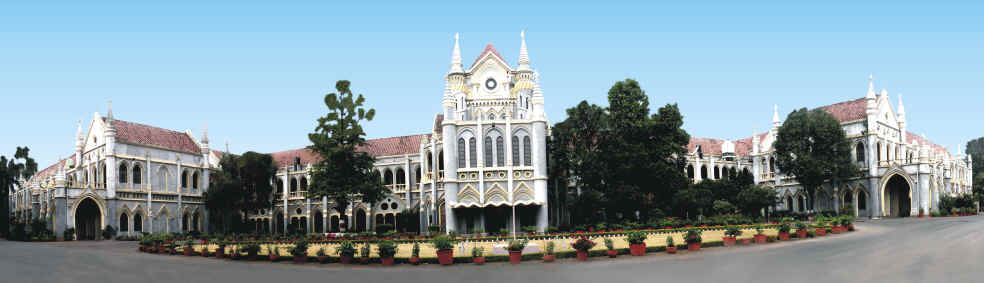
MP High Court courtroom MP High Court courtroom

Constitutional Bench and the 50% Ceiling

The Madhya Pradesh verdict aligns with several Supreme Court precedents:

  • Indra Sawhney v. Union of India (1992) – established the 50% ceiling.
  • M. Nagaraj v. Union of India (2006) – emphasized the need for backwardness criteria.

Legal scholars argue that the MP High Court’s decision could catalyse a cascade of challenges against similar state‑level OBC reservations, prompting the Supreme Court to possibly re‑examine the 50% ceiling in a contemporary context.

Potential for Legislative Remedy

The state government may pursue a constitutional amendment or seek a central government‑led policy to reconcile the OBC quota with the 50% limit. This would involve:

  1. Commissioning a fresh NCBC report to validate the 27% figure.
  2. Amending the Constitution under Article 368 – a politically arduous route.
  3. Negotiating a compromise with opposition parties to craft a balanced reservation formula.

National Context: Reservation Politics in 2024

Across India, reservation debates have intensified:

  • Tamil Nadu’s 69% quota continues to be a unique case, protected by a constitutional amendment.
  • Uttar Pradesh recently passed a 20% OBC reservation for private sector jobs, sparking legal scrutiny.
  • The central government’s stance remains cautious, emphasizing social justice while avoiding constitutional overreach.

The MP verdict, therefore, serves as a bellwether for how state governments may navigate the delicate balance between affirmative action and constitutional constraints.

Electoral Calculus Ahead of 2025 Assembly Polls

With the next state elections looming, political parties are recalibrating their vote‑bank strategies:

  • The BJP is likely to double‑down on OBC outreach, leveraging Patel’s rhetoric to portray the Congress as anti‑reservation.
  • The Congress may pivot to a rights‑based narrative, emphasizing constitutional integrity and inclusive development.
  • Emerging parties like AAP could position themselves as neutral arbiters, advocating for data‑driven reservation policies.

The outcome of these electoral maneuvers could reshape the OBC political landscape not only in MP but also in other central Indian states.


Editorial Analysis & Future Outlook

The Madhya Pradesh High Court’s decision is more than a legal pronouncement; it is a political flashpoint that underscores the fragility of reservation politics in India. While the judgment adheres to constitutional doctrine, it also exposes the limits of policy‑driven social engineering when not anchored in rigorous data and procedural rigor.

In the short term, we can expect a legal tug‑of‑war as the state government explores avenues to reinstate the quota, possibly through a central‑state collaborative framework. The mid‑term scenario may witness a re‑configuration of OBC alliances, with parties courting specific sub‑caste groups to offset the loss of the 27% quota.

Looking ahead to 2025 and beyond, the verdict could catalyse a national conversation on revisiting the 50% ceiling, especially as demographic data evolves and the demand for inclusive representation grows. If the Supreme Court is called upon to reinterpret the ceiling, India may see a new constitutional paradigm for affirmative action—one that balances merit, social justice, and demographic realities.

For journalists and analysts, the MP case offers a template to monitor how judicial interventions intersect with political strategy in India’s complex caste matrix. The story is still unfolding, and its reverberations will likely shape policy debates, electoral outcomes, and the broader discourse on equality for years to come.


Original Reporting & Source: India Today Top Stories

Discussion (0)

Sign in to join the discussion.

No comments yet. Be the first to start the conversation!

| |

MP High Court Strikes Down 27% OBC Quota Law – Political Fallout and Legal Implications

By Umang Sisodia • 6 min read • 1 view

Key Takeaways

  • The Madhya Pradesh High Court has quashed the state’s 27% OBC reservation law, citing constitutional concerns.
  • Senior BJP leader Prahlad Patel blames the Congress for the legal setback, intensifying intra‑party tensions.
  • The verdict revives a long‑standing legal battle over reservation policies, with potential ripple effects across India’s affirmative‑action framework.
  • Upcoming elections in MP could see vote‑bank politics reshaped as parties recalibrate their OBC outreach strategies.

Background of the OBC Quota in Madhya Pradesh

Since the early 1990s, Other Backward Classes (OBC) have been a pivotal constituency in Indian politics. Madhya Pradesh, with its diverse social fabric, introduced a 27% reservation for OBCs in government jobs and educational institutions through the Madhya Pradesh OBC (Reservation) Act, 2022. The law aimed to align the state’s reservation percentage with the National Commission for Backward Classes’ (NCBC) recommendation of 27% for OBCs, a figure already reflected in many other states.

Proponents argued that the increased quota would address historical marginalisation and promote inclusive growth. Critics, however, warned of reverse discrimination, potential dilution of merit, and constitutional challenges under the Article 16(4) provision, which permits reservations only if they do not exceed 50% of total seats.

The High Court Verdict

On 23 September 2024, a bench of the Madhya Pradesh High Court delivered a landmark judgment striking down the 27% OBC quota law. The court held that:

  1. The cumulative reservation ceiling (General + SC/ST + OBC) exceeded the constitutional limit of 50%.
  2. Procedural lapses occurred in the law’s enactment, notably the lack of a backwardness certification by the NCBC.
  3. Equal protection under the Constitution was compromised, potentially infringing on the rights of the general category.

The judgment not only nullified the law but also directed the state government to revert to the previous reservation percentage (15% for OBCs) until a constitutionally sound amendment is passed.

Political Reactions

Prahlad Patel’s Outburst

Prahlad Patel, a senior BJP leader and former Minister of State for OBC Welfare, reacted vehemently. In a press conference, he accused the Congress of orchestrating legal challenges to sabotage the BJP’s social engineering agenda:

"The Congress has always tried to create fault lines among OBCs. This verdict is a direct result of their machinations, not a judicial oversight."

Patel’s remarks underscored a strategic narrative: portraying the opposition as anti‑reservation, thereby attempting to consolidate OBC support ahead of the 2025 state assembly elections.

Opposition’s Stance

The Congress, while welcoming the verdict, framed it as a victory for constitutional fidelity. Spokesperson Rohini Kumar stated:

"Justice has been served. Reservations must be rooted in data and constitutional safeguards, not political expediency."

Other parties, including the Aam Aadmi Party (AAP) and regional outfits, called for a comprehensive review of reservation policies, urging the state to engage with the NCBC before any future amendments.

Public Response and Street Protests

The verdict sparked mixed reactions across the state:

  • OBC youth groups organized rallies in Bhopal and Indore, demanding the reinstatement of the 27% quota, citing unemployment and educational disparities.
  • Student unions from non‑reserved categories staged counter‑protests, arguing that meritocracy was being compromised.
  • Social media trends like #OBCQuotaMP and #JusticeForAll trended on Twitter and X, reflecting a polarized public discourse.

MP High Court courtroom MP High Court courtroom

Constitutional Bench and the 50% Ceiling

The Madhya Pradesh verdict aligns with several Supreme Court precedents:

  • Indra Sawhney v. Union of India (1992) – established the 50% ceiling.
  • M. Nagaraj v. Union of India (2006) – emphasized the need for backwardness criteria.

Legal scholars argue that the MP High Court’s decision could catalyse a cascade of challenges against similar state‑level OBC reservations, prompting the Supreme Court to possibly re‑examine the 50% ceiling in a contemporary context.

Potential for Legislative Remedy

The state government may pursue a constitutional amendment or seek a central government‑led policy to reconcile the OBC quota with the 50% limit. This would involve:

  1. Commissioning a fresh NCBC report to validate the 27% figure.
  2. Amending the Constitution under Article 368 – a politically arduous route.
  3. Negotiating a compromise with opposition parties to craft a balanced reservation formula.

National Context: Reservation Politics in 2024

Across India, reservation debates have intensified:

  • Tamil Nadu’s 69% quota continues to be a unique case, protected by a constitutional amendment.
  • Uttar Pradesh recently passed a 20% OBC reservation for private sector jobs, sparking legal scrutiny.
  • The central government’s stance remains cautious, emphasizing social justice while avoiding constitutional overreach.

The MP verdict, therefore, serves as a bellwether for how state governments may navigate the delicate balance between affirmative action and constitutional constraints.

Electoral Calculus Ahead of 2025 Assembly Polls

With the next state elections looming, political parties are recalibrating their vote‑bank strategies:

  • The BJP is likely to double‑down on OBC outreach, leveraging Patel’s rhetoric to portray the Congress as anti‑reservation.
  • The Congress may pivot to a rights‑based narrative, emphasizing constitutional integrity and inclusive development.
  • Emerging parties like AAP could position themselves as neutral arbiters, advocating for data‑driven reservation policies.

The outcome of these electoral maneuvers could reshape the OBC political landscape not only in MP but also in other central Indian states.


Editorial Analysis & Future Outlook

The Madhya Pradesh High Court’s decision is more than a legal pronouncement; it is a political flashpoint that underscores the fragility of reservation politics in India. While the judgment adheres to constitutional doctrine, it also exposes the limits of policy‑driven social engineering when not anchored in rigorous data and procedural rigor.

In the short term, we can expect a legal tug‑of‑war as the state government explores avenues to reinstate the quota, possibly through a central‑state collaborative framework. The mid‑term scenario may witness a re‑configuration of OBC alliances, with parties courting specific sub‑caste groups to offset the loss of the 27% quota.

Looking ahead to 2025 and beyond, the verdict could catalyse a national conversation on revisiting the 50% ceiling, especially as demographic data evolves and the demand for inclusive representation grows. If the Supreme Court is called upon to reinterpret the ceiling, India may see a new constitutional paradigm for affirmative action—one that balances merit, social justice, and demographic realities.

For journalists and analysts, the MP case offers a template to monitor how judicial interventions intersect with political strategy in India’s complex caste matrix. The story is still unfolding, and its reverberations will likely shape policy debates, electoral outcomes, and the broader discourse on equality for years to come.


Original Reporting & Source: India Today Top Stories