Umang Sisodia • • 5 min read • 1 view

Trump Says Iran War Will End Soon, Oil Prices to Plummet – What the Surge Means for India
Listen to Article
Select a voice and press play
Trump Says Iran War Will End Soon, Oil Prices to Plummet – What the Surge Means for India

Key Takeaways

  • Former President Donald Trump claims the Iran‑Israel conflict will wrap up quickly, triggering a steep fall in Brent crude.
  • The statement has ignited a spike in Google searches across India, reflecting widespread concern over oil‑price volatility.
  • Analysts warn that geopolitics, shipping attacks and OPEC+ policies keep crude prices resilient despite political optimism.
  • India’s import‑dependent economy could face mixed outcomes: cheaper fuel but heightened market uncertainty.

What Triggered the Surge?

A sudden surge in Google Trends data from India shows the query “ब्रेंट कच्चा तेल” crossing the 200‑search threshold within hours of a Jagran headline: "'ईरान युद्ध जल्द खत्म होगा, नीचे आएंगी तेल की कीमतें', अमेरिकी राष्ट्रपति ट्रंप का बड़ा दावा". The phrase struck a chord for two reasons:

  1. Energy‑price anxiety – Indian households and transport operators have felt the pinch of Brent hovering above $90 a barrel for months.
  2. Geopolitical fatigue – The protracted Iran‑Israel skirmishes, coupled with recent Houthi attacks on Red Sea vessels, have kept the market on edge.

The combination of a high‑profile political claim and a tangible economic pain point explains why the search term spiked dramatically, prompting media houses to amplify the story.

The Trump Claim in Context

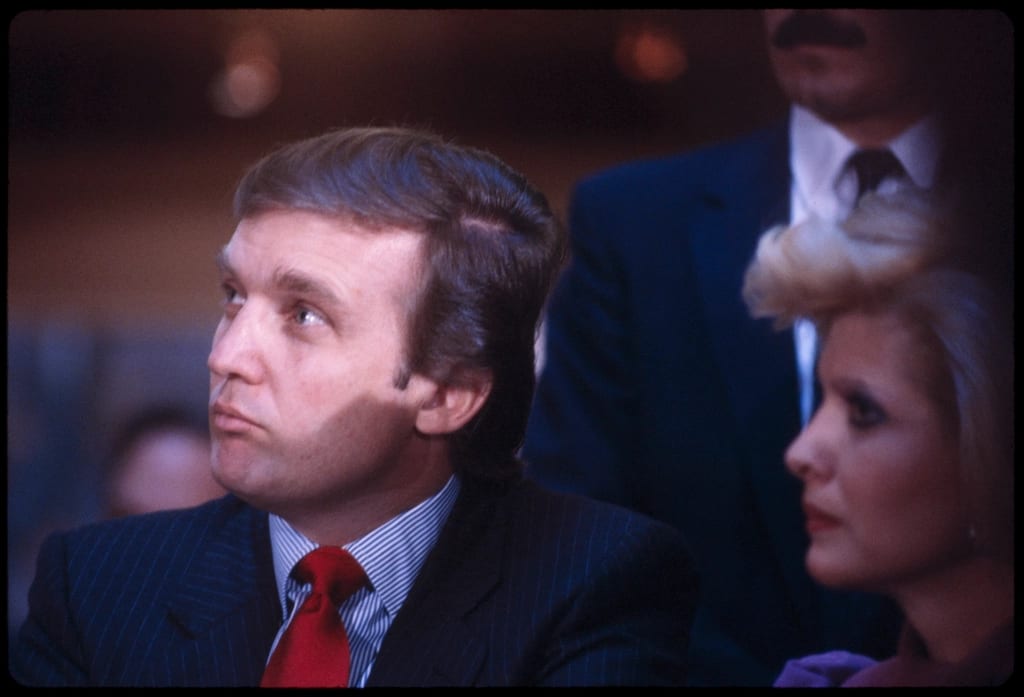
"The war in Iran will end soon and oil prices will go down dramatically," Donald Trump said during a televised interview on a US news channel.

While Trump no longer holds office, his remarks still command attention due to his past influence on US‑Middle East policy and his reputation for shaping market sentiment. The claim taps into a long‑standing narrative: peace in the Middle East equals cheaper oil. Historically, cease‑fires or diplomatic breakthroughs have indeed nudged Brent down, but the effect is rarely as swift or deep as Trump suggests.

Oil Market Mechanics

Supply‑Side Dynamics

  • OPEC+ Production – The alliance has kept output steady at roughly 32 million barrels per day, with Saudi Arabia signalling willingness to increase supply if prices breach $100.
  • Iran’s Output – Sanctions limit Tehran’s export capacity to under 2 million bpd, but any de‑escalation could unlock an additional 500,000‑1 million barrels.
  • Shipping Risks – Houthi missile strikes on tankers transiting the Red Sea have added a risk premium, pushing freight rates higher.

Demand‑Side Pressures

  • India’s Consumption – At 5.2 million bpd, India is the world’s third‑largest crude importer, making it highly sensitive to Brent fluctuations.
  • Global Economic Outlook – Slower growth forecasts in Europe and China temper demand, while India’s own GDP momentum remains robust.

Regional Geopolitics and Supply Concerns

The Iran‑Israel confrontation stems from a series of retaliatory strikes on nuclear facilities and airbases. While diplomatic back‑channels have been active, the situation remains volatile. Any rapid de‑escalation would likely involve:

  • A UN‑mediated cease‑fire backed by the United States and European powers.
  • Sanctions relief for Iran, potentially unlocking its oil exports.
  • Re‑routing of maritime traffic away from the Red Sea, reducing the freight‑risk surcharge.

However, analysts caution that even a formal cease‑fire may not translate into immediate production gains, given Iran’s damaged infrastructure and lingering sanctions.
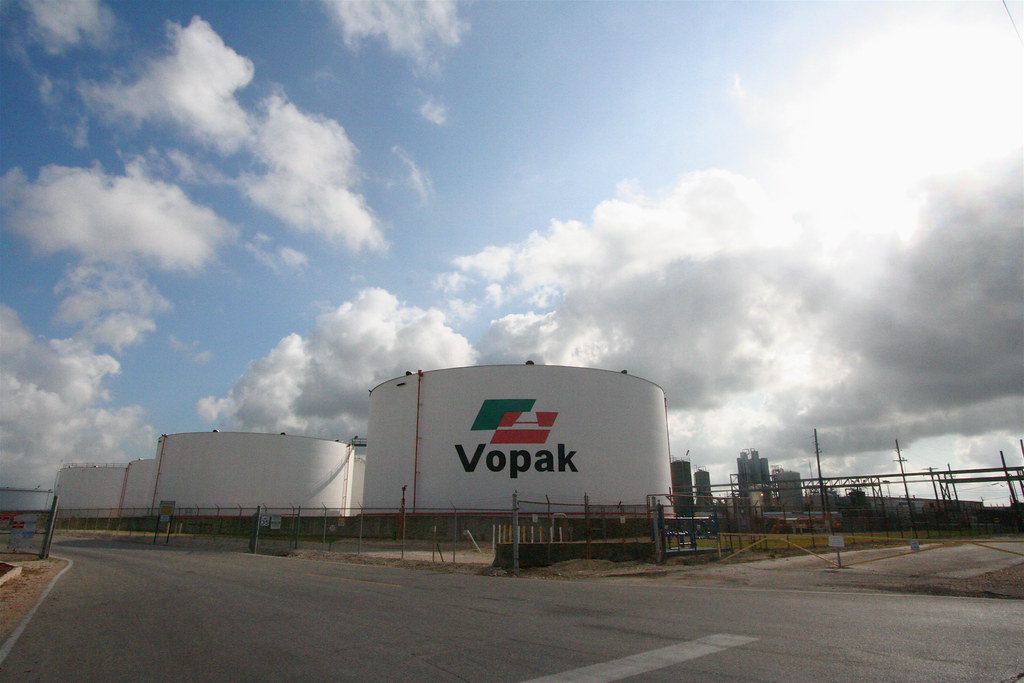
Brent crude price chart Brent crude price chart

Market Reactions and Analyst Views

  • Investing.com India reported a short‑term rally in Brent after the Trump statement, but noted that the rally was “thin” and lacked volume.
  • Inshorts quoted brokerage firms warning that “prices are unlikely to fall dramatically in the near term because of lingering supply‑chain risks.”
  • Local traders on the Multi‑Commodity Exchange (MCX) displayed mixed sentiment, with futures contracts showing modest bullish positions despite the headline.

The consensus among major oil houses such as Kpler and Rystad Energy is that any price correction will be incremental, driven more by OPEC+ output decisions than by geopolitical optimism.

Potential Scenarios for India

Scenario Likelihood Impact on Brent Impact on India
Rapid peace & sanctions lift Low 10‑15% drop within 2‑3 weeks Lower fuel costs, but possible volatility as markets readjust
Staggered de‑escalation Medium 3‑5% correction over a month Moderate relief for consumers, continued caution for importers
Escalation resumes Medium‑High 5‑8% rise in 2‑4 weeks Higher diesel and petrol prices, pressure on logistics sector

Policymakers must therefore prepare for a range of outcomes, balancing short‑term consumer relief with longer‑term energy security.

Editorial Analysis & Future Outlook

The Trump assertion, while sensational, underscores a deeper truth: oil markets are still hostage to Middle‑East geopolitics. Even as India diversifies its energy mix—accelerating renewable capacity and exploring strategic petroleum reserves—the nation’s immediate price exposure remains tied to events thousands of kilometres away.

In the next 12‑18 months, three forces will shape the trajectory:

  1. OPEC+ policy flexibility – If the cartel decides to cut output to protect revenues, price stability may return regardless of diplomatic developments.
  2. Supply‑chain resilience – Investments in alternative shipping routes (e.g., the Northern Sea Route) and storage infrastructure will dampen the shock of any future attacks.
  3. Domestic reforms – India’s push for electric mobility and bio‑fuel blending could gradually insulate the economy from crude‑price swings.

For now, the headline serves as a reminder that market sentiment can be moved by a single soundbite, but fundamentals dictate the long‑run. Traders, policymakers, and the everyday consumer should watch the evolving diplomatic talks, but also keep an eye on OPEC+ minutes and global demand data before betting on a dramatic price plunge.


By [Your Name], Senior Chief Editor & Photojournalist Director


Original Reporting & Source: Google Trends (India)

Discussion (0)

Sign in to join the discussion.

No comments yet. Be the first to start the conversation!

| |

Trump Says Iran War Will End Soon, Oil Prices to Plummet – What the Surge Means for India

By Umang Sisodia • 5 min read • 1 view

Key Takeaways

  • Former President Donald Trump claims the Iran‑Israel conflict will wrap up quickly, triggering a steep fall in Brent crude.
  • The statement has ignited a spike in Google searches across India, reflecting widespread concern over oil‑price volatility.
  • Analysts warn that geopolitics, shipping attacks and OPEC+ policies keep crude prices resilient despite political optimism.
  • India’s import‑dependent economy could face mixed outcomes: cheaper fuel but heightened market uncertainty.

What Triggered the Surge?

A sudden surge in Google Trends data from India shows the query “ब्रेंट कच्चा तेल” crossing the 200‑search threshold within hours of a Jagran headline: "'ईरान युद्ध जल्द खत्म होगा, नीचे आएंगी तेल की कीमतें', अमेरिकी राष्ट्रपति ट्रंप का बड़ा दावा". The phrase struck a chord for two reasons:

  1. Energy‑price anxiety – Indian households and transport operators have felt the pinch of Brent hovering above $90 a barrel for months.
  2. Geopolitical fatigue – The protracted Iran‑Israel skirmishes, coupled with recent Houthi attacks on Red Sea vessels, have kept the market on edge.

The combination of a high‑profile political claim and a tangible economic pain point explains why the search term spiked dramatically, prompting media houses to amplify the story.

The Trump Claim in Context

"The war in Iran will end soon and oil prices will go down dramatically," Donald Trump said during a televised interview on a US news channel.

While Trump no longer holds office, his remarks still command attention due to his past influence on US‑Middle East policy and his reputation for shaping market sentiment. The claim taps into a long‑standing narrative: peace in the Middle East equals cheaper oil. Historically, cease‑fires or diplomatic breakthroughs have indeed nudged Brent down, but the effect is rarely as swift or deep as Trump suggests.

Oil Market Mechanics

Supply‑Side Dynamics

  • OPEC+ Production – The alliance has kept output steady at roughly 32 million barrels per day, with Saudi Arabia signalling willingness to increase supply if prices breach $100.
  • Iran’s Output – Sanctions limit Tehran’s export capacity to under 2 million bpd, but any de‑escalation could unlock an additional 500,000‑1 million barrels.
  • Shipping Risks – Houthi missile strikes on tankers transiting the Red Sea have added a risk premium, pushing freight rates higher.

Demand‑Side Pressures

  • India’s Consumption – At 5.2 million bpd, India is the world’s third‑largest crude importer, making it highly sensitive to Brent fluctuations.
  • Global Economic Outlook – Slower growth forecasts in Europe and China temper demand, while India’s own GDP momentum remains robust.

Regional Geopolitics and Supply Concerns

The Iran‑Israel confrontation stems from a series of retaliatory strikes on nuclear facilities and airbases. While diplomatic back‑channels have been active, the situation remains volatile. Any rapid de‑escalation would likely involve:

  • A UN‑mediated cease‑fire backed by the United States and European powers.
  • Sanctions relief for Iran, potentially unlocking its oil exports.
  • Re‑routing of maritime traffic away from the Red Sea, reducing the freight‑risk surcharge.

However, analysts caution that even a formal cease‑fire may not translate into immediate production gains, given Iran’s damaged infrastructure and lingering sanctions.

Brent crude price chart Brent crude price chart

Market Reactions and Analyst Views

  • Investing.com India reported a short‑term rally in Brent after the Trump statement, but noted that the rally was “thin” and lacked volume.
  • Inshorts quoted brokerage firms warning that “prices are unlikely to fall dramatically in the near term because of lingering supply‑chain risks.”
  • Local traders on the Multi‑Commodity Exchange (MCX) displayed mixed sentiment, with futures contracts showing modest bullish positions despite the headline.

The consensus among major oil houses such as Kpler and Rystad Energy is that any price correction will be incremental, driven more by OPEC+ output decisions than by geopolitical optimism.

Potential Scenarios for India

Scenario Likelihood Impact on Brent Impact on India
Rapid peace & sanctions lift Low 10‑15% drop within 2‑3 weeks Lower fuel costs, but possible volatility as markets readjust
Staggered de‑escalation Medium 3‑5% correction over a month Moderate relief for consumers, continued caution for importers
Escalation resumes Medium‑High 5‑8% rise in 2‑4 weeks Higher diesel and petrol prices, pressure on logistics sector

Policymakers must therefore prepare for a range of outcomes, balancing short‑term consumer relief with longer‑term energy security.

Editorial Analysis & Future Outlook

The Trump assertion, while sensational, underscores a deeper truth: oil markets are still hostage to Middle‑East geopolitics. Even as India diversifies its energy mix—accelerating renewable capacity and exploring strategic petroleum reserves—the nation’s immediate price exposure remains tied to events thousands of kilometres away.

In the next 12‑18 months, three forces will shape the trajectory:

  1. OPEC+ policy flexibility – If the cartel decides to cut output to protect revenues, price stability may return regardless of diplomatic developments.
  2. Supply‑chain resilience – Investments in alternative shipping routes (e.g., the Northern Sea Route) and storage infrastructure will dampen the shock of any future attacks.
  3. Domestic reforms – India’s push for electric mobility and bio‑fuel blending could gradually insulate the economy from crude‑price swings.

For now, the headline serves as a reminder that market sentiment can be moved by a single soundbite, but fundamentals dictate the long‑run. Traders, policymakers, and the everyday consumer should watch the evolving diplomatic talks, but also keep an eye on OPEC+ minutes and global demand data before betting on a dramatic price plunge.


By [Your Name], Senior Chief Editor & Photojournalist Director


Original Reporting & Source: Google Trends (India)