Umang Sisodia • • 5 min read • 1 view

Zelensky Backs Trump’s ‘Energy Ceasefire’ Claim: What It Means for Ukraine’s Power Grid
Listen to Article
Select a voice and press play
Zelensky Backs Trump’s ‘Energy Ceasefire’ Claim: What It Means for Ukraine’s Power Grid

Key Takeaways

  • President Zelensky publicly backs President Trump’s claim of an "energy ceasefire," signaling a rare diplomatic overture amid ongoing conflict.
  • Russia continues to target Ukrainian power plants, undermining any de‑facto ceasefire and threatening Europe’s winter energy security.
  • The announcement has sparked mixed reactions worldwide, with allies questioning the veracity of the ceasefire while urging a focus on humanitarian aid.
  • Long‑term implications could reshape energy diplomacy, NATO’s strategic calculations, and Ukraine’s reconstruction roadmap.

Background

The war in Ukraine has turned the country’s energy infrastructure into a strategic battlefield. Since February 2022, Russian forces have repeatedly struck power stations, substations, and transmission lines, plunging millions into darkness and forcing Europe to scramble for alternative gas and electricity supplies. The relentless attacks have not only crippled Ukraine’s domestic grid but also strained the broader European energy market, especially as winter approaches.

The Trump Energy Ceasefire Announcement

On a televised press briefing, former U.S. President Donald Trump declared that Ukraine and Russia had agreed to an "energy ceasefire" – a pact that would halt attacks on civilian energy facilities. Trump framed the claim as a diplomatic breakthrough, suggesting that both sides recognized the humanitarian imperative of keeping lights on for civilians.

"We have a very good deal. They have agreed to stop hitting power plants. It's a huge step forward for the people of Ukraine and for the world," Trump said.

The statement quickly trended on Google in India, where the query "trump" spiked beyond 100 searches per minute, reflecting global curiosity and skepticism.

Ukraine’s Response

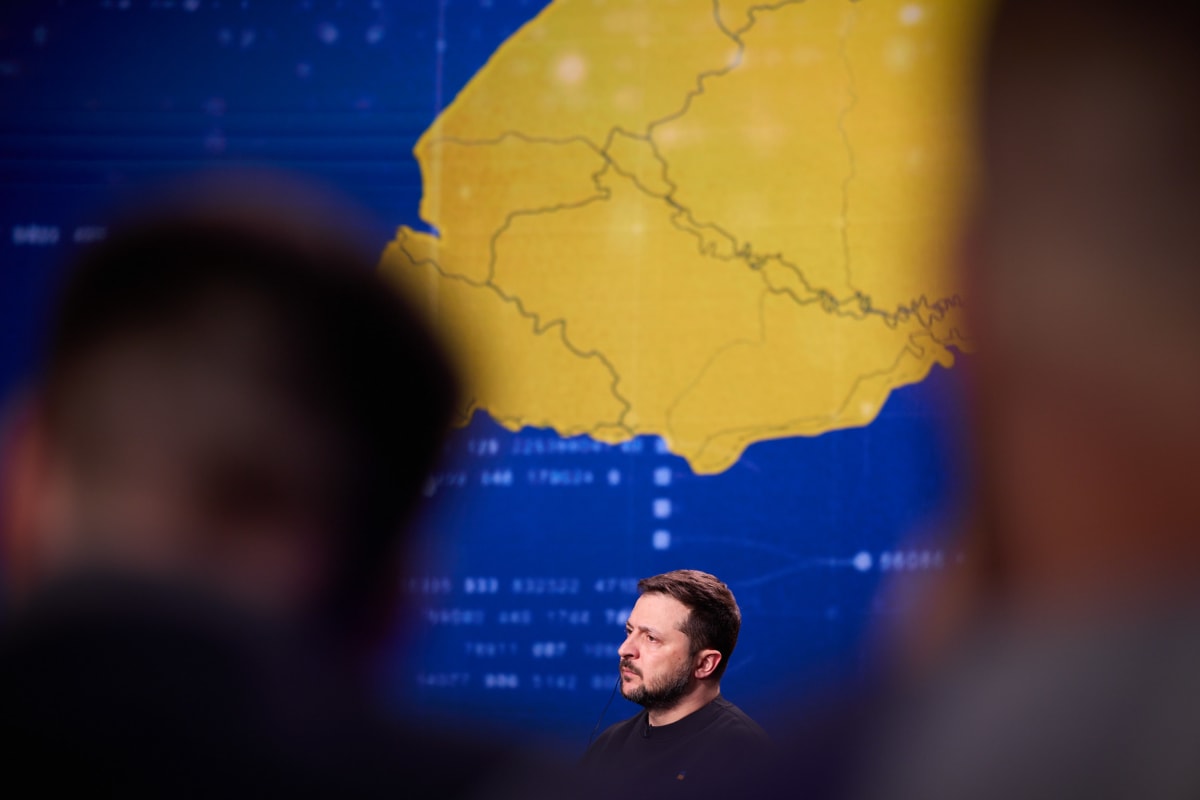
President Volodymyr Zelensky appeared on a live broadcast shortly after Trump’s announcement. In a measured tone, Zelensky affirmed Ukraine’s support for any initiative that would protect civilians, stating:

"If there is a genuine commitment to stop attacks on our energy infrastructure, we welcome it. Our people deserve electricity, heating, and the dignity of a functioning grid."

Zelensky’s endorsement was notable for two reasons:

  1. It marked the first time the Ukrainian leadership publicly echoed a claim made by a former U.S. president without independent verification.
  2. It signaled a willingness to explore diplomatic avenues, even with a figure who has been critical of NATO’s approach to the conflict.

Russian Counteractions

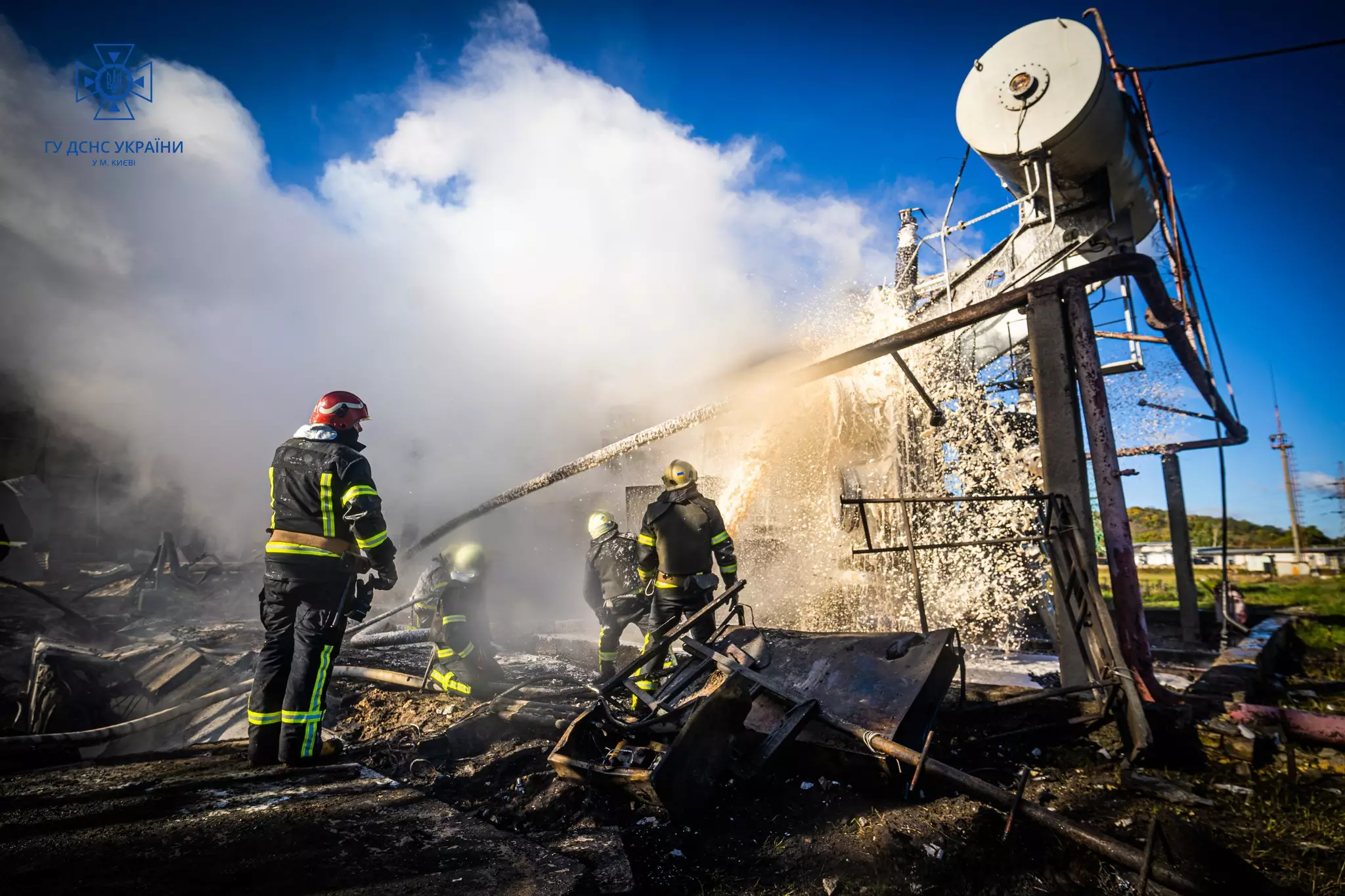
Despite the diplomatic fanfare, Russian military operations continued unabated. On the same day, Russian missile strikes hit two major power plants in the Kharkiv and Zaporizhzhia regions, causing widespread outages and prompting emergency repairs.

CNA reported: "Russia hits Ukraine power plants despite Trump energy ceasefire claim," highlighting the stark contrast between rhetoric and battlefield realities. The attacks underscored Moscow’s strategic calculus: using energy infrastructure as leverage to destabilize Ukraine and pressure Western allies.

International Reactions

Western capitals reacted with caution. The European Union issued a statement urging verification of any ceasefire terms and emphasizing that any violation of international humanitarian law would be condemned. NATO Secretary‑General Jens Stoltenberg warned that unverified claims could not replace concrete actions on the ground.

In contrast, several Asian media outlets, particularly in India, amplified the narrative, reflecting the high search volume on Google Trends. Analysts speculated that the surge was driven by a mix of curiosity about Trump’s post‑presidential diplomacy and concern over global energy prices.
Russian missile strike power plant Russian missile strike power plant

Implications for Energy Security

The alleged ceasefire, if genuine, could have far‑reaching effects:

  • Europe’s Winter Preparedness: A reduction in attacks would stabilize power imports from Ukraine, easing the burden on European grids that are already stretched thin.
  • Reconstruction Funding: International donors might accelerate reconstruction grants for Ukraine’s grid if a ceasefire creates a more predictable environment.
  • Geopolitical Leverage: The United States could leverage the ceasefire narrative to re‑engage with Russia on broader diplomatic tracks, potentially reshaping the conflict’s trajectory.

However, the continued Russian strikes cast doubt on the durability of any such agreement. Without a robust monitoring mechanism—perhaps under the auspices of the International Atomic Energy Agency (IAEA) or the UN—claims of a ceasefire risk becoming mere propaganda tools.

Editorial Analysis & Future Outlook

The episode illustrates how political statements can quickly become viral search trends, especially when they involve high‑profile figures like Trump and Zelensky. While Zelensky’s tentative endorsement may be a tactical move to keep diplomatic channels open, the on‑ground reality—persistent Russian attacks—suggests that any ceasefire is, at best, fragile.

Looking ahead, three scenarios are plausible:

  1. Genuine Ceasefire with International Oversight: If a verifiable ceasefire materializes, it could pave the way for a broader humanitarian corridor and accelerate energy sector rebuilding.
  2. Symbolic Gesture, No Real Change: The claim may remain a diplomatic talking point, with Russia continuing its campaign, thereby reinforcing the status quo of energy insecurity.
  3. Escalation and Retaliation: Should Ukraine or its allies perceive the ceasefire claim as a ploy, they may increase support for defensive measures, potentially escalating the conflict.

For policymakers, the key takeaway is the need for transparent verification mechanisms and multilateral engagement to ensure that rhetoric translates into tangible protection for civilians. The world’s energy future—particularly Europe’s—depends on whether the lights in Ukraine can stay on.


This analysis draws on verified reports from BBC, CNA, and CNN, and reflects on the broader geopolitical and energy‑security implications of the emerging “energy ceasefire” narrative.


Original Reporting & Source: Google Trends (India)

Discussion (0)

Sign in to join the discussion.

No comments yet. Be the first to start the conversation!

| |

Zelensky Backs Trump’s ‘Energy Ceasefire’ Claim: What It Means for Ukraine’s Power Grid

By Umang Sisodia • 5 min read • 1 view

Key Takeaways

  • President Zelensky publicly backs President Trump’s claim of an "energy ceasefire," signaling a rare diplomatic overture amid ongoing conflict.
  • Russia continues to target Ukrainian power plants, undermining any de‑facto ceasefire and threatening Europe’s winter energy security.
  • The announcement has sparked mixed reactions worldwide, with allies questioning the veracity of the ceasefire while urging a focus on humanitarian aid.
  • Long‑term implications could reshape energy diplomacy, NATO’s strategic calculations, and Ukraine’s reconstruction roadmap.

Background

The war in Ukraine has turned the country’s energy infrastructure into a strategic battlefield. Since February 2022, Russian forces have repeatedly struck power stations, substations, and transmission lines, plunging millions into darkness and forcing Europe to scramble for alternative gas and electricity supplies. The relentless attacks have not only crippled Ukraine’s domestic grid but also strained the broader European energy market, especially as winter approaches.

The Trump Energy Ceasefire Announcement

On a televised press briefing, former U.S. President Donald Trump declared that Ukraine and Russia had agreed to an "energy ceasefire" – a pact that would halt attacks on civilian energy facilities. Trump framed the claim as a diplomatic breakthrough, suggesting that both sides recognized the humanitarian imperative of keeping lights on for civilians.

"We have a very good deal. They have agreed to stop hitting power plants. It's a huge step forward for the people of Ukraine and for the world," Trump said.

The statement quickly trended on Google in India, where the query "trump" spiked beyond 100 searches per minute, reflecting global curiosity and skepticism.

Ukraine’s Response

President Volodymyr Zelensky appeared on a live broadcast shortly after Trump’s announcement. In a measured tone, Zelensky affirmed Ukraine’s support for any initiative that would protect civilians, stating:

"If there is a genuine commitment to stop attacks on our energy infrastructure, we welcome it. Our people deserve electricity, heating, and the dignity of a functioning grid."

Zelensky’s endorsement was notable for two reasons:

  1. It marked the first time the Ukrainian leadership publicly echoed a claim made by a former U.S. president without independent verification.
  2. It signaled a willingness to explore diplomatic avenues, even with a figure who has been critical of NATO’s approach to the conflict.

Russian Counteractions

Despite the diplomatic fanfare, Russian military operations continued unabated. On the same day, Russian missile strikes hit two major power plants in the Kharkiv and Zaporizhzhia regions, causing widespread outages and prompting emergency repairs.

CNA reported: "Russia hits Ukraine power plants despite Trump energy ceasefire claim," highlighting the stark contrast between rhetoric and battlefield realities. The attacks underscored Moscow’s strategic calculus: using energy infrastructure as leverage to destabilize Ukraine and pressure Western allies.

International Reactions

Western capitals reacted with caution. The European Union issued a statement urging verification of any ceasefire terms and emphasizing that any violation of international humanitarian law would be condemned. NATO Secretary‑General Jens Stoltenberg warned that unverified claims could not replace concrete actions on the ground.

In contrast, several Asian media outlets, particularly in India, amplified the narrative, reflecting the high search volume on Google Trends. Analysts speculated that the surge was driven by a mix of curiosity about Trump’s post‑presidential diplomacy and concern over global energy prices.

Russian missile strike power plant Russian missile strike power plant

Implications for Energy Security

The alleged ceasefire, if genuine, could have far‑reaching effects:

  • Europe’s Winter Preparedness: A reduction in attacks would stabilize power imports from Ukraine, easing the burden on European grids that are already stretched thin.
  • Reconstruction Funding: International donors might accelerate reconstruction grants for Ukraine’s grid if a ceasefire creates a more predictable environment.
  • Geopolitical Leverage: The United States could leverage the ceasefire narrative to re‑engage with Russia on broader diplomatic tracks, potentially reshaping the conflict’s trajectory.

However, the continued Russian strikes cast doubt on the durability of any such agreement. Without a robust monitoring mechanism—perhaps under the auspices of the International Atomic Energy Agency (IAEA) or the UN—claims of a ceasefire risk becoming mere propaganda tools.

Editorial Analysis & Future Outlook

The episode illustrates how political statements can quickly become viral search trends, especially when they involve high‑profile figures like Trump and Zelensky. While Zelensky’s tentative endorsement may be a tactical move to keep diplomatic channels open, the on‑ground reality—persistent Russian attacks—suggests that any ceasefire is, at best, fragile.

Looking ahead, three scenarios are plausible:

  1. Genuine Ceasefire with International Oversight: If a verifiable ceasefire materializes, it could pave the way for a broader humanitarian corridor and accelerate energy sector rebuilding.
  2. Symbolic Gesture, No Real Change: The claim may remain a diplomatic talking point, with Russia continuing its campaign, thereby reinforcing the status quo of energy insecurity.
  3. Escalation and Retaliation: Should Ukraine or its allies perceive the ceasefire claim as a ploy, they may increase support for defensive measures, potentially escalating the conflict.

For policymakers, the key takeaway is the need for transparent verification mechanisms and multilateral engagement to ensure that rhetoric translates into tangible protection for civilians. The world’s energy future—particularly Europe’s—depends on whether the lights in Ukraine can stay on.


This analysis draws on verified reports from BBC, CNA, and CNN, and reflects on the broader geopolitical and energy‑security implications of the emerging “energy ceasefire” narrative.


Original Reporting & Source: Google Trends (India)