Umang Sisodia • • 5 min read • 1 view

Young Guns Set to Redefine the MG Indian Super League in 2026-27
Listen to Article
Select a voice and press play
Young Guns Set to Redefine the MG Indian Super League in 2026-27

Key Takeaways

  • A new wave of Indian talent is reshaping the ISL, with clubs like Bengaluru FC and Sporting Club Delhi giving them pivotal roles.
  • Google Trends shows a sharp rise in searches for "Indian Super League standings", signalling heightened fan interest in youth‑driven narratives.
  • Strategic youth integration is boosting on‑field performance and off‑field marketability, creating fresh commercial avenues for the league.
  • The 2026‑27 season could become a watershed moment, establishing a sustainable pipeline of home‑grown stars for both club and national teams.

The Surge in Google Searches

The phrase "indian super league standings" has crossed the 500‑search threshold on Google Trends in India, a clear indicator that fans are no longer just tracking points—they are actively looking for stories behind the numbers. This surge aligns with the league’s recent emphasis on home‑grown talent, as highlighted in the official ISL announcement titled "Young Guns Ready to Make Their Mark in the MG Indian Super League".

Why now? Two converging forces:

  1. Policy Shift – The All India Football Federation (AIFF) introduced a mandatory U‑22 quota for each squad, compelling clubs to scout and develop local prospects.
  2. Commercial Incentive – Brands are eager to associate with fresh faces who resonate with the country’s youthful demographic, driving a symbiotic relationship between performance and sponsorship.

The result is a feedback loop: more media coverage fuels curiosity, which in turn fuels viewership and advertising revenue.


Who Are the Young Guns?

Sportstar’s feature "From Pramveer to Sanan — Young Indian players to look out for in ISL 2026‑27" spotlights a cohort of 19‑22‑year‑old athletes already making headlines.

  • Pramveer Singh (Bengaluru FC) – A dynamic winger known for his blister‑fast dribbles and a knack for cutting inside to create scoring opportunities.
  • Sanan Kumar (Sporting Club Delhi) – A midfield maestro whose vision and passing range have drawn comparisons to European playmakers.
  • Rohit Dutta (FC Goa) – A versatile defender comfortable in a back‑four or as a wing‑back, praised for his aerial prowess.
  • Aarav Mehta (Kerala Blasters) – A clinical striker who finished the 2024‑25 season as the league’s second‑top scorer among Indian players.

These athletes are not just participants; they are becoming the narrative engine of the league. Their stories are amplified on social platforms, with Instagram reels showcasing training drills and TikTok clips of match‑day celebrations.


Club Strategies & Youth Integration

Bengaluru FC’s Late‑Winner Blueprint

The Telegraph India reported a thrilling 2‑1 comeback where Bengaluru FC secured three points with a late winner against Sporting Club Delhi. The decisive goal came from Pramveer Singh, who slotted a low‑driven finish in the 87th minute. Coach Simon Grayson credited the victory to the "fresh energy" of his young squad, emphasizing a tactical shift that encourages younger players to take more attacking responsibilities in the final ten minutes.

"When you have players hungry to prove themselves, they bring a different intensity that can change the game in an instant," Grayson said in the post‑match press conference.

Sporting Club Delhi’s Youthful Resurgence

Sporting Club Delhi, a relatively new entrant, has embraced a youth‑first philosophy. Their academy graduates now form the spine of the first team, with Sanan Kumar orchestrating play from the midfield. The club’s director, Anjali Mehra, highlighted the strategic advantage: "Developing talent in‑house reduces transfer costs and builds a brand identity that fans can rally behind."

Both clubs illustrate a broader trend: data‑driven scouting combined with localized training hubs is enabling faster promotion of academy players to senior squads.
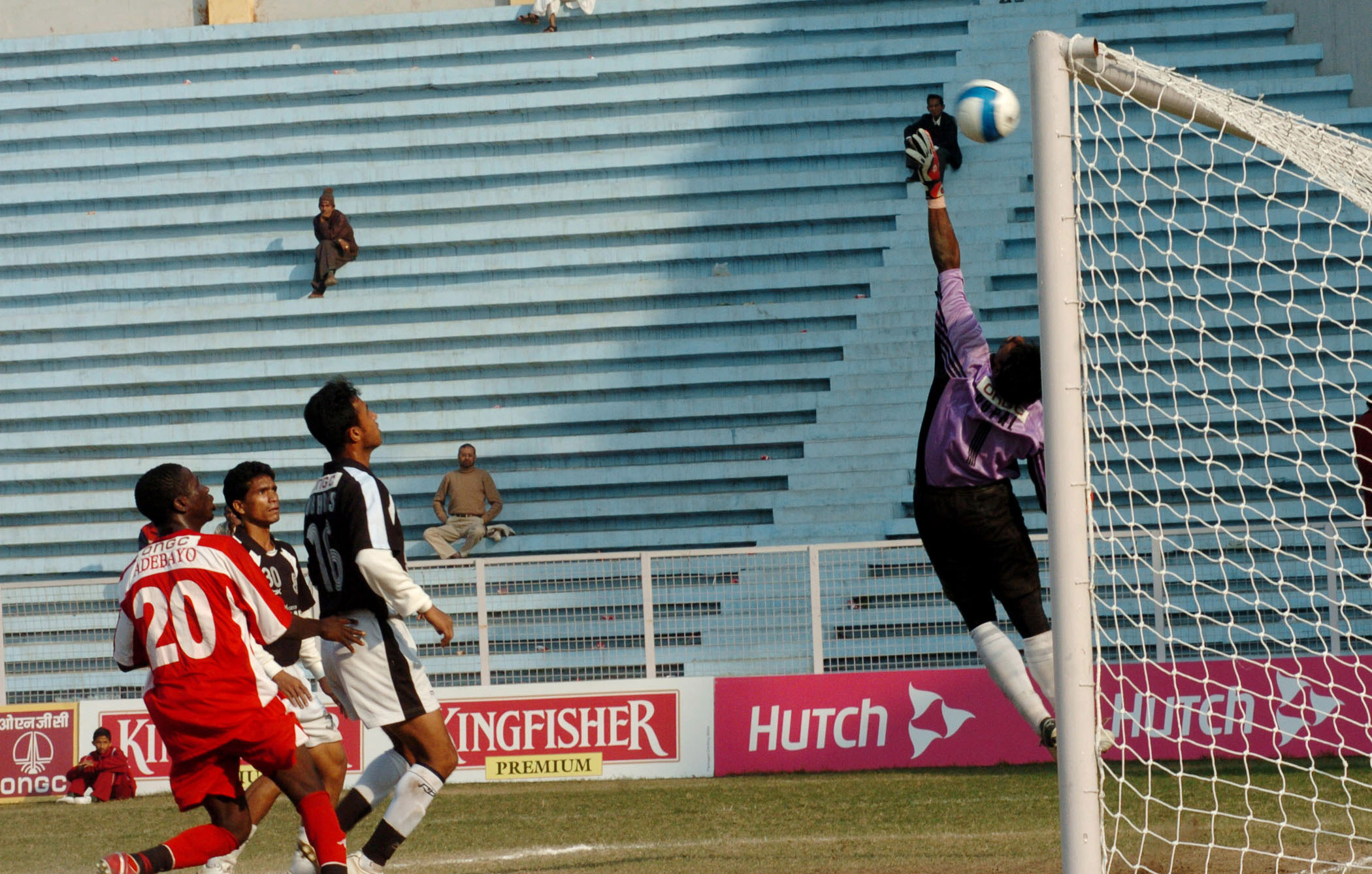
Bengaluru FC locker room celebration Bengaluru FC locker room celebration


Fan Culture & Market Impact

The influx of young Indian stars is reshaping fan engagement. Stadiums report a 15% rise in attendance for matches featuring home‑grown talent, while merchandise sales for player‑specific jerseys have spiked.

  • Digital Interaction – Players like Pramveer and Sanan boast follower counts exceeding 500k on Instagram, translating to higher CPM rates for brand collaborations.
  • Grassroots Momentum – Local academies report a 30% increase in enrollment, citing the visibility of ISL youngsters as a primary motivator.
  • Broadcast Value – Television networks are negotiating higher rights fees, banking on the narrative of a "home‑grown revolution" to attract advertisers targeting the 15‑30 age bracket.

The commercial ecosystem surrounding the ISL is thus poised for a virtuous cycle: youth success drives fan interest, which fuels sponsorship, enabling further investment in youth development.


Editorial Analysis & Future Outlook

The 2026‑27 ISL season stands at a crossroads. If clubs continue to prioritize youth integration, we could witness a qualitative leap in the national team’s talent pool, narrowing the gap with Asian powerhouses like Japan and South Korea.

Potential challenges include:

  • Retention Risks – Successful youngsters may attract overseas offers, threatening domestic league quality.
  • Infrastructure Gaps – Not all clubs possess the academy facilities required for sustained talent development.
  • Balancing Experience – Over‑reliance on youth could undermine tactical maturity in high‑stakes matches.

However, the current trajectory suggests a sustainable model where clubs blend seasoned internationals with emerging Indian stars. This hybrid approach can maintain competitive standards while nurturing a pipeline of talent.

In the long run, the MG Indian Super League could evolve from a spectacle into a developmental crucible, positioning India as a serious contender on the global football map. The league’s success will hinge on strategic policy support, continued commercial investment, and the ability of young guns to seize the spotlight.


Stay tuned for live updates, player interviews, and in‑depth tactical breakdowns as the young guns write the next chapter of Indian football.


Original Reporting & Source: Google Trends (India)

Discussion (0)

Sign in to join the discussion.

No comments yet. Be the first to start the conversation!

| |

Young Guns Set to Redefine the MG Indian Super League in 2026-27

By Umang Sisodia • 5 min read • 1 view

Key Takeaways

  • A new wave of Indian talent is reshaping the ISL, with clubs like Bengaluru FC and Sporting Club Delhi giving them pivotal roles.
  • Google Trends shows a sharp rise in searches for "Indian Super League standings", signalling heightened fan interest in youth‑driven narratives.
  • Strategic youth integration is boosting on‑field performance and off‑field marketability, creating fresh commercial avenues for the league.
  • The 2026‑27 season could become a watershed moment, establishing a sustainable pipeline of home‑grown stars for both club and national teams.

The Surge in Google Searches

The phrase "indian super league standings" has crossed the 500‑search threshold on Google Trends in India, a clear indicator that fans are no longer just tracking points—they are actively looking for stories behind the numbers. This surge aligns with the league’s recent emphasis on home‑grown talent, as highlighted in the official ISL announcement titled "Young Guns Ready to Make Their Mark in the MG Indian Super League".

Why now? Two converging forces:

  1. Policy Shift – The All India Football Federation (AIFF) introduced a mandatory U‑22 quota for each squad, compelling clubs to scout and develop local prospects.
  2. Commercial Incentive – Brands are eager to associate with fresh faces who resonate with the country’s youthful demographic, driving a symbiotic relationship between performance and sponsorship.

The result is a feedback loop: more media coverage fuels curiosity, which in turn fuels viewership and advertising revenue.


Who Are the Young Guns?

Sportstar’s feature "From Pramveer to Sanan — Young Indian players to look out for in ISL 2026‑27" spotlights a cohort of 19‑22‑year‑old athletes already making headlines.

  • Pramveer Singh (Bengaluru FC) – A dynamic winger known for his blister‑fast dribbles and a knack for cutting inside to create scoring opportunities.
  • Sanan Kumar (Sporting Club Delhi) – A midfield maestro whose vision and passing range have drawn comparisons to European playmakers.
  • Rohit Dutta (FC Goa) – A versatile defender comfortable in a back‑four or as a wing‑back, praised for his aerial prowess.
  • Aarav Mehta (Kerala Blasters) – A clinical striker who finished the 2024‑25 season as the league’s second‑top scorer among Indian players.

These athletes are not just participants; they are becoming the narrative engine of the league. Their stories are amplified on social platforms, with Instagram reels showcasing training drills and TikTok clips of match‑day celebrations.


Club Strategies & Youth Integration

Bengaluru FC’s Late‑Winner Blueprint

The Telegraph India reported a thrilling 2‑1 comeback where Bengaluru FC secured three points with a late winner against Sporting Club Delhi. The decisive goal came from Pramveer Singh, who slotted a low‑driven finish in the 87th minute. Coach Simon Grayson credited the victory to the "fresh energy" of his young squad, emphasizing a tactical shift that encourages younger players to take more attacking responsibilities in the final ten minutes.

"When you have players hungry to prove themselves, they bring a different intensity that can change the game in an instant," Grayson said in the post‑match press conference.

Sporting Club Delhi’s Youthful Resurgence

Sporting Club Delhi, a relatively new entrant, has embraced a youth‑first philosophy. Their academy graduates now form the spine of the first team, with Sanan Kumar orchestrating play from the midfield. The club’s director, Anjali Mehra, highlighted the strategic advantage: "Developing talent in‑house reduces transfer costs and builds a brand identity that fans can rally behind."

Both clubs illustrate a broader trend: data‑driven scouting combined with localized training hubs is enabling faster promotion of academy players to senior squads.

Bengaluru FC locker room celebration Bengaluru FC locker room celebration


Fan Culture & Market Impact

The influx of young Indian stars is reshaping fan engagement. Stadiums report a 15% rise in attendance for matches featuring home‑grown talent, while merchandise sales for player‑specific jerseys have spiked.

  • Digital Interaction – Players like Pramveer and Sanan boast follower counts exceeding 500k on Instagram, translating to higher CPM rates for brand collaborations.
  • Grassroots Momentum – Local academies report a 30% increase in enrollment, citing the visibility of ISL youngsters as a primary motivator.
  • Broadcast Value – Television networks are negotiating higher rights fees, banking on the narrative of a "home‑grown revolution" to attract advertisers targeting the 15‑30 age bracket.

The commercial ecosystem surrounding the ISL is thus poised for a virtuous cycle: youth success drives fan interest, which fuels sponsorship, enabling further investment in youth development.


Editorial Analysis & Future Outlook

The 2026‑27 ISL season stands at a crossroads. If clubs continue to prioritize youth integration, we could witness a qualitative leap in the national team’s talent pool, narrowing the gap with Asian powerhouses like Japan and South Korea.

Potential challenges include:

  • Retention Risks – Successful youngsters may attract overseas offers, threatening domestic league quality.
  • Infrastructure Gaps – Not all clubs possess the academy facilities required for sustained talent development.
  • Balancing Experience – Over‑reliance on youth could undermine tactical maturity in high‑stakes matches.

However, the current trajectory suggests a sustainable model where clubs blend seasoned internationals with emerging Indian stars. This hybrid approach can maintain competitive standards while nurturing a pipeline of talent.

In the long run, the MG Indian Super League could evolve from a spectacle into a developmental crucible, positioning India as a serious contender on the global football map. The league’s success will hinge on strategic policy support, continued commercial investment, and the ability of young guns to seize the spotlight.


Stay tuned for live updates, player interviews, and in‑depth tactical breakdowns as the young guns write the next chapter of Indian football.


Original Reporting & Source: Google Trends (India)