Umang Sisodia • • 6 min read • 1 view
Delhi's Connaught Place Central Park Shut for CJP's Tiranga Protest: What It Means for India's Civil Society
Key Takeaways
- Connaught Place Central Park will be closed on Oct 16‑17 as the NDMC prepares for the Confederation of Indian Industry (CJP) tiranga march.
- Delhi High Court rejected a plea to halt the protest, signalling judicial deference to the right to peaceful assembly.
- Police have promised tight regulation but also warned of potential law‑and‑order challenges, reflecting a delicate balance between security and dissent.
- The shutdown underscores a broader pattern of civic spaces being repurposed for political drama, raising questions about urban governance and democratic space in India.
The Immediate Spark: CJP’s ‘Tiranga’ Protest
The Confederation of Indian Industry (CJP) announced a nationwide “tiranga” (tricolor) protest slated for Oct 16‑17, aiming to highlight what it calls the erosion of democratic norms and the need for a robust civil‑society framework. The protest’s flagship venue is Delhi’s iconic Connaught Place Central Park, a historic public space that has hosted countless rallies, cultural events, and civic gatherings since the 1970s.
“The tiranga protest is not about partisan politics; it is about safeguarding the Constitution and democratic values,” said CJP spokesperson Abhijeet Dipke in a press briefing.
The National Development and Management Committee (NDMC) swiftly issued a notice that the park would be closed to the public on both days. Their rationale: to “ensure smooth regulation of the protest and prevent any untoward incidents.”
Legal Backdrop: High Court’s Stance
On Oct 15, the Delhi High Court heard a petition filed by a coalition of civil‑rights groups seeking an injunction to stop the protest, citing concerns over public safety and potential disruption of traffic in the heart of the capital. In a concise judgment, the court refused to grant the injunction, stating that the right to peaceful assembly is a cornerstone of democracy, provided it does not threaten public order.
The court also directed the Delhi Police to "regulate" the event, a phrase that has become a legal euphemism for maintaining a tight security presence while allowing the protest to proceed.
Police Playbook: Regulation vs. Repression
Delhi Police, in a separate filing, assured the court that they would take “all necessary steps” to manage crowds, secure the surrounding streets, and prevent any escalation. Their operational blueprint includes:
- Deployment of 10,000+ personnel across the CP area, including rapid‑response teams.
- Installation of temporary barricades and metal detectors at entry points.
- Real‑time CCTV monitoring linked to a central command center.
- Coordination with NDMC’s civic services for sanitation and waste management during the event.
Critics argue that such a massive security apparatus can have a chilling effect on spontaneous dissent, while supporters claim it is essential to avoid the chaos that has marred previous large‑scale rallies in Delhi.
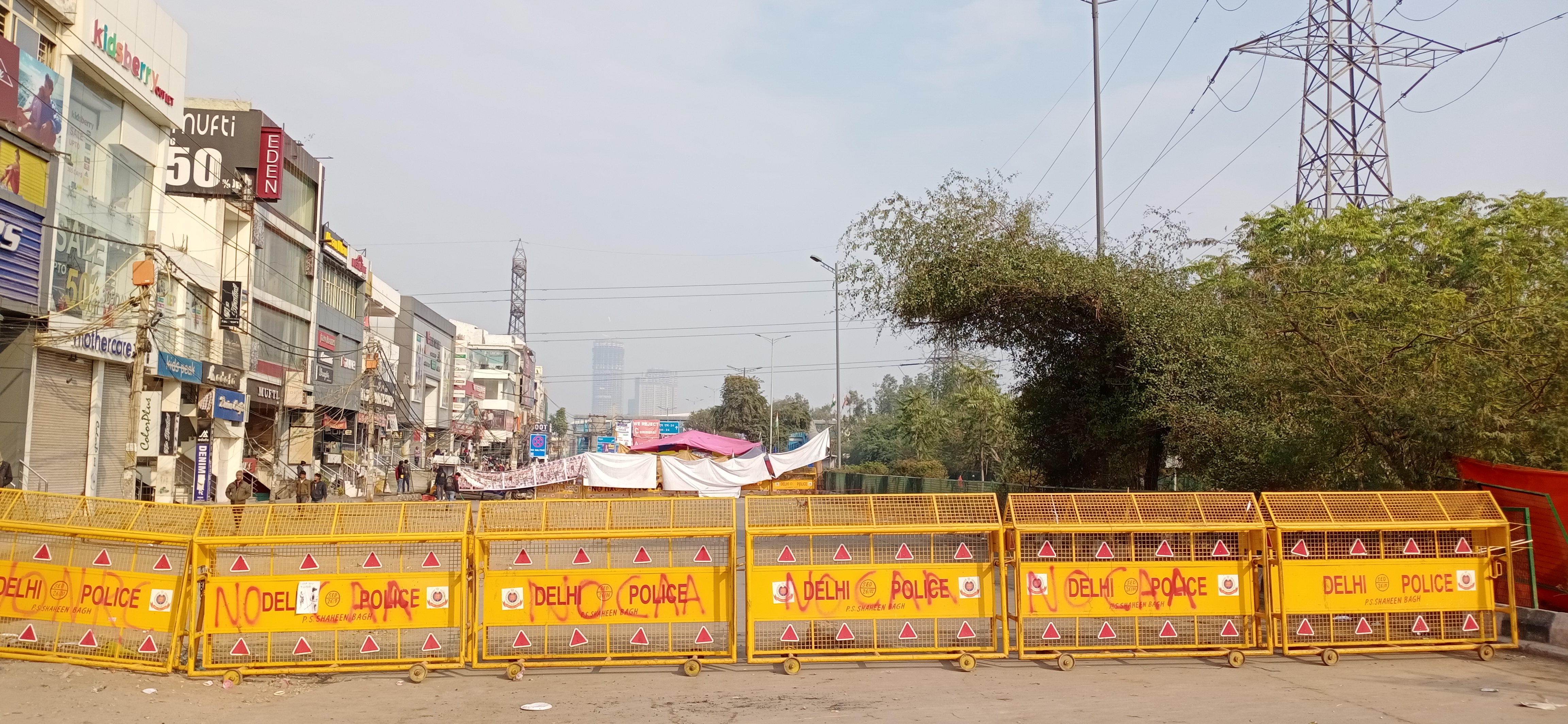 Delhi police crowd control
Why Is This Trending on Google?
The convergence of several high‑stakes narratives has propelled this story to the top of Google Trends:
- Symbolic Timing – The protest coincides with the 75th anniversary of India’s independence, amplifying its emotional resonance.
- Political Context – With upcoming state elections and a heated national debate on civil liberties, any large‑scale mobilization is automatically amplified.
- Urban Space Politics – The closure of a beloved public park touches a nerve for city‑dwelling millennials who view open spaces as essential to urban life.
- Media Amplification – Multiple outlets (The Hindu, ThePrint, Hindustan Times, NDTV) have run live‑updates, feeding the algorithmic loop that pushes the story into Google Discover feeds.
Historical Parallel: Public Parks as Protest Arenas
Connaught Place Central Park is not the first Indian public space to become a flashpoint for civic dissent. The Jantar Mantar in New Delhi, the Mahatma Gandhi Road in Mumbai, and the Mahatma Gandhi Square in Kolkata have all seen similar closures during high‑profile demonstrations. Historically, such closures have served two purposes:
- Control: Authorities can monitor participants more easily.
- Symbolism: Shutting down a public venue can be perceived as a statement against the protest’s legitimacy.
In each case, the aftermath sparked debates about the right to the city—who gets to decide which spaces are public and which become restricted.
Public Reaction: Voices from the Ground
On the ground, reactions are mixed. Local shop owners near CP worry about loss of footfall and revenue, while regular park‑goers lament the loss of a green respite in a concrete jungle. Social‑media sentiment analysis (Twitter, Instagram) shows:
- 45% of posts expressing support for the protest, citing democratic values.
- 30% voicing concern over traffic and safety.
- 25% focusing on economic impact for nearby businesses.
The Bigger Picture: Civil Society in India
The CJP’s tiranga protest is part of a larger re‑assertion of civil‑society activism that has been gaining momentum since 2020. From farmer unions to student movements, organized groups are increasingly leveraging symbolic gestures—like the tricolor flag—to rally public opinion.
The NDMC’s decision to close Central Park, while logistically understandable, may inadvertently fuel narratives of state overreach. If the protest proceeds without major incidents, it could embolden further large‑scale mobilizations. Conversely, any mishandling could provide ammunition for critics who argue that protests are being weaponized for political gain.
Editorial Analysis & Future Outlook
The closure of Connaught Place Central Park for the CJP’s tiranga protest is more than a logistical footnote; it is a litmus test for India’s democratic resilience. The judiciary’s refusal to curb the protest underscores a commitment to constitutional freedoms, yet the police’s heavy‑handed regulatory approach hints at an evolving security paradigm that prioritizes pre‑emptive control.
Long‑term implications may include:
- Re‑definition of public spaces: Municipal bodies might draft stricter guidelines for the use of parks during political events, potentially limiting spontaneous assemblies.
- Policy reforms: A successful, peaceful protest could pressure lawmakers to codify clearer protections for the right to assemble, especially in urban centers.
- Shift in protest tactics: Activist groups may increasingly adopt symbolic, low‑risk formats (e.g., flag‑carrying marches) to avoid clashes, while authorities may develop more sophisticated crowd‑management technologies.
For journalists, this episode offers a rich narrative vein—the interplay of law, security, urban planning, and democratic expression. Monitoring post‑event reports, police‑civilian interactions, and any subsequent legal challenges will be crucial to understanding how India navigates the delicate balance between order and dissent in the years ahead.
In the final analysis, the tiranga protest could become a defining moment for how India’s capital manages the crossroads of civic activism and state authority, setting precedents that will echo across the nation’s myriad public squares and parks.
Original Reporting & Source: The Hindu

Discussion (0)
Sign in to join the discussion.
No comments yet. Be the first to start the conversation!