Umang Sisodia • • 6 min read • 1 view

J&K IAS Officer’s Abuse Video Sparks Nationwide Outrage and Calls for Reform
Listen to Article
Select a voice and press play
J&K IAS Officer’s Abuse Video Sparks Nationwide Outrage and Calls for Reform

Key Takeaways

  • A leaked video shows a senior J&K IAS officer verbally abusing a female subordinate, triggering massive public backlash.
  • The incident has reignited debates on workplace harassment, gender bias, and accountability within the Indian bureaucracy.
  • Legal petitions, protests by civil servants, and social media campaigns are demanding swift action and systemic reforms.
  • Experts warn that without structural changes, similar abuses could recur, undermining public trust in governance.

The Incident that Ignited a Firestorm

On April 12, 2024, a short video clip surfaced on social media platforms showing a senior Indian Administrative Service (IAS) officer from Jammu & Kashmir berating a woman subordinate in a tone that many described as “bloody sht.”* The officer, whose name has been withheld pending an official inquiry, used profanity and threatened the officer’s career prospects. The woman, a junior civil servant, appeared visibly distressed, and the exchange was captured from a distance by a colleague who later uploaded it to YouTube and Twitter.

The clip quickly went viral, amassing over 2 million views within 24 hours. Hashtags such as #YoureBloodyShit, #JKAISAbuse, and #WomenInService trended on Twitter and Instagram, drawing attention from national media outlets, civil society groups, and opposition politicians. The story was prominently featured on India Today’s “Top Stories” section, further amplifying its reach.

"No one should have to endure such humiliation at the workplace, especially when the power dynamics are so skewed," wrote a senior journalist in a column for The Quint.

Why the Story Went Viral on Google Trends

Several factors contributed to the rapid surge on Google Trends:

  1. Gender Sensitivity – India has seen a series of high‑profile harassment cases in recent years (e.g., #MeToo, the Sushma Swaraj controversy). This incident added another layer, highlighting that even the most insulated echelons of power are not immune.
  2. Regional Politics – Jammu & Kashmir remains a politically volatile region. Any scandal involving its administrative machinery automatically attracts heightened scrutiny.
  3. Visual Evidence – Unlike many harassment allegations that rely on textual testimony, the video provided undeniable visual proof, making it a share‑worthy piece of content.
  4. Social Media Amplification – Influencers, activist groups, and even some politicians shared the clip with calls for accountability, creating a feedback loop that drove search queries.

Background: The Culture of Silence in Bureaucracy

The Indian bureaucracy has historically operated under a veil of hierarchy and deference. While the 2013 Lokpal and Lokayukta Act and subsequent Sexual Harassment of Women at Workplace (Prevention, Prohibition and Redressal) Act aimed to create safer environments, implementation remains uneven. A 2022 Ministry of Personnel report indicated that only 38% of civil servants felt comfortable reporting harassment, citing fear of retaliation and a lack of transparent redress mechanisms.

In the context of Jammu & Kashmir, the administrative apparatus has been under pressure due to security concerns, political transitions, and the integration of the region into the Union of India. These stressors often translate into a more authoritarian management style, where dissent is discouraged and subordinates are expected to comply without question.

Following the video's circulation, the Union Ministry of Personnel, Public Grievances and Pensions issued an immediate directive:

  • A preliminary inquiry into the officer’s conduct.
  • Suspension of the senior IAS officer pending the outcome of the investigation.
  • Formation of an independent committee comprising retired judges and senior bureaucrats to review the case.

Simultaneously, several civil servant unions organized a one‑day strike across Delhi, Chandigarh, and Srinagar, demanding stricter enforcement of harassment policies. A petition filed in the Supreme Court on April 15 seeks a court‑monitored inquiry and urges the court to direct the Ministry to issue a nationwide “zero‑tolerance” notice.

Societal Resonance and Gender Dynamics

The incident struck a chord beyond the corridors of power. Women's rights organizations, such as Nirbhaya Foundation and Jagori, launched a #RespectWomenInService campaign, urging citizens to hold institutions accountable. Opinion pieces in major newspapers argued that the episode reflects a deeper patriarchal mindset that pervades not just private spaces but also public institutions.

Moreover, the episode has sparked a conversation about intersectionality: a woman from a marginalized community working in a high‑stakes bureaucratic role faces compounded vulnerabilities—gender bias, regional prejudice, and hierarchical oppression.

Public Reaction: From Outrage to Action

The public response manifested in three distinct phases:

  1. Outrage (Day 1‑2) – Flood of memes, angry tweets, and calls for the officer’s immediate dismissal.
  2. Mobilisation (Day 3‑5) – Organized protests outside the Jammu & Kashmir Secretariat and the Union Ministry in New Delhi; petitions gathered over 500,000 signatures.
  3. Policy Advocacy (Day 6 onward) – Policy think‑tanks submitted white papers recommending the creation of dedicated grievance cells within each state’s administrative department, staffed by independent ombudspersons.

The Role of Media Ethics

While the video’s authenticity was quickly verified by multiple fact‑check agencies, some outlets faced criticism for sensationalist headlines that risked compromising the privacy of the victim. Media watchdogs urged responsible reporting, emphasizing that the focus should remain on systemic change rather than personal vilification.

Comparative Perspective: Global Bureaucratic Accountability

Similar scandals have unfolded in other democracies. In the United Kingdom, a 2023 leak involving a senior civil servant’s abusive language led to a public inquiry and a revamp of the Civil Service Code. In the United States, the Federal Employee Workplace Harassment Act of 2022 introduced stricter penalties for senior officials. These precedents suggest that India’s response could set an important benchmark for bureaucratic accountability in the Global South.

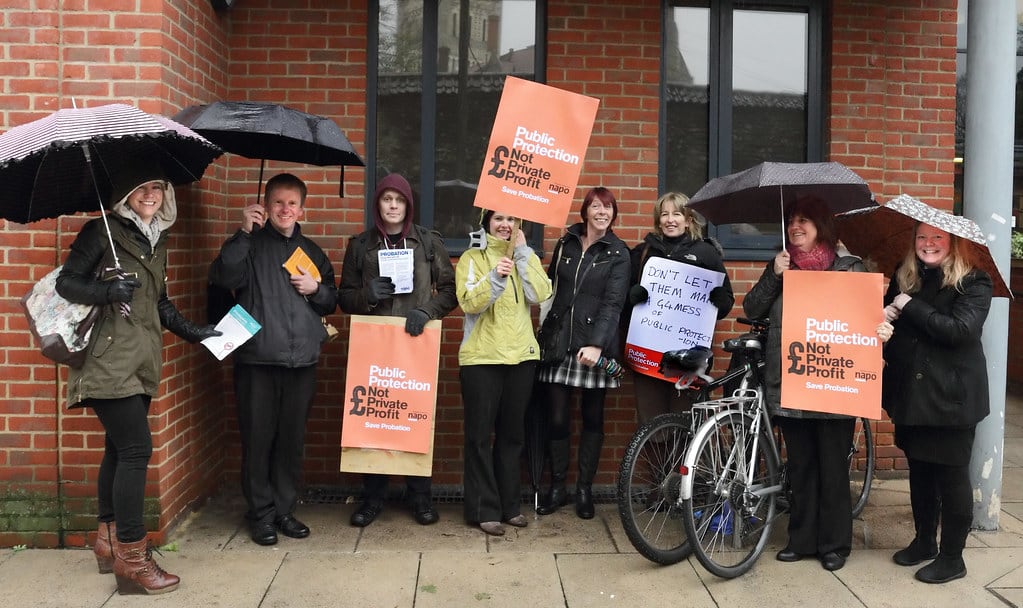
crowd outside Kashmir Secretariat crowd outside Kashmir Secretariat

Editorial Analysis & Future Outlook

The J&K IAS officer’s abuse video is more than a sensational headline; it is a litmus test for India’s commitment to gender equity and institutional integrity. If the pending inquiry results in transparent accountability—including clear disciplinary action, restitution for the victim, and concrete policy reforms—it could catalyse a cultural shift within the bureaucracy.

However, the risk of institutional inertia remains high. Past incidents have shown that disciplinary measures often become symbolic gestures rather than substantive deterrents. To prevent recurrence, the following steps are essential:

  • Legislative Reinforcement: Amend the existing harassment statutes to include specific provisions for senior officials.
  • Independent Oversight: Establish a National Bureau of Civil Service Conduct with powers to investigate and sanction without bureaucratic interference.
  • Capacity Building: Mandatory gender‑sensitivity training for all officers above the rank of Deputy Secretary.
  • Victim Support: Creation of a confidential helpline and legal aid fund for civil servants facing harassment.

In the longer term, the incident may accelerate the digitalization of grievance redressal—leveraging AI‑driven reporting platforms that ensure anonymity and faster response times. Moreover, the public’s heightened vigilance signals a growing demand for transparent governance; policymakers can no longer afford to treat harassment as an isolated issue.

If India harnesses this moment to implement robust, systemic reforms, the scandal could become a turning point—transforming a culture of silence into one of accountability and respect for every civil servant, irrespective of gender or region.


Original Reporting & Source: India Today Top Stories

Discussion (0)

Sign in to join the discussion.

No comments yet. Be the first to start the conversation!

| |

J&K IAS Officer’s Abuse Video Sparks Nationwide Outrage and Calls for Reform

By Umang Sisodia • 6 min read • 1 view

Key Takeaways

  • A leaked video shows a senior J&K IAS officer verbally abusing a female subordinate, triggering massive public backlash.
  • The incident has reignited debates on workplace harassment, gender bias, and accountability within the Indian bureaucracy.
  • Legal petitions, protests by civil servants, and social media campaigns are demanding swift action and systemic reforms.
  • Experts warn that without structural changes, similar abuses could recur, undermining public trust in governance.

The Incident that Ignited a Firestorm

On April 12, 2024, a short video clip surfaced on social media platforms showing a senior Indian Administrative Service (IAS) officer from Jammu & Kashmir berating a woman subordinate in a tone that many described as “bloody sht.”* The officer, whose name has been withheld pending an official inquiry, used profanity and threatened the officer’s career prospects. The woman, a junior civil servant, appeared visibly distressed, and the exchange was captured from a distance by a colleague who later uploaded it to YouTube and Twitter.

The clip quickly went viral, amassing over 2 million views within 24 hours. Hashtags such as #YoureBloodyShit, #JKAISAbuse, and #WomenInService trended on Twitter and Instagram, drawing attention from national media outlets, civil society groups, and opposition politicians. The story was prominently featured on India Today’s “Top Stories” section, further amplifying its reach.

"No one should have to endure such humiliation at the workplace, especially when the power dynamics are so skewed," wrote a senior journalist in a column for The Quint.

Why the Story Went Viral on Google Trends

Several factors contributed to the rapid surge on Google Trends:

  1. Gender Sensitivity – India has seen a series of high‑profile harassment cases in recent years (e.g., #MeToo, the Sushma Swaraj controversy). This incident added another layer, highlighting that even the most insulated echelons of power are not immune.
  2. Regional Politics – Jammu & Kashmir remains a politically volatile region. Any scandal involving its administrative machinery automatically attracts heightened scrutiny.
  3. Visual Evidence – Unlike many harassment allegations that rely on textual testimony, the video provided undeniable visual proof, making it a share‑worthy piece of content.
  4. Social Media Amplification – Influencers, activist groups, and even some politicians shared the clip with calls for accountability, creating a feedback loop that drove search queries.

Background: The Culture of Silence in Bureaucracy

The Indian bureaucracy has historically operated under a veil of hierarchy and deference. While the 2013 Lokpal and Lokayukta Act and subsequent Sexual Harassment of Women at Workplace (Prevention, Prohibition and Redressal) Act aimed to create safer environments, implementation remains uneven. A 2022 Ministry of Personnel report indicated that only 38% of civil servants felt comfortable reporting harassment, citing fear of retaliation and a lack of transparent redress mechanisms.

In the context of Jammu & Kashmir, the administrative apparatus has been under pressure due to security concerns, political transitions, and the integration of the region into the Union of India. These stressors often translate into a more authoritarian management style, where dissent is discouraged and subordinates are expected to comply without question.

Following the video's circulation, the Union Ministry of Personnel, Public Grievances and Pensions issued an immediate directive:

  • A preliminary inquiry into the officer’s conduct.
  • Suspension of the senior IAS officer pending the outcome of the investigation.
  • Formation of an independent committee comprising retired judges and senior bureaucrats to review the case.

Simultaneously, several civil servant unions organized a one‑day strike across Delhi, Chandigarh, and Srinagar, demanding stricter enforcement of harassment policies. A petition filed in the Supreme Court on April 15 seeks a court‑monitored inquiry and urges the court to direct the Ministry to issue a nationwide “zero‑tolerance” notice.

Societal Resonance and Gender Dynamics

The incident struck a chord beyond the corridors of power. Women's rights organizations, such as Nirbhaya Foundation and Jagori, launched a #RespectWomenInService campaign, urging citizens to hold institutions accountable. Opinion pieces in major newspapers argued that the episode reflects a deeper patriarchal mindset that pervades not just private spaces but also public institutions.

Moreover, the episode has sparked a conversation about intersectionality: a woman from a marginalized community working in a high‑stakes bureaucratic role faces compounded vulnerabilities—gender bias, regional prejudice, and hierarchical oppression.

Public Reaction: From Outrage to Action

The public response manifested in three distinct phases:

  1. Outrage (Day 1‑2) – Flood of memes, angry tweets, and calls for the officer’s immediate dismissal.
  2. Mobilisation (Day 3‑5) – Organized protests outside the Jammu & Kashmir Secretariat and the Union Ministry in New Delhi; petitions gathered over 500,000 signatures.
  3. Policy Advocacy (Day 6 onward) – Policy think‑tanks submitted white papers recommending the creation of dedicated grievance cells within each state’s administrative department, staffed by independent ombudspersons.

The Role of Media Ethics

While the video’s authenticity was quickly verified by multiple fact‑check agencies, some outlets faced criticism for sensationalist headlines that risked compromising the privacy of the victim. Media watchdogs urged responsible reporting, emphasizing that the focus should remain on systemic change rather than personal vilification.

Comparative Perspective: Global Bureaucratic Accountability

Similar scandals have unfolded in other democracies. In the United Kingdom, a 2023 leak involving a senior civil servant’s abusive language led to a public inquiry and a revamp of the Civil Service Code. In the United States, the Federal Employee Workplace Harassment Act of 2022 introduced stricter penalties for senior officials. These precedents suggest that India’s response could set an important benchmark for bureaucratic accountability in the Global South.

crowd outside Kashmir Secretariat crowd outside Kashmir Secretariat

Editorial Analysis & Future Outlook

The J&K IAS officer’s abuse video is more than a sensational headline; it is a litmus test for India’s commitment to gender equity and institutional integrity. If the pending inquiry results in transparent accountability—including clear disciplinary action, restitution for the victim, and concrete policy reforms—it could catalyse a cultural shift within the bureaucracy.

However, the risk of institutional inertia remains high. Past incidents have shown that disciplinary measures often become symbolic gestures rather than substantive deterrents. To prevent recurrence, the following steps are essential:

  • Legislative Reinforcement: Amend the existing harassment statutes to include specific provisions for senior officials.
  • Independent Oversight: Establish a National Bureau of Civil Service Conduct with powers to investigate and sanction without bureaucratic interference.
  • Capacity Building: Mandatory gender‑sensitivity training for all officers above the rank of Deputy Secretary.
  • Victim Support: Creation of a confidential helpline and legal aid fund for civil servants facing harassment.

In the longer term, the incident may accelerate the digitalization of grievance redressal—leveraging AI‑driven reporting platforms that ensure anonymity and faster response times. Moreover, the public’s heightened vigilance signals a growing demand for transparent governance; policymakers can no longer afford to treat harassment as an isolated issue.

If India harnesses this moment to implement robust, systemic reforms, the scandal could become a turning point—transforming a culture of silence into one of accountability and respect for every civil servant, irrespective of gender or region.


Original Reporting & Source: India Today Top Stories