Umang Sisodia • • 6 min read • 1 view

SIR विवाद के बीच SSR की एंट्री: चुनाव आयोग 17 राज्यों में वोटर लिस्ट अपडेट शुरू
Listen to Article
Select a voice and press play
SIR विवाद के बीच SSR की एंट्री: चुनाव आयोग 17 राज्यों में वोटर लिस्ट अपडेट शुरू

Key Takeaways

  • SSR (Special Summary Revision) will be launched in 17 states/UTs despite the heated political controversy around the SIR (Supplementary Electoral Roll).
  • The Election Commission’s move aims to address outdated entries, duplicate entries, and deceased voters, ensuring a cleaner voter list before the upcoming elections.
  • Major opposition parties accuse the EC of political bias, while the ruling coalition defends the decision as a technical necessity.
  • Experts warn that the rushed rollout could trigger legal challenges and affect voter confidence, shaping the electoral landscape of 2024‑2025.

What is SIR and Why It Matters?

The Supplementary Electoral Roll (SIR) is an annual update to India’s voter list that adds new eligible voters and removes ineligible ones. It is a cornerstone of the world’s largest democracy, ensuring that every citizen above 18 gets a chance to vote. In recent months, the SIR process has become a flashpoint because:

  • Data discrepancies: Several states reported massive mismatches—duplicate entries, missing addresses, and outdated phone numbers.
  • Political accusations: Opposition parties claim that the SIR data is being manipulated to favour certain candidates, especially in swing constituencies.
  • Legal petitions: Over 150 petitions were filed in various High Courts demanding a halt to the SIR update, alleging procedural violations.

The controversy peaked when the Election Commission (EC) announced that it would pause the SIR in 17 states, citing the need for a more thorough verification. This decision set the stage for the next phase—Special Summary Revision (SSR).


The Political Storm: Parties Clash Over SIR

Opposition’s Narrative

  • BJP‑led coalition: Accused the EC of succumbing to pressure from regional parties that want to freeze the voter list in their strongholds.
  • Congress and AAP: Held press conferences demanding a transparent audit of the SIR data, arguing that any manipulation could tilt the upcoming Lok Sabha elections.
  • Regional parties (e.g., SP, BSP, TDP): Highlighted state‑specific grievances, such as missing migrant workers from the voter list, which could disenfranchise large voter blocs.

Ruling Coalition’s Defense

  • EC spokesperson: Emphasised that the SIR pause is procedural, not political, and that the SSR will address the underlying data quality issues.
  • Prime Minister’s Office: Stated that a clean voter list is essential for a free and fair election, and that the SSR will be completed well before the next general election.

The back‑and‑forth has kept the topic trending on Google India, with the keyword "निर्वाचन आयोग" crossing the 1,000‑search threshold daily.


Election Commission’s Decision: SSR Rollout in 17 States

On 15 October 2026, the EC released an official order to commence Special Summary Revision (SSR) in the following 17 states and Union Territories:

  1. Uttar Pradesh
  2. Madhya Pradesh
  3. Bihar
  4. West Bengal
  5. Rajasthan
  6. Gujarat
  7. Maharashtra
  8. Karnataka
  9. Tamil Nadu
  10. Andhra Pradesh
  11. Kerala
  12. Odisha
  13. Punjab
  14. Haryana
  15. Chandigarh (UT)
  16. Delhi (UT)
  17. Jammu & Kashmir (UT)

What SSR Entails?

  • Targeted verification: Instead of a blanket update, SSR focuses on high‑risk entries flagged during the SIR.
  • Field verification teams: Over 10,000 EC officials will visit polling stations, cross‑checking documents like Aadhaar, ration cards, and death certificates.
  • Technology integration: Use of biometric kiosks and real‑time data syncing with the National Voter Service Portal (NVSP).

The EC assures that the SSR will be completed within 90 days, well before the next election schedule is announced.
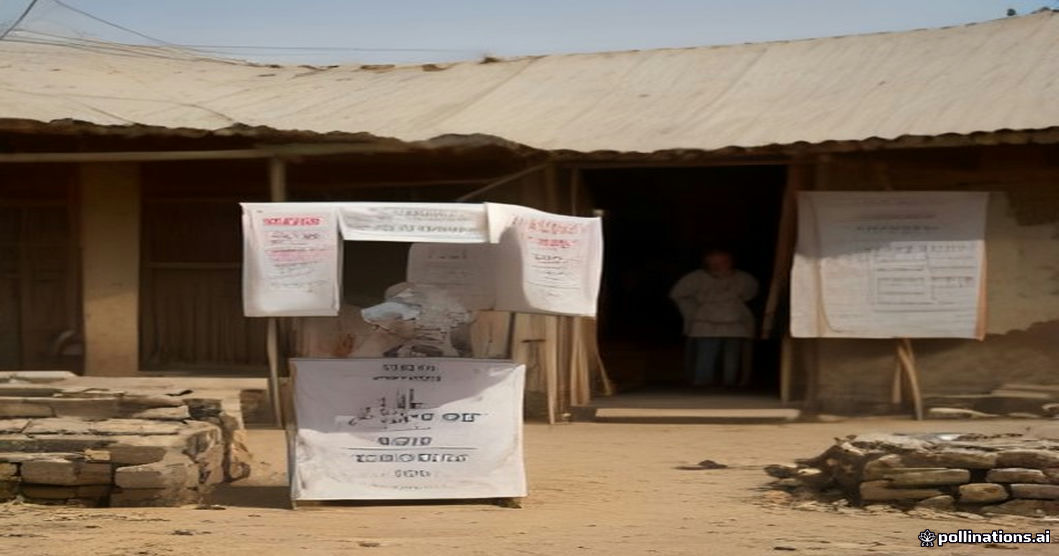
voter list verification booth voter list verification booth


How SSR Works and Its Implications

Step‑by‑Step Process

  1. Data Mining: Algorithms scan the existing electoral roll for anomalies—duplicate names, age mismatches, and missing biometric data.
  2. Flagging: Suspect entries are flagged for manual verification.
  3. Field Verification: Trained officials visit households, verify identity, and update the database on the spot.
  4. Final Consolidation: Updated entries are merged into the master roll, while invalid entries are purged.

Potential Benefits

  • Reduced duplicate voting: Cleaner data minimizes the risk of multiple votes by a single individual.
  • Higher voter confidence: Transparent verification can rebuild trust among skeptical voters.
  • Improved election logistics: Accurate rolls help the EC allocate resources—EVMs, polling staff, and security—more efficiently.

Risks and Criticisms

  • Time crunch: A 90‑day window may lead to rushed verification, increasing the chance of errors.
  • Political interference: Opposition parties fear that local officials, who may be aligned with ruling parties, could manipulate the verification outcome.
  • Legal challenges: Several petitions have already sought a stay on SSR, arguing that it violates the Representation of the People Act.

Public Reaction and Ground Realities

Voter Sentiment

  • Urban voters: Generally supportive, citing the need for a modernized roll.
  • Rural voters: Express concerns over bureaucratic hurdles, especially in remote villages where officials may not reach on time.
  • Youth: Active on social media, many are demanding a digital‑first approach, urging the EC to integrate Aadhaar‑based verification fully.

Media Coverage

  • AajTak highlighted the “political brawl” surrounding the SSR, noting that the EC’s move could become a litmus test for its independence.
  • Dainik Bhaskar ran a five‑point explainer on why SSR matters for the average voter.
  • Jagran focused on the practical steps citizens can take to verify their entries—online checks via the NVSP portal.

Editorial Analysis & Future Outlook

The SSR rollout is more than a bureaucratic exercise; it is a political barometer for India’s democratic health. By choosing to proceed amidst a heated SIR controversy, the Election Commission signals its commitment to data integrity, yet it also walks a tightrope of perceived partisanship.

Long‑Term Implications

  1. Electoral Credibility: If executed transparently, SSR could set a new benchmark for voter‑list accuracy, strengthening the legitimacy of future elections.
  2. Legal Precedent: Court rulings on SSR challenges will shape the legal framework governing electoral roll revisions, possibly mandating stricter timelines and oversight.
  3. Technology Adoption: Successful integration of biometric verification may accelerate the EC’s broader digital agenda—e‑voting pilots, real‑time result transmission, and AI‑driven fraud detection.
  4. Political Strategy: Parties will recalibrate their ground campaigns, focusing on micro‑targeting verified voter segments rather than relying on outdated roll assumptions.

Expert Recommendations

  • Enhanced Transparency: Live dashboards showing verification progress per district could mitigate mistrust.
  • Independent Audits: Third‑party NGOs and academic institutions should be invited to audit the SSR process.
  • Extended Public Outreach: Mobile verification units in remote areas and multilingual awareness campaigns will ensure inclusivity.

In conclusion, the SSR initiative, while technically sound, will be judged on its execution and openness. As India approaches its next electoral cycle, the quality of the voter roll could very well become the decisive factor that determines not just who wins, but how democratic legitimacy is perceived by the world.


Original Reporting & Source: Google Trends (India)

Discussion (0)

Sign in to join the discussion.

No comments yet. Be the first to start the conversation!

| |

SIR विवाद के बीच SSR की एंट्री: चुनाव आयोग 17 राज्यों में वोटर लिस्ट अपडेट शुरू

By Umang Sisodia • 6 min read • 1 view

Key Takeaways

  • SSR (Special Summary Revision) will be launched in 17 states/UTs despite the heated political controversy around the SIR (Supplementary Electoral Roll).
  • The Election Commission’s move aims to address outdated entries, duplicate entries, and deceased voters, ensuring a cleaner voter list before the upcoming elections.
  • Major opposition parties accuse the EC of political bias, while the ruling coalition defends the decision as a technical necessity.
  • Experts warn that the rushed rollout could trigger legal challenges and affect voter confidence, shaping the electoral landscape of 2024‑2025.

What is SIR and Why It Matters?

The Supplementary Electoral Roll (SIR) is an annual update to India’s voter list that adds new eligible voters and removes ineligible ones. It is a cornerstone of the world’s largest democracy, ensuring that every citizen above 18 gets a chance to vote. In recent months, the SIR process has become a flashpoint because:

  • Data discrepancies: Several states reported massive mismatches—duplicate entries, missing addresses, and outdated phone numbers.
  • Political accusations: Opposition parties claim that the SIR data is being manipulated to favour certain candidates, especially in swing constituencies.
  • Legal petitions: Over 150 petitions were filed in various High Courts demanding a halt to the SIR update, alleging procedural violations.

The controversy peaked when the Election Commission (EC) announced that it would pause the SIR in 17 states, citing the need for a more thorough verification. This decision set the stage for the next phase—Special Summary Revision (SSR).


The Political Storm: Parties Clash Over SIR

Opposition’s Narrative

  • BJP‑led coalition: Accused the EC of succumbing to pressure from regional parties that want to freeze the voter list in their strongholds.
  • Congress and AAP: Held press conferences demanding a transparent audit of the SIR data, arguing that any manipulation could tilt the upcoming Lok Sabha elections.
  • Regional parties (e.g., SP, BSP, TDP): Highlighted state‑specific grievances, such as missing migrant workers from the voter list, which could disenfranchise large voter blocs.

Ruling Coalition’s Defense

  • EC spokesperson: Emphasised that the SIR pause is procedural, not political, and that the SSR will address the underlying data quality issues.
  • Prime Minister’s Office: Stated that a clean voter list is essential for a free and fair election, and that the SSR will be completed well before the next general election.

The back‑and‑forth has kept the topic trending on Google India, with the keyword "निर्वाचन आयोग" crossing the 1,000‑search threshold daily.


Election Commission’s Decision: SSR Rollout in 17 States

On 15 October 2026, the EC released an official order to commence Special Summary Revision (SSR) in the following 17 states and Union Territories:

  1. Uttar Pradesh
  2. Madhya Pradesh
  3. Bihar
  4. West Bengal
  5. Rajasthan
  6. Gujarat
  7. Maharashtra
  8. Karnataka
  9. Tamil Nadu
  10. Andhra Pradesh
  11. Kerala
  12. Odisha
  13. Punjab
  14. Haryana
  15. Chandigarh (UT)
  16. Delhi (UT)
  17. Jammu & Kashmir (UT)

What SSR Entails?

  • Targeted verification: Instead of a blanket update, SSR focuses on high‑risk entries flagged during the SIR.
  • Field verification teams: Over 10,000 EC officials will visit polling stations, cross‑checking documents like Aadhaar, ration cards, and death certificates.
  • Technology integration: Use of biometric kiosks and real‑time data syncing with the National Voter Service Portal (NVSP).

The EC assures that the SSR will be completed within 90 days, well before the next election schedule is announced.

voter list verification booth voter list verification booth


How SSR Works and Its Implications

Step‑by‑Step Process

  1. Data Mining: Algorithms scan the existing electoral roll for anomalies—duplicate names, age mismatches, and missing biometric data.
  2. Flagging: Suspect entries are flagged for manual verification.
  3. Field Verification: Trained officials visit households, verify identity, and update the database on the spot.
  4. Final Consolidation: Updated entries are merged into the master roll, while invalid entries are purged.

Potential Benefits

  • Reduced duplicate voting: Cleaner data minimizes the risk of multiple votes by a single individual.
  • Higher voter confidence: Transparent verification can rebuild trust among skeptical voters.
  • Improved election logistics: Accurate rolls help the EC allocate resources—EVMs, polling staff, and security—more efficiently.

Risks and Criticisms

  • Time crunch: A 90‑day window may lead to rushed verification, increasing the chance of errors.
  • Political interference: Opposition parties fear that local officials, who may be aligned with ruling parties, could manipulate the verification outcome.
  • Legal challenges: Several petitions have already sought a stay on SSR, arguing that it violates the Representation of the People Act.

Public Reaction and Ground Realities

Voter Sentiment

  • Urban voters: Generally supportive, citing the need for a modernized roll.
  • Rural voters: Express concerns over bureaucratic hurdles, especially in remote villages where officials may not reach on time.
  • Youth: Active on social media, many are demanding a digital‑first approach, urging the EC to integrate Aadhaar‑based verification fully.

Media Coverage

  • AajTak highlighted the “political brawl” surrounding the SSR, noting that the EC’s move could become a litmus test for its independence.
  • Dainik Bhaskar ran a five‑point explainer on why SSR matters for the average voter.
  • Jagran focused on the practical steps citizens can take to verify their entries—online checks via the NVSP portal.

Editorial Analysis & Future Outlook

The SSR rollout is more than a bureaucratic exercise; it is a political barometer for India’s democratic health. By choosing to proceed amidst a heated SIR controversy, the Election Commission signals its commitment to data integrity, yet it also walks a tightrope of perceived partisanship.

Long‑Term Implications

  1. Electoral Credibility: If executed transparently, SSR could set a new benchmark for voter‑list accuracy, strengthening the legitimacy of future elections.
  2. Legal Precedent: Court rulings on SSR challenges will shape the legal framework governing electoral roll revisions, possibly mandating stricter timelines and oversight.
  3. Technology Adoption: Successful integration of biometric verification may accelerate the EC’s broader digital agenda—e‑voting pilots, real‑time result transmission, and AI‑driven fraud detection.
  4. Political Strategy: Parties will recalibrate their ground campaigns, focusing on micro‑targeting verified voter segments rather than relying on outdated roll assumptions.

Expert Recommendations

  • Enhanced Transparency: Live dashboards showing verification progress per district could mitigate mistrust.
  • Independent Audits: Third‑party NGOs and academic institutions should be invited to audit the SSR process.
  • Extended Public Outreach: Mobile verification units in remote areas and multilingual awareness campaigns will ensure inclusivity.

In conclusion, the SSR initiative, while technically sound, will be judged on its execution and openness. As India approaches its next electoral cycle, the quality of the voter roll could very well become the decisive factor that determines not just who wins, but how democratic legitimacy is perceived by the world.


Original Reporting & Source: Google Trends (India)