Umang Sisodia • • 6 min read • 1 view

Why Ground Capture Remains India's War Priority: From Kargil to Dhaka and the Limits of Fighter Jets
Listen to Article
Select a voice and press play
Why Ground Capture Remains India's War Priority: From Kargil to Dhaka and the Limits of Fighter Jets

Key Takeaways

  • Territorial control on the ground has historically decided the outcome of India's major conflicts, from Kargil to the 1971 war.
  • Modern air power, including Rafale and prospective F‑16s, cannot replace the strategic value of holding land.
  • Operation Sindoor underscores a shift toward hybrid warfare, yet the underlying doctrine of ground dominance remains unchanged.
  • India's future security architecture must balance robust air capabilities with a revitalised infantry‑armour doctrine.

The Historical Anchor: Ground Capture in Indian Warfare

India’s military narrative is punctuated by a recurring theme – the decisive importance of ground control. The 1999 Kargil conflict demonstrated that even in a high‑altitude theatre, the ability to physically occupy enemy positions turned a tactical stalemate into a strategic victory. Decades earlier, the 1971 war that birthed Bangladesh (Dhaka) hinged on the Indian Army’s rapid advance across East Pakistan, sealing the surrender of over 90,000 Pakistani troops.

"A war is won on the ground; the air merely shapes the battlefield," – retired Lt. Gen. (Retd.) Rajesh Singh, former commander of the Indian Army’s Western Command.

These episodes forged a doctrinal belief: possession of terrain translates into political leverage, humanitarian stability, and long‑term security.

The Air‑Power Paradox: Modern Fighter Jets vs. Ground Realities

In recent years, India has invested heavily in cutting‑edge combat aircraft – the Rafale, the upcoming F‑16, and an indigenously upgraded Tejas fleet. Yet, despite these acquisitions, the "लड़ाकू विमान" (fighter aircraft) query has surged on Google Trends, reflecting public skepticism.

Analysts argue that while these platforms provide air superiority, they cannot single‑handedly secure territory. Air strikes can degrade enemy logistics and morale, but without boots on the ground, enemy forces can simply regroup, rebuild, or relocate.

Why the Rafale Still Falls Short

  • Limited numbers: India operates roughly 36 Rafales, insufficient for sustained air campaigns across multiple fronts.
  • Geopolitical constraints: Over‑flight permissions and regional airspace politics can restrict operational reach.
  • Cost of sortie: High operational costs limit the frequency of deep‑strike missions.

The F‑16 formula, advocated by several defense experts, promises a balanced mix of air‑to‑air and air‑to‑ground capabilities, but it will still be complementary rather than a replacement for ground forces.
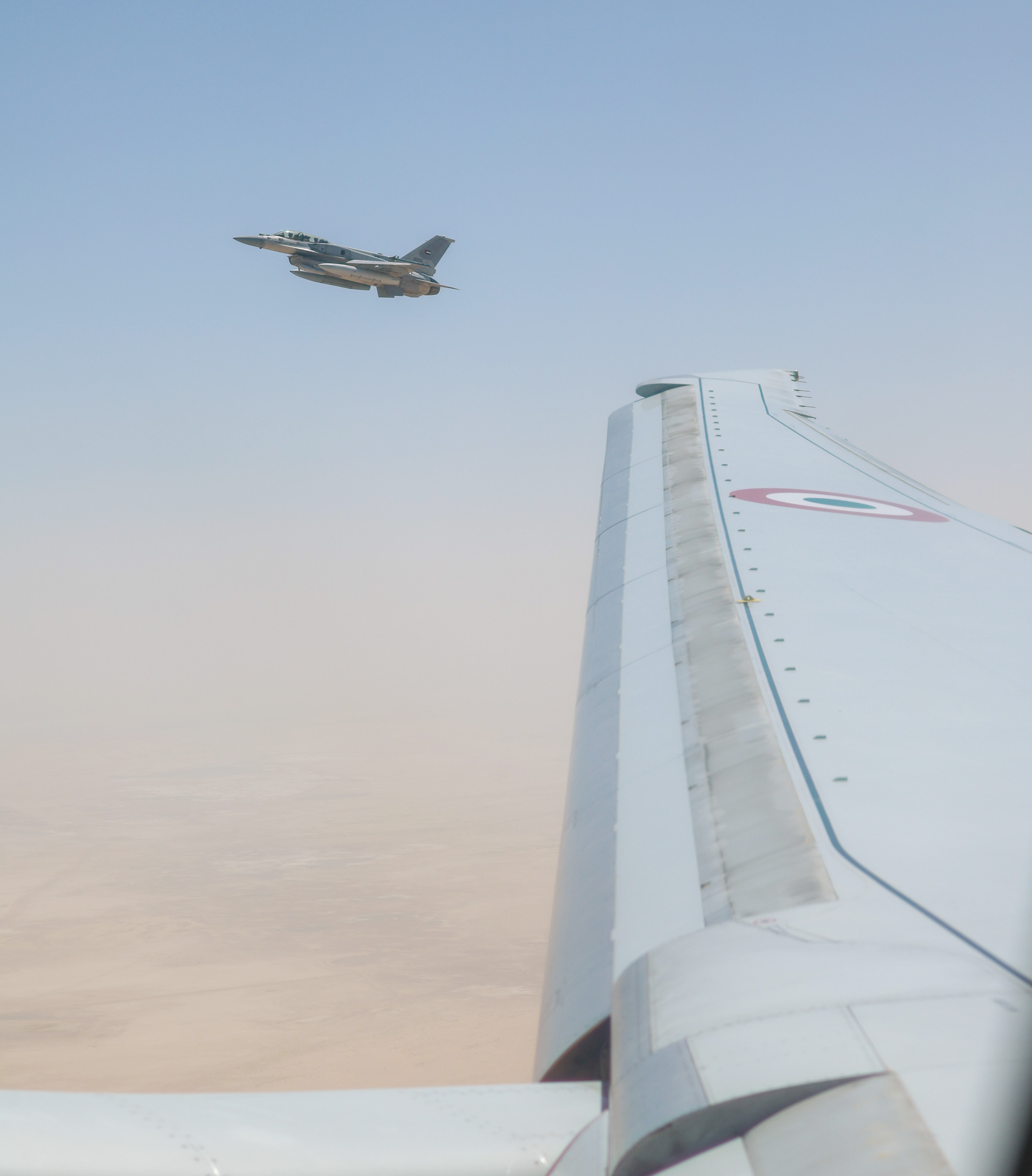
F-16 fighter jet Indian Air Force F-16 fighter jet Indian Air Force

Operation Sindoor: A New Narrative, Same Foundations

The Operation Sindoor (Red‑Saffron) campaign, launched in 2023, marked India’s first large‑scale narrative‑war effort. Leveraging social media, strategic messaging, and limited kinetic actions, the operation aimed to shape perceptions around the India‑Pakistan border skirmishes.

While hailed as a psychological victory, the operation’s limited physical footprint sparked debate among military scholars. The core argument remains: without tangible ground presence, narrative victories are fragile. The operation’s success in influencing public opinion did not translate into a permanent alteration of the disputed Line of Control (LoC).

Hybrid Warfare – The Dual Track Strategy

  • Information Operations: Deploying memes, viral videos, and diplomatic statements to win hearts and minds.
  • Limited Kinetic Strikes: Precision artillery and drone raids to signal resolve without full‑scale mobilisation.
  • Ground Posturing: Maintaining forward‑deployed infantry and artillery units to anchor any gains achieved through information dominance.

This dual‑track approach reflects a modernisation of the age‑old doctrine: air and information can amplify, but ground troops remain the anchor.

The Strategic Imperative: Revitalising Infantry & Armour

India’s recent ‘Make in India’ defence push includes plans for new infantry combat vehicles (ICVs), main battle tanks (MBTs), and artillery systems. The rationale is clear – to sustain ground dominance in future contingencies, whether in the Himalayas, the deserts of Rajasthan, or potential island scenarios in the Indian Ocean.

Key initiatives include:

  1. Indigenous Tank Development: The ‘Arjun Mk‑III’ program aims for a 70‑tonne MBT with advanced fire‑control.
  2. Network‑Centric Infantry: Integration of drone‑linked squads, wearable tech, and real‑time battlefield analytics.
  3. Joint Army‑Air Doctrine: Emphasising close air support (CAS) that directly assists ground manoeuvres, rather than operating in isolation.

Public Perception & Media Narrative

The surge in the "लड़ाकू विमान" search term mirrors a public yearning for quick, high‑tech solutions to border tensions. Media outlets, from ThePrint Hindi to Navbharat Times, have highlighted the perceived shortfall of fighter jets in delivering decisive outcomes.

However, expert commentary consistently reminds readers that air power is a force multiplier, not a substitute. The narrative that “buying more jets will end wars” is simplistic and ignores the complex interplay of logistics, terrain, and political will.

Geopolitical Ripple Effects

India’s approach to ground dominance influences its regional partnerships. Nations like Australia, Japan, and the U.S. are keen on joint training that emphasizes combined arms operations. Simultaneously, China’s emphasis on anti‑access/area‑denial (A2/AD) strategies pushes India to fortify its ground capabilities to counter potential blockades.

Conclusion: Ground Capture – The Immutable Core

From Kargil’s snowy ridges to the lush plains of Bangladesh, India’s decisive victories have hinged on holding terrain. While air power and information warfare have become indispensable tools, they augment rather than replace the fundamental need for boots on the ground. The future Indian defence posture will likely be a synergistic blend, where modern fighter jets provide air cover and precision strike, while ground forces secure and hold the gains.

Editorial Analysis & Future Outlook

The prevailing trend underscores a paradigm shift: India is moving from a reactive air‑centric procurement model to a holistic, joint‑force doctrine. The upcoming induction of F‑16s, coupled with an accelerated infantry modernisation programme, suggests a balanced force architecture.

In the long term, we can anticipate:

  • Increased joint exercises focusing on close air support and ground manoeuvre integration.
  • Policy reforms that allocate greater budget share to armoured and infantry capabilities, ensuring that ground capture remains viable.
  • Strategic communication units embedded within army divisions to synchronise narrative warfare with kinetic actions, echoing lessons from Operation Sindoor.

If India succeeds in marrying high‑tech air platforms with a revitalised ground force, it will not only solidify its territorial integrity but also project a credible deterrent across the Indo‑Pacific. The narrative that “air power alone can win wars” will fade, replaced by a nuanced understanding that ground capture remains the cornerstone of decisive victory.


Original Reporting & Source: Google Trends (India)

Discussion (0)

Sign in to join the discussion.

No comments yet. Be the first to start the conversation!

| |

Why Ground Capture Remains India's War Priority: From Kargil to Dhaka and the Limits of Fighter Jets

By Umang Sisodia • 6 min read • 1 view

Key Takeaways

  • Territorial control on the ground has historically decided the outcome of India's major conflicts, from Kargil to the 1971 war.
  • Modern air power, including Rafale and prospective F‑16s, cannot replace the strategic value of holding land.
  • Operation Sindoor underscores a shift toward hybrid warfare, yet the underlying doctrine of ground dominance remains unchanged.
  • India's future security architecture must balance robust air capabilities with a revitalised infantry‑armour doctrine.

The Historical Anchor: Ground Capture in Indian Warfare

India’s military narrative is punctuated by a recurring theme – the decisive importance of ground control. The 1999 Kargil conflict demonstrated that even in a high‑altitude theatre, the ability to physically occupy enemy positions turned a tactical stalemate into a strategic victory. Decades earlier, the 1971 war that birthed Bangladesh (Dhaka) hinged on the Indian Army’s rapid advance across East Pakistan, sealing the surrender of over 90,000 Pakistani troops.

"A war is won on the ground; the air merely shapes the battlefield," – retired Lt. Gen. (Retd.) Rajesh Singh, former commander of the Indian Army’s Western Command.

These episodes forged a doctrinal belief: possession of terrain translates into political leverage, humanitarian stability, and long‑term security.

The Air‑Power Paradox: Modern Fighter Jets vs. Ground Realities

In recent years, India has invested heavily in cutting‑edge combat aircraft – the Rafale, the upcoming F‑16, and an indigenously upgraded Tejas fleet. Yet, despite these acquisitions, the "लड़ाकू विमान" (fighter aircraft) query has surged on Google Trends, reflecting public skepticism.

Analysts argue that while these platforms provide air superiority, they cannot single‑handedly secure territory. Air strikes can degrade enemy logistics and morale, but without boots on the ground, enemy forces can simply regroup, rebuild, or relocate.

Why the Rafale Still Falls Short

  • Limited numbers: India operates roughly 36 Rafales, insufficient for sustained air campaigns across multiple fronts.
  • Geopolitical constraints: Over‑flight permissions and regional airspace politics can restrict operational reach.
  • Cost of sortie: High operational costs limit the frequency of deep‑strike missions.

The F‑16 formula, advocated by several defense experts, promises a balanced mix of air‑to‑air and air‑to‑ground capabilities, but it will still be complementary rather than a replacement for ground forces.

F-16 fighter jet Indian Air Force F-16 fighter jet Indian Air Force

Operation Sindoor: A New Narrative, Same Foundations

The Operation Sindoor (Red‑Saffron) campaign, launched in 2023, marked India’s first large‑scale narrative‑war effort. Leveraging social media, strategic messaging, and limited kinetic actions, the operation aimed to shape perceptions around the India‑Pakistan border skirmishes.

While hailed as a psychological victory, the operation’s limited physical footprint sparked debate among military scholars. The core argument remains: without tangible ground presence, narrative victories are fragile. The operation’s success in influencing public opinion did not translate into a permanent alteration of the disputed Line of Control (LoC).

Hybrid Warfare – The Dual Track Strategy

  • Information Operations: Deploying memes, viral videos, and diplomatic statements to win hearts and minds.
  • Limited Kinetic Strikes: Precision artillery and drone raids to signal resolve without full‑scale mobilisation.
  • Ground Posturing: Maintaining forward‑deployed infantry and artillery units to anchor any gains achieved through information dominance.

This dual‑track approach reflects a modernisation of the age‑old doctrine: air and information can amplify, but ground troops remain the anchor.

The Strategic Imperative: Revitalising Infantry & Armour

India’s recent ‘Make in India’ defence push includes plans for new infantry combat vehicles (ICVs), main battle tanks (MBTs), and artillery systems. The rationale is clear – to sustain ground dominance in future contingencies, whether in the Himalayas, the deserts of Rajasthan, or potential island scenarios in the Indian Ocean.

Key initiatives include:

  1. Indigenous Tank Development: The ‘Arjun Mk‑III’ program aims for a 70‑tonne MBT with advanced fire‑control.
  2. Network‑Centric Infantry: Integration of drone‑linked squads, wearable tech, and real‑time battlefield analytics.
  3. Joint Army‑Air Doctrine: Emphasising close air support (CAS) that directly assists ground manoeuvres, rather than operating in isolation.

Public Perception & Media Narrative

The surge in the "लड़ाकू विमान" search term mirrors a public yearning for quick, high‑tech solutions to border tensions. Media outlets, from ThePrint Hindi to Navbharat Times, have highlighted the perceived shortfall of fighter jets in delivering decisive outcomes.

However, expert commentary consistently reminds readers that air power is a force multiplier, not a substitute. The narrative that “buying more jets will end wars” is simplistic and ignores the complex interplay of logistics, terrain, and political will.

Geopolitical Ripple Effects

India’s approach to ground dominance influences its regional partnerships. Nations like Australia, Japan, and the U.S. are keen on joint training that emphasizes combined arms operations. Simultaneously, China’s emphasis on anti‑access/area‑denial (A2/AD) strategies pushes India to fortify its ground capabilities to counter potential blockades.

Conclusion: Ground Capture – The Immutable Core

From Kargil’s snowy ridges to the lush plains of Bangladesh, India’s decisive victories have hinged on holding terrain. While air power and information warfare have become indispensable tools, they augment rather than replace the fundamental need for boots on the ground. The future Indian defence posture will likely be a synergistic blend, where modern fighter jets provide air cover and precision strike, while ground forces secure and hold the gains.

Editorial Analysis & Future Outlook

The prevailing trend underscores a paradigm shift: India is moving from a reactive air‑centric procurement model to a holistic, joint‑force doctrine. The upcoming induction of F‑16s, coupled with an accelerated infantry modernisation programme, suggests a balanced force architecture.

In the long term, we can anticipate:

  • Increased joint exercises focusing on close air support and ground manoeuvre integration.
  • Policy reforms that allocate greater budget share to armoured and infantry capabilities, ensuring that ground capture remains viable.
  • Strategic communication units embedded within army divisions to synchronise narrative warfare with kinetic actions, echoing lessons from Operation Sindoor.

If India succeeds in marrying high‑tech air platforms with a revitalised ground force, it will not only solidify its territorial integrity but also project a credible deterrent across the Indo‑Pacific. The narrative that “air power alone can win wars” will fade, replaced by a nuanced understanding that ground capture remains the cornerstone of decisive victory.


Original Reporting & Source: Google Trends (India)