Umang Sisodia • • 4 min read • 1 view
Microplastics Are Chemically Alive: New Science Reveals Hidden Threats
Key Takeaways
- Microplastics exhibit intrinsic chemical activity at water interfaces, challenging the notion that they are inert pollutants.
- Recent studies link this activity to potential biological harm, including evidence of microplastics in human blood.
- Researchers across Columbia University, Ohio University, and global labs are racing to decode the health implications.
- Policy makers are urged to tighten plastic waste regulations as scientific consensus sharpens.
The Rise of Microplastic Awareness
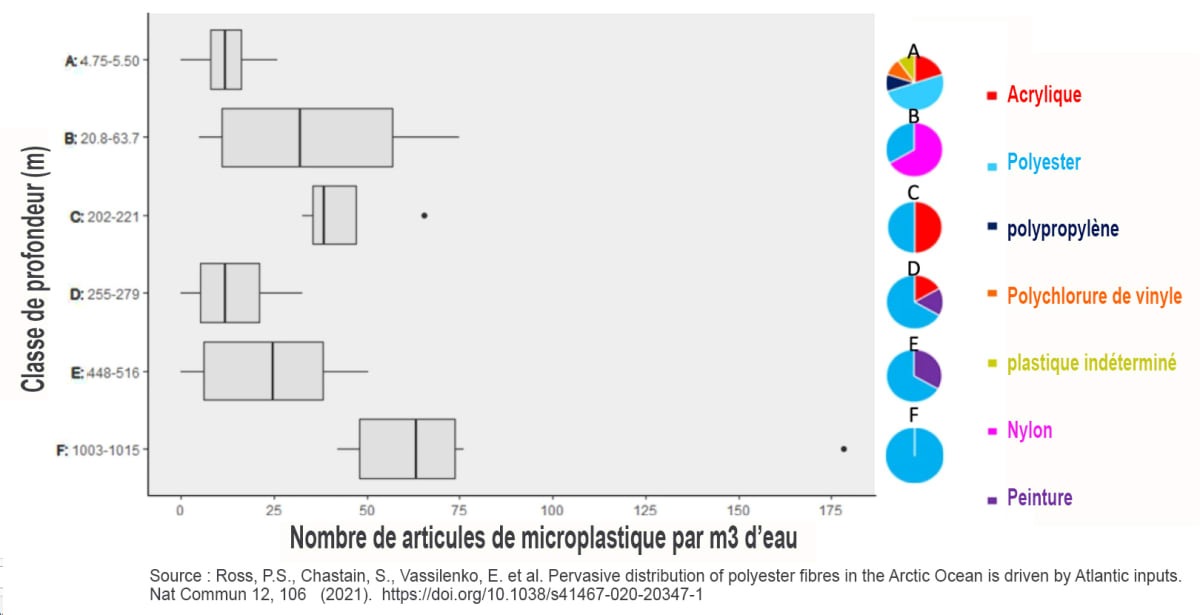
In the past decade, microplastics—tiny fragments less than 5 mm—have moved from obscure laboratory curiosities to headline‑making environmental villains. From ocean gyres to Arctic snow, these particles have been detected everywhere, prompting a surge of public interest and Google searches.
What Are Microplastics?
Microplastics originate from two primary sources:
- Primary microplastics: Manufactured at microscopic sizes for cosmetics, industrial abrasives, and resin pellets.
- Secondary microplastics: Result from the breakdown of larger plastic debris under UV radiation, mechanical abrasion, and chemical weathering.
While their physical presence is well‑documented, the prevailing scientific assumption has been that they are chemically inert carriers of pollutants. That narrative is now being upended.
New Findings: Chemical Activity
A groundbreaking paper in Nature titled “Intrinsic physicochemical activity at microplastic–water interfaces” demonstrates that microplastics are chemically alive—they actively catalyze reactions at their surfaces when immersed in water. The study used advanced spectroscopy and molecular dynamics simulations to reveal:
- Surface oxidation that generates reactive oxygen species (ROS).
- Adsorption of environmental contaminants that are then released in a controlled manner.
- Catalytic degradation of nearby organic molecules, potentially altering local biochemistry.
"Microplastics are not passive sponges; they are dynamic reactors that can influence the chemistry of the ecosystems they inhabit," — lead author, Dr. Maya Patel, Columbia University.
Why the Buzz on Google Trends?
The combination of alarming headlines—Microplastics Found in Human Blood—and the novelty of chemically active plastics has ignited a wave of searches. Media outlets such as Gizmodo, WOUB Public Media, and the Plastic Pollution Coalition have amplified the story, driving traffic spikes and public discourse.
Scientific Evidence and Health Implications
Human Exposure
Recent investigative work by Ohio University’s Dr. Ethan Liu has identified microplastic particles in blood samples from volunteers across three continents. Using Raman spectroscopy, the team confirmed that the particles retain surface reactivity, meaning they could interact directly with cellular components.
Potential Biological Harm
The reactive oxygen species generated at microplastic interfaces can:
- Induce oxidative stress in cells, a precursor to inflammation and DNA damage.
- Disrupt membrane integrity, facilitating the entry of attached pollutants like bisphenol‑A (BPA) and phthalates.
- Alter gut microbiota when ingested, with downstream effects on immunity.
While causality is still under investigation, animal studies have shown that chronic exposure to chemically active microplastics leads to liver inflammation and altered hormone levels.
Global Policy Responses
Governments are beginning to respond:
- European Union: Proposed amendment to the Single‑Use Plastics Directive, expanding monitoring to include microplastic chemical activity.
- United States: The EPA is funding a multi‑agency task force to develop standardized testing protocols for microplastic reactivity.
- India: The Ministry of Environment announced a pilot program for microplastic filtration in major river basins.
These policy moves reflect a shift from focusing solely on macro‑plastic waste to addressing the nuanced chemical threats posed by micro‑scale particles.
 microplastic contamination in human blood sample
The Road Ahead for Research
Scientists are now exploring:
- Advanced filtration technologies that can capture reactive microplastics before they enter drinking water supplies.
- Biodegradable polymer alternatives engineered to lack catalytic surface sites.
- Longitudinal epidemiological studies tracking health outcomes in populations with high microplastic exposure.
Collaboration across disciplines—chemistry, toxicology, epidemiology, and policy—will be crucial to translate laboratory insights into public health safeguards.
Editorial Analysis & Future Outlook
The revelation that microplastics are chemically active marks a paradigm shift in environmental toxicology. No longer can we treat these particles as inert carriers; they are agents capable of altering biochemical pathways in both ecosystems and human bodies.
Long‑term Impact:
- Public Health: If the ROS‑mediated mechanisms are confirmed in humans, we may see a new class of pollution‑related diseases, prompting revisions to exposure guidelines.
- Regulatory Landscape: Expect stricter standards for plastic production, including mandatory testing for surface reactivity before market approval.
- Innovation Drive: The plastics industry will likely accelerate research into truly inert or self‑degrading materials, spurred by both consumer pressure and legislative mandates.
In the coming years, the narrative around plastic pollution will evolve from a visual waste problem to a complex chemical crisis. Media coverage, scientific rigor, and proactive policy will need to converge to mitigate what could become a silent, yet pervasive, threat to planetary health.
Original Reporting & Source: Gizmodo

Discussion (0)
Sign in to join the discussion.
No comments yet. Be the first to start the conversation!