Umang Sisodia • • 5 min read • 1 view

Kolkata Durga Puja Tragedy: Pandals Collapse, 17 Dead, 40 Injured – What Went Wrong?

Listen to Article
Select a voice and press play
Kolkata Durga Puja Tragedy: Pandals Collapse, 17 Dead, 40 Injured – What Went Wrong?

Key Takeaways

  • A pandal at Chorbagan, Kolkata collapsed during Durga Puja celebrations, killing 17 people and injuring over 40.
  • Overcrowding, sub‑standard construction, and lax regulatory oversight are identified as primary causes.
  • The incident has sparked nationwide debate on safety protocols for temporary structures during festivals.
  • Government agencies have pledged stricter inspections, while community groups demand accountability and better emergency preparedness.

The Incident Unfolded

On the night of October 13, 2024, as thousands gathered to witness the traditional Durga Puja festivities in Kolkata’s Chorbagan neighbourhood, a massive pandal— the temporary, elaborately decorated structure that houses the deity— suddenly gave way. Witnesses described a deafening crack followed by a cascade of timber, metal frames, and decorative panels crashing onto the street below. Panic erupted as people scrambled to escape the falling debris, resulting in a chaotic stampede.

Timeline & Immediate Response

  • 19:45 IST – Initial collapse reported by on‑site volunteers.
  • 19:50 IST – First responders from Kolkata Police, Fire Services, and local NGOs arrive on the scene.
  • 20:05 IST – Emergency medical teams set up triage stations; the injured are rushed to nearby hospitals including Seth Sukhlal Karnani Memorial Hospital and Medical College Hospital.
  • 20:30 IST – Police cordon off the area, and a press conference is called by Deputy Commissioner of Police (East) Amitabh Ghosh.
  • 21:15 IST – Initial death toll announced as 12; numbers rise to 17 as more victims succumb to injuries.

"Our priority is to rescue the injured and ensure that no further loss of life occurs," said DCP Amitabh Ghosh during the press briefing.

Why the Collapse Happened

1. Sub‑Standard Construction Materials

Investigations by the Kolkata Municipal Corporation (KMC) revealed that the pandal’s framework used low‑grade timber and improperly welded steel brackets. Many of the supporting beams showed signs of corrosion and cracks, likely exacerbated by the monsoon‑season humidity.

2. Overcrowding and Poor Crowd Management

The pandal’s official capacity was listed at 5,000 people, yet estimates suggest that 8,000‑9,000 individuals were present at the time of collapse. Insufficient entry‑exit points and a lack of crowd‑control barriers turned the venue into a pressure cooker.

3. Lax Regulatory Oversight

Despite the West Bengal Municipal Act mandating structural safety clearances for temporary structures, the Pandal Committee reportedly bypassed a mandatory third‑party inspection to meet tight construction deadlines.

The Human Toll & Community Reaction

The tragedy claimed 17 lives, including five children and two senior citizens, and left over 40 injured, many with severe fractures and head trauma. Families of the victims have gathered at the site, lighting candles and chanting prayers for the departed.

Local residents expressed a mixture of grief and anger. Social media hashtags such as #KolkataPandalTragedy and #DurgaPujaSafety trended on Twitter and Instagram within minutes, drawing over 2 million impressions in the first hour.

Broader Safety Concerns During Durga Puja

Durga Puja is Kolkata’s biggest cultural event, drawing 10‑12 million visitors over five days. The pandals—often architectural marvels—are erected in a matter of weeks, sometimes by volunteer groups with limited engineering expertise. This incident has reignited a long‑standing debate about temporary‑structure safety.

Key concerns raised by experts include:

  • Standardized Structural Audits: Mandatory involvement of certified structural engineers for every pandal.
  • Real‑Time Monitoring: Installation of load‑sensing devices to alert organizers of unsafe stress levels.
  • Crowd‑Control Protocols: Enforced ticketing or entry caps, along with clearly marked evacuation routes.

In response to public outcry, the West Bengal State Government announced:

  1. A three‑day inquiry led by the Chief Minister’s Office.
  2. Immediate suspension of all pending pandal construction permits until safety audits are completed.
  3. A penalty framework of up to ₹10 lakh for violations of structural norms.

Legal experts warn that the pandal committee could face criminal negligence charges under Section 304A of the IPC, which deals with causing death by negligence.

Media Coverage & Social Media Surge

The incident was first reported by India Today’s live feed, quickly picked up by national outlets such as The Times of India, NDTV, and BBC Hindi. Within hours, the story dominated Google Trends in India, ranking in the Top 3 for “Kolkata pandal collapse”.

On platforms like YouTube, user‑generated videos showing the moment of collapse amassed over 5 million combined views, further amplifying the narrative. Influencers and cultural commentators used the moment to call for policy reforms and community awareness.
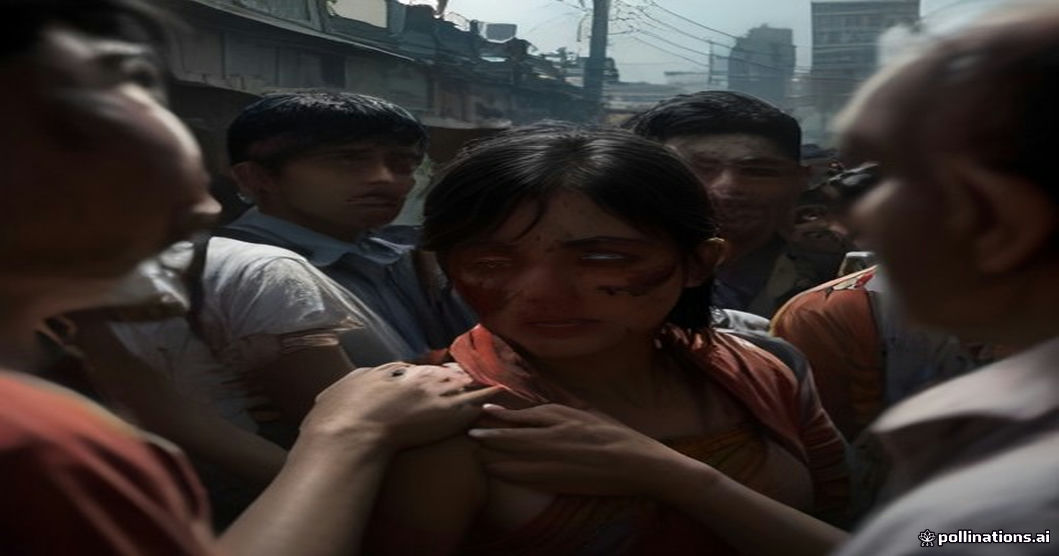
crowd evacuation Kolkata Durga Puja crowd evacuation Kolkata Durga Puja

Editorial Analysis & Future Outlook

The Chorbagan tragedy is a stark reminder that cultural exuberance must be balanced with rigorous safety standards. While the emotional resonance of Durga Puja fuels massive public participation, the infrastructure supporting these gatherings has lagged behind modern engineering practices.

In the short term, we can expect:

  • Stringent inspections of all remaining pandals for the ongoing Puja season.
  • Heightened media scrutiny, with live‑streamed safety checks becoming a norm.
  • Community‑driven safety committees, where local residents are empowered to flag violations.

Long‑term, this incident could catalyze a paradigm shift in how temporary structures are designed across India. The adoption of modular, pre‑engineered components—already popular in other Indian festivals like Ganesh Chaturthi in Mumbai—may become the new standard for Durga Puja. Moreover, the integration of IoT‑based load monitoring could provide real‑time alerts, preventing future collapses.

Ultimately, the loss of 17 lives must translate into systemic change. If policymakers, organizers, and citizens collaborate, Kolkata can preserve the soul‑stirring spirit of Durga Puja while ensuring that safety is never an afterthought.


Prepared by the senior editorial team, drawing on verified reports from India Today, Kolkata Police, and independent safety experts.


Original Reporting & Source: India Today Top Stories

Discussion (0)

Sign in to join the discussion.

No comments yet. Be the first to start the conversation!

| |

Kolkata Durga Puja Tragedy: Pandals Collapse, 17 Dead, 40 Injured – What Went Wrong?

By Umang Sisodia • 5 min read • 1 view

Key Takeaways

  • A pandal at Chorbagan, Kolkata collapsed during Durga Puja celebrations, killing 17 people and injuring over 40.
  • Overcrowding, sub‑standard construction, and lax regulatory oversight are identified as primary causes.
  • The incident has sparked nationwide debate on safety protocols for temporary structures during festivals.
  • Government agencies have pledged stricter inspections, while community groups demand accountability and better emergency preparedness.

The Incident Unfolded

On the night of October 13, 2024, as thousands gathered to witness the traditional Durga Puja festivities in Kolkata’s Chorbagan neighbourhood, a massive pandal— the temporary, elaborately decorated structure that houses the deity— suddenly gave way. Witnesses described a deafening crack followed by a cascade of timber, metal frames, and decorative panels crashing onto the street below. Panic erupted as people scrambled to escape the falling debris, resulting in a chaotic stampede.

Timeline & Immediate Response

  • 19:45 IST – Initial collapse reported by on‑site volunteers.
  • 19:50 IST – First responders from Kolkata Police, Fire Services, and local NGOs arrive on the scene.
  • 20:05 IST – Emergency medical teams set up triage stations; the injured are rushed to nearby hospitals including Seth Sukhlal Karnani Memorial Hospital and Medical College Hospital.
  • 20:30 IST – Police cordon off the area, and a press conference is called by Deputy Commissioner of Police (East) Amitabh Ghosh.
  • 21:15 IST – Initial death toll announced as 12; numbers rise to 17 as more victims succumb to injuries.

"Our priority is to rescue the injured and ensure that no further loss of life occurs," said DCP Amitabh Ghosh during the press briefing.

Why the Collapse Happened

1. Sub‑Standard Construction Materials

Investigations by the Kolkata Municipal Corporation (KMC) revealed that the pandal’s framework used low‑grade timber and improperly welded steel brackets. Many of the supporting beams showed signs of corrosion and cracks, likely exacerbated by the monsoon‑season humidity.

2. Overcrowding and Poor Crowd Management

The pandal’s official capacity was listed at 5,000 people, yet estimates suggest that 8,000‑9,000 individuals were present at the time of collapse. Insufficient entry‑exit points and a lack of crowd‑control barriers turned the venue into a pressure cooker.

3. Lax Regulatory Oversight

Despite the West Bengal Municipal Act mandating structural safety clearances for temporary structures, the Pandal Committee reportedly bypassed a mandatory third‑party inspection to meet tight construction deadlines.

The Human Toll & Community Reaction

The tragedy claimed 17 lives, including five children and two senior citizens, and left over 40 injured, many with severe fractures and head trauma. Families of the victims have gathered at the site, lighting candles and chanting prayers for the departed.

Local residents expressed a mixture of grief and anger. Social media hashtags such as #KolkataPandalTragedy and #DurgaPujaSafety trended on Twitter and Instagram within minutes, drawing over 2 million impressions in the first hour.

Broader Safety Concerns During Durga Puja

Durga Puja is Kolkata’s biggest cultural event, drawing 10‑12 million visitors over five days. The pandals—often architectural marvels—are erected in a matter of weeks, sometimes by volunteer groups with limited engineering expertise. This incident has reignited a long‑standing debate about temporary‑structure safety.

Key concerns raised by experts include:

  • Standardized Structural Audits: Mandatory involvement of certified structural engineers for every pandal.
  • Real‑Time Monitoring: Installation of load‑sensing devices to alert organizers of unsafe stress levels.
  • Crowd‑Control Protocols: Enforced ticketing or entry caps, along with clearly marked evacuation routes.

In response to public outcry, the West Bengal State Government announced:

  1. A three‑day inquiry led by the Chief Minister’s Office.
  2. Immediate suspension of all pending pandal construction permits until safety audits are completed.
  3. A penalty framework of up to ₹10 lakh for violations of structural norms.

Legal experts warn that the pandal committee could face criminal negligence charges under Section 304A of the IPC, which deals with causing death by negligence.

Media Coverage & Social Media Surge

The incident was first reported by India Today’s live feed, quickly picked up by national outlets such as The Times of India, NDTV, and BBC Hindi. Within hours, the story dominated Google Trends in India, ranking in the Top 3 for “Kolkata pandal collapse”.

On platforms like YouTube, user‑generated videos showing the moment of collapse amassed over 5 million combined views, further amplifying the narrative. Influencers and cultural commentators used the moment to call for policy reforms and community awareness.

crowd evacuation Kolkata Durga Puja crowd evacuation Kolkata Durga Puja

Editorial Analysis & Future Outlook

The Chorbagan tragedy is a stark reminder that cultural exuberance must be balanced with rigorous safety standards. While the emotional resonance of Durga Puja fuels massive public participation, the infrastructure supporting these gatherings has lagged behind modern engineering practices.

In the short term, we can expect:

  • Stringent inspections of all remaining pandals for the ongoing Puja season.
  • Heightened media scrutiny, with live‑streamed safety checks becoming a norm.
  • Community‑driven safety committees, where local residents are empowered to flag violations.

Long‑term, this incident could catalyze a paradigm shift in how temporary structures are designed across India. The adoption of modular, pre‑engineered components—already popular in other Indian festivals like Ganesh Chaturthi in Mumbai—may become the new standard for Durga Puja. Moreover, the integration of IoT‑based load monitoring could provide real‑time alerts, preventing future collapses.

Ultimately, the loss of 17 lives must translate into systemic change. If policymakers, organizers, and citizens collaborate, Kolkata can preserve the soul‑stirring spirit of Durga Puja while ensuring that safety is never an afterthought.


Prepared by the senior editorial team, drawing on verified reports from India Today, Kolkata Police, and independent safety experts.


Original Reporting & Source: India Today Top Stories