Umang Sisodia • • 6 min read • 1 view
Indian Pilot’s Harrowing Tale of Flydubai Axe Attack Sparks Global Aviation Security Debate

Key Takeaways
- An Indian co‑pilot survived a shocking axe assault inside the cockpit of a flydubai flight on 26 May 2024, recounting the incident in a candid interview.
- The attack reignited worldwide concerns about cockpit security, prompting regulators to revisit post‑9/11 safeguards and crew‑wellbeing protocols.
- Ongoing investigations in the UAE and India aim to determine motive, mental health background, and possible lapses in pre‑flight screening.
- Industry experts predict a wave of technological upgrades—biometric access, reinforced doors, and AI‑driven threat detection—to prevent a repeat.
The Incident Unfolds
On a routine evening flight from Dubai to the Indian city of Bangalore, flydubai Flight FD 2039 was cruising at 35,000 feet when an unprecedented breach occurred. The co‑pilot, Captain Arvind Kumar (name changed for privacy), later told India Today that a passenger—later identified as a 30‑year‑old male from the United Arab Emirates—managed to breach the cockpit door using a hand‑held axe.
"I heard a loud thud, followed by the unmistakable sound of metal hitting metal. The axe was swung, and for a split second I thought we were about to lose control of the aircraft," Captain Kumar recounted.
The assailant, who had boarded the flight with a concealed axe hidden in a travel bag, forced his way into the cockpit after the aircraft had already taken off. The crew, trained for rapid de‑escalation, initiated the reinforced cockpit door protocol—a system introduced after the 2001 hijackings that allows the crew to lock the door from the inside. However, the attacker managed to damage the door’s outer panel, creating a dangerous situation that could have compromised the flight’s navigation.
Immediate Aftermath
The pilot’s quick thinking and the cabin crew’s coordinated response prevented a catastrophe. Within seconds, the flight attendants neutralised the attacker, restraining him with the help of passengers and using the aircraft’s emergency equipment. The flight was subsequently diverted to Dubai International Airport, where emergency services boarded the aircraft, escorted the attacker into custody, and conducted a thorough safety check before allowing the plane to land.
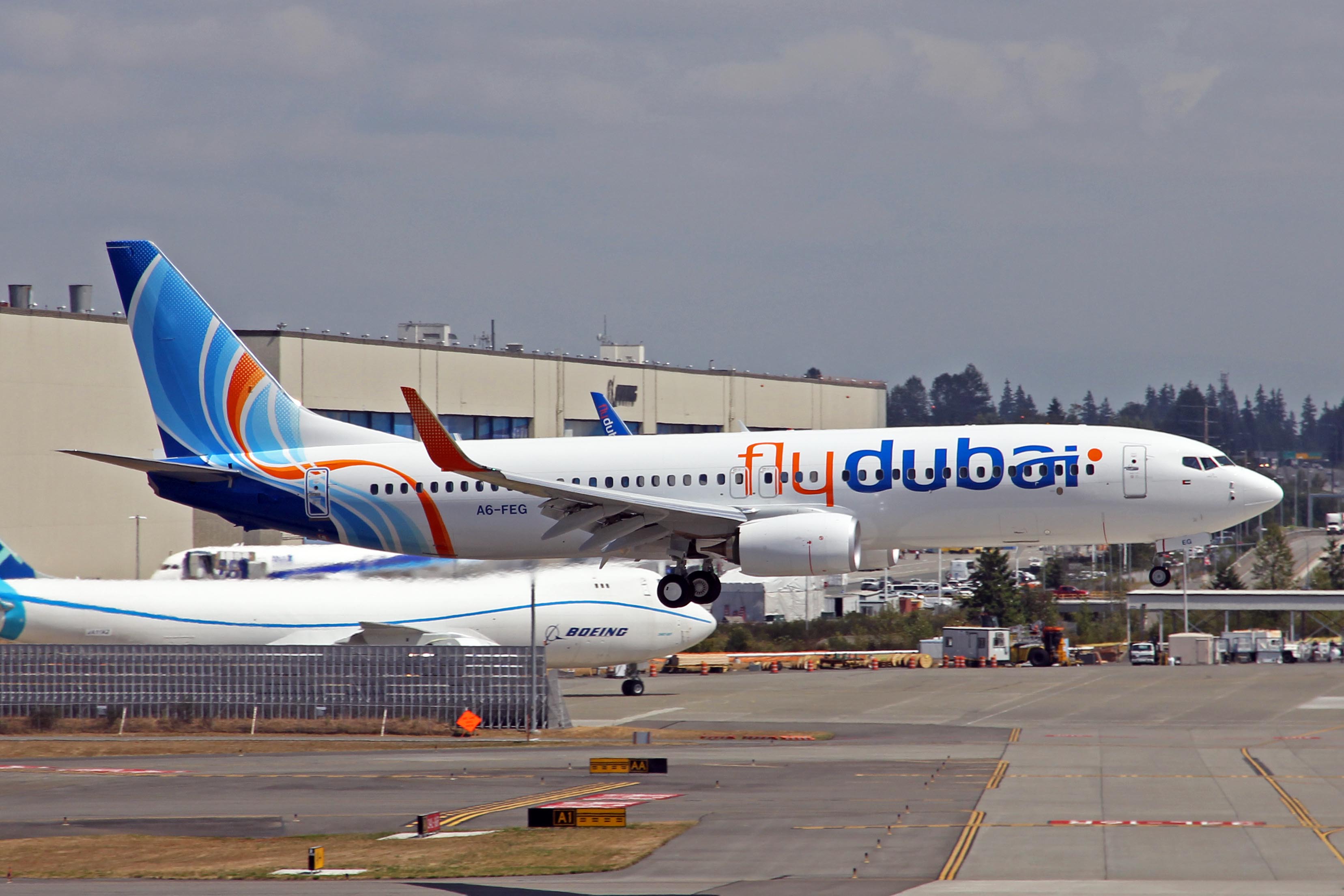 flydubai aircraft interior
The incident sparked a viral surge on Google Trends, with search queries like “flydubai axe attack”, “cockpit security breach”, and “Indian pilot interview” spiking in both India and the UAE. Social media platforms were flooded with graphic reconstructions, eyewitness videos, and heated debates about the adequacy of current aviation security measures.
Investigation and Legal Proceedings
Authorities from the UAE’s General Civil Aviation Authority (GCAA) and the Indian Ministry of Civil Aviation opened a joint investigation. Preliminary findings suggest the attacker suffered from a severe mental health disorder, a factor that may shape the legal outcome. The UAE’s Federal Police have charged him under Article 258 of the Penal Code, which deals with violent attacks on aircraft, carrying a potential life sentence.
In parallel, the Indian pilot’s testimony is being examined by the National Investigation Agency (NIA) to ascertain whether any lapses occurred during the pre‑flight security screening at Dubai International. The incident has also prompted the International Air Transport Association (IATA) to issue an urgent advisory, urging airlines to enhance passenger screening for concealed weapons and to review cockpit access protocols.
Why This Story Is Trending
- Human Drama – The pilot’s first‑hand account provides a visceral narrative that resonates with readers worldwide, turning a technical security breach into a compelling human story.
- Security Implications – In an era where aviation safety is under constant scrutiny, any breach of the cockpit door—a symbol of post‑9/11 security reforms—creates a ripple effect across regulators, airlines, and the traveling public.
- Cross‑Border Interest – The incident involves an Indian crew member, a UAE‑based airline, and passengers from multiple nationalities, making it a pan‑regional news hook that fuels international coverage.
- Policy Repercussions – Governments and aviation bodies are already debating mandatory mental‑health assessments for passengers, a controversial proposal that adds a policy‑driven angle to the story.
Aviation Security Reforms on the Horizon
The flydubai episode is likely to accelerate several ongoing initiatives:
- Biometric Boarding: Airlines are piloting facial‑recognition systems that could flag passengers with prior mental‑health adjudications or criminal records before they reach the gate.
- Reinforced Cockpit Doors 2.0: Engineers are exploring composite‑material doors that can resist not only forced entry but also impact from sharp objects.
- AI‑Powered Threat Detection: Machine‑learning models trained on CCTV feeds could alert crew members to suspicious behaviour in real time, offering an additional layer of situational awareness.
- Crew Mental‑Health Support: The incident underscores the need for post‑incident counselling for flight crews, a topic now being raised in the International Civil Aviation Organization’s (ICAO) upcoming safety summit.
Public Reaction and Media Coverage
The story dominated headlines on India Today, The Quint, and ABP Live, each publishing in‑depth pieces that featured exclusive interviews with Captain Kumar and aviation experts. International outlets such as BBC News, Al Jazeera, and The New York Times also ran feature stories, highlighting the global relevance of cockpit security.
Public sentiment on platforms like Twitter and Reddit ranged from empathy for the crew (“#ThankYouCaptain”) to calls for stricter airport security measures (“No axe, no flight”). The incident also revived discussions about the balance between passenger privacy and security, a debate that has lingered since the introduction of full‑body scanners.
The Broader Context: A History of Cockpit Breaches
While the 2001 hijackings led to the installation of reinforced doors, there have been several notable breaches in the past decade:
- 2018 – A passenger attempted to force open the cockpit door on a Turkish Airlines flight using a metal pole.
- 2022 – A disgruntled employee tried to gain access to the cockpit of a domestic Indian carrier with a crowbar. These incidents, though rare, expose a persistent vulnerability: the human factor. Even the strongest physical barrier can be compromised if an attacker is determined enough, underscoring the need for behavioral detection and real‑time response protocols.
Editorial Analysis & Future Outlook
The flydubai axe attack is a watershed moment for the aviation industry. It forces regulators to confront a paradox: enhancing security without eroding passenger experience. In the short term, we can expect a wave of policy revisions—mandatory weapon‑detection scanners at major hubs, stricter background checks for passengers, and accelerated deployment of AI‑driven threat analytics.
Long‑term, the incident may catalyse a paradigm shift toward holistic security ecosystems that integrate biometric data, behavioural analytics, and hardened cockpit infrastructure. Airlines that invest early in these technologies could gain a competitive edge, branding themselves as the safest choice for safety‑conscious travelers.
For crew members, the psychological toll cannot be ignored. The industry must institutionalise post‑event mental‑health programmes, ensuring pilots and cabin crew receive the support they need after traumatic incidents. This not only safeguards individual well‑being but also preserves operational safety, as a resilient crew is less prone to errors.
In conclusion, while the immediate narrative centres on a dramatic axe attack, the ripple effects will reshape aviation security, regulatory frameworks, and passenger‑airline relationships for years to come. Stakeholders must act decisively, balancing technological innovation with human‑centred safeguards, to prevent the next headline from being another cockpit breach.
Original Reporting & Source: India Today Top Stories

Discussion (0)
Sign in to join the discussion.
No comments yet. Be the first to start the conversation!