Umang Sisodia • • 6 min read • 1 view
Renault Duster Hybrid vs Maruti Grand Vitara, Toyota Hyryder & Victoris: 2026 India SUV Showdown

Key Takeaways
- Renault’s entry‑level Duster Hybrid, priced at ₹16.99 lakh, is reshaping the sub‑compact SUV segment with a cost‑effective plug‑in hybrid system.
- Maruti’s Grand Vitara, Toyota’s Hyryder and the upcoming Victoris are all betting on strong hybrid tech, but each follows a distinct power‑train strategy.
- Hybrid sales in India could hit 50 % of total SUV volumes within 2‑3 years, driven by tightening emission norms and rising fuel prices.
- The battle isn’t just about mileage; it’s about brand perception, after‑sales network readiness, and how quickly manufacturers can scale hybrid components locally.
The Hybrid Wave in India: Why 2026 Is a Turning Point
India’s automotive landscape is at a crossroads. The government’s push for BS‑VI norms, the upcoming Phase‑II emission standards, and a looming fuel‑price volatility have accelerated consumer interest in hybrid vehicles. While fully electric cars still grapple with charging‑infrastructure gaps, hybrids offer a pragmatic middle ground: electric‑assisted efficiency without range‑anxiety.
Renault’s decision to launch the Duster Strong Hybrid at a sub‑₹17 lakh price point is a clear signal that the company sees mass‑market hybrid adoption as imminent. The Duster, a long‑standing bestseller in the Indian market, now carries a 1.3‑litre turbo‑charged engine paired with a 30 kW electric motor, delivering a combined output of 140 hp and a claimed 23 km/L (combined) mileage.
Power‑train Landscape Across the Contenders
| Model | Hybrid Type | Engine | Electric Motor | Combined Power | Price (approx.) |
|---|---|---|---|---|---|
| Renault Duster Strong Hybrid | Strong Hybrid (mild‑hybrid + electric assist) | 1.3 L Turbo | 30 kW | 140 hp | ₹16.99 L |
| Maruti Grand Vitara Hybrid | Strong Hybrid (mild‑hybrid) | 1.5 L K15 | 15 kW | 115 hp | ₹14.5‑15.5 L |
| Toyota Hyryder Hybrid | Full Hybrid (Toyota Hybrid System) | 1.5 L Dual‑VVT | 45 kW | 150 hp | ₹15.9‑16.9 L |
| Maruti Victoris Hybrid | Strong Hybrid (planned) | 1.5 L | 20 kW | 120 hp | TBD (rumoured ~₹15 L) |
Renault’s Duster stands out for its affordability and robust SUV DNA that Indian buyers love. Maruti, the market leader, is leveraging its mass‑service network to push the Grand Vitara hybrid, while Toyota relies on its proven Hybrid Synergy Drive to deliver superior fuel economy and a smoother driving experience. The Victoris, still under wraps, is expected to fill the niche between the Grand Vitara and Hyryder with a focus on CNG‑Hybrid flexibility.
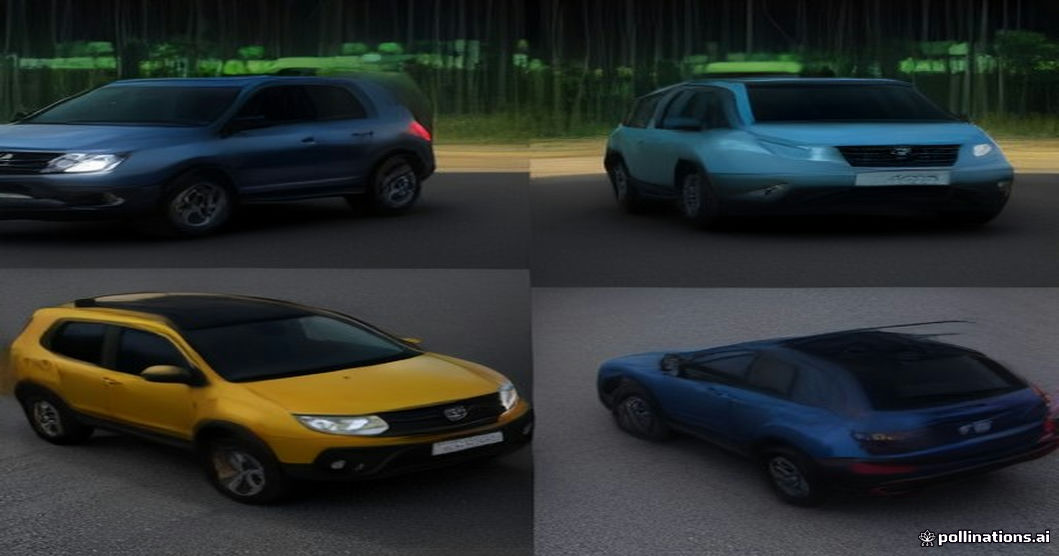 Maruti Grand Vitara hybrid display
Market Reception and Early Sales Signals
Within the first two weeks of launch, Renault reported over 3,000 bookings for the Duster Hybrid across major metros. Industry analysts at Team‑BHP estimate that hybrids could contribute up to 50 % of total SUV sales by 2029, provided manufacturers localise battery packs and reduce import duties.
Renault India CEO Deblaise told BusinessLine that “wider power‑train options are key for our roadmap in India.” He highlighted three strategic pillars:
- Localisation of Hybrid Modules – Targeting 80 % local content by 2028.
- Pricing Discipline – Keeping hybrids within the ₹15‑18 lakh bracket to stay competitive with conventional petrol‑diesel models.
- After‑Sales Ecosystem – Training 5,000 service technicians on hybrid diagnostics within the next 12 months.
Maruti’s Grand Vitara hybrid, launched a month earlier, has already crossed 5,000 units sold, buoyed by the brand’s ubiquitous dealer network and aggressive finance offers. Toyota’s Hyryder, although priced slightly higher, enjoys a premium perception and a long‑standing hybrid pedigree, which resonates with environmentally conscious urban buyers.
Consumer Sentiment: What Drives the Choice?
- Price Sensitivity – The Duster’s sub‑₹17 lakh price makes it the most accessible hybrid SUV.
- Brand Trust – Maruti’s reputation for low‑maintenance vehicles sways first‑time hybrid buyers.
- Technology Credibility – Toyota’s hybrid system is often viewed as the gold standard for reliability.
- Feature Pack – All four models offer touchscreen infotainment, connected car services, and driver‑assist aids, but the Duster’s large boot space and ground clearance remain its unique selling points.
Strategic Implications for the Indian Auto Industry
The hybrid surge is reshaping OEM strategies on three fronts:
- Supply‑Chain Realignment – Battery pack manufacturers like Exide and Amara Raja are scaling up capacities, while local sourcing of electric motors is becoming a priority.
- Regulatory Alignment – The Ministry of Road Transport & Highways is likely to introduce incentives for hybrid vehicle production, mirroring the subsidies offered to EVs.
- Competitive Differentiation – Companies that can bundle CNG‑Hybrid options (as hinted by Renault’s CEO) will capture a niche segment in Tier‑2 and Tier‑3 cities where CNG infrastructure is expanding.
Risks and Challenges
- Battery Cost Volatility – Global lithium price fluctuations could erode the thin pricing margins of entry‑level hybrids.
- Consumer Awareness – Many Indian buyers still conflate hybrids with full EVs, leading to misconceptions about maintenance costs.
- Infrastructure Gaps – While hybrids don’t need charging stations, the availability of qualified service bays for hybrid diagnostics remains uneven across the country.
Editorial Analysis & Future Outlook
The Duster Hybrid’s aggressive pricing and Renault’s clear roadmap signal a democratization of hybrid technology in India. If the projected 50 % hybrid share materialises, we can anticipate several long‑term shifts:
- Accelerated Phase‑Out of Diesel – Manufacturers will likely retire diesel‑only engines in the sub‑compact SUV segment by the early 2030s.
- Hybrid‑Centric Platforms – OEMs may develop modular platforms that can host pure‑electric, hybrid, and conventional power‑trains, reducing R&D spend.
- Policy Evolution – Expect the government to introduce tax rebates for hybrid purchases, similar to EV incentives, to meet its climate targets.
- Consumer Behaviour – As fuel prices stay volatile, the cost‑of‑ownership calculus will increasingly favour hybrids, especially in city commuting scenarios.
In conclusion, the Renault Duster vs Grand Vitara vs Hyryder vs Victoris face‑off is more than a headline; it’s a bellwether for how quickly India can transition to a low‑emission mobility ecosystem. The winner will be the brand that marries affordability, reliable hybrid tech, and robust after‑sales support—a trifecta that Renault appears to be chasing with its Duster Strong Hybrid.
Stay tuned for our upcoming deep‑dive on the CNG‑Hybrid possibilities that could redefine the Indian SUV market in the next five years.
Original Reporting & Source: Autopunditz

Discussion (0)
Sign in to join the discussion.
No comments yet. Be the first to start the conversation!