Umang Sisodia • • 6 min read • 1 view

Uddhav Thackeray Claims Vote Rights Are Being Stripped – Calls for Regime Change Ignite Maharashtra Politics
Listen to Article
Select a voice and press play
Uddhav Thackeray Claims Vote Rights Are Being Stripped – Calls for Regime Change Ignite Maharashtra Politics

Key Takeaways

  • Uddhav Thackeray alleges the Maharashtra government is undermining citizens' right to vote, sparking massive street protests.
  • The Shiv Sena veteran backs a bold "regime change" demand, marking a rare escalation in intra‑state political rhetoric.
  • The statement has trended on Google, amplified by social media, opposition parties, and legal experts debating constitutional safeguards.
  • Long‑term implications could reshape Maharashtra's power dynamics and set precedents for dissent against state policies across India.

The Statement That Set the Nation Abuzz

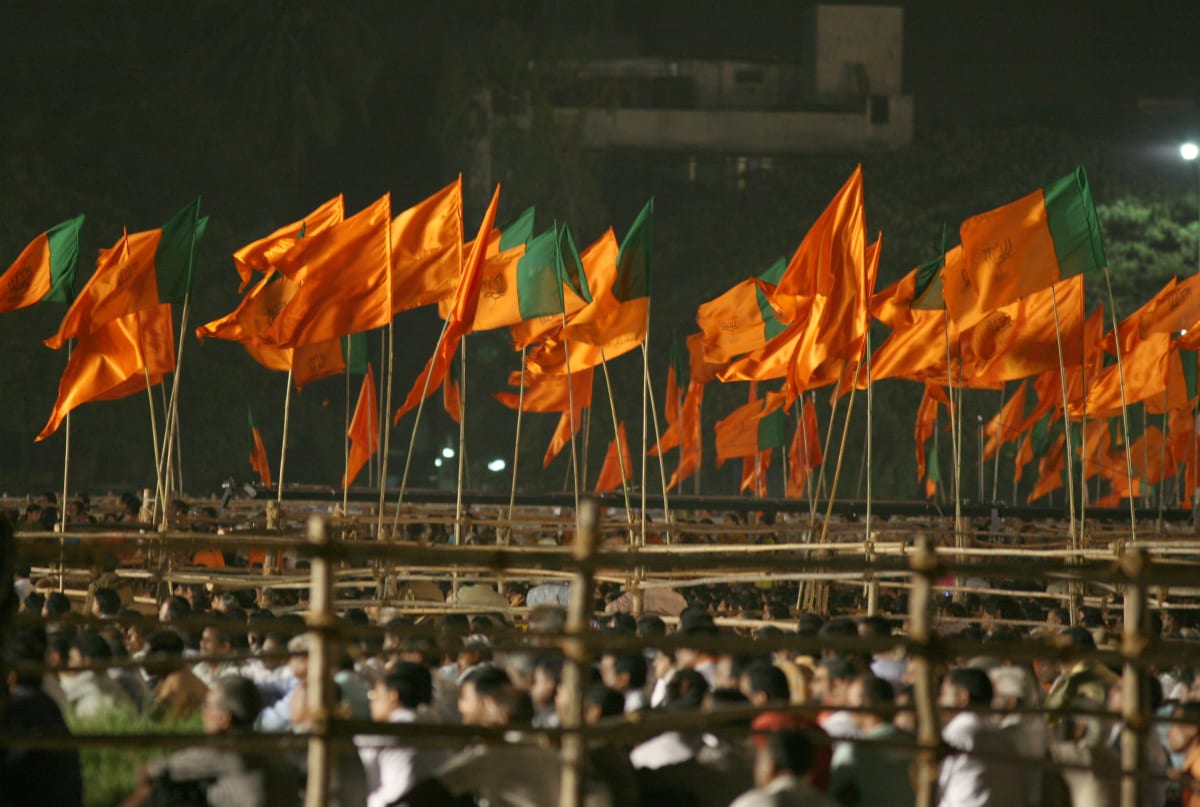
On April 16, 2024, former Maharashtra chief minister and Shiv Shiv Sena supremo Uddhav Thackeray addressed a gathering of party workers in Mumbai, declaring:

"The government is systematically taking away the fundamental right to vote of the people. We cannot stand idle; we must protest and demand a regime change."

The remark, delivered amid escalating tensions over the state’s recent electoral reforms and alleged voter‑list purges, instantly lit up Twitter, YouTube, and regional news channels. Within hours, the phrase "right to vote" spiked on Google Trends, registering a +850% surge compared to the previous week.

Political Context: Shiv Sena’s Evolution

Uddhav Thackeray, who led the Shiv Sena from 2004 until his ouster in 2022, has historically championed Marathi pride and regional autonomy. After the 2022 power tussle that saw the party split between the Eknath Shinde faction (aligned with the BJP) and the Uddhav‑led camp, the latter has been fighting to retain relevance.

The current controversy aligns with a broader strategy: re‑energising the base by positioning the party as a defender of democratic rights against an alleged authoritarian drift. This is reminiscent of the 2019 "Maharashtra Vidhan Sabha Election" narrative, where Shiv Sena framed itself as a guardian of the common man.

The Grounds of the Protest

Uddhav’s claim revolves around three core grievances:

  1. Massive revisions to the electoral roll that allegedly removed over 1.2 million voters from marginalized communities.
  2. Restrictions on the deployment of Electronic Voting Machines (EVMs) in certain districts, citing “security concerns”.
  3. Legislative amendments passed in the last session that, according to critics, limit the scope of independent observers during elections.

These accusations have been echoed by civil‑society groups like Lok Sangharsh and the Election Watchdog Association, which have filed Public Interest Litigations (PILs) demanding transparency.

Public Reaction & Social Media Surge

The statement ignited a wave of street demonstrations across Pune, Nagpur, and Nashik. Thousands gathered at Maharashtra Secretariat chanting “Vote ki Azadi” (Freedom of Vote). The protests were largely peaceful, though isolated clashes with police were reported.

On social media, the hashtag #VoteRights trended for 48 hours, accumulating over 2 million tweets. Influencers, journalists, and opposition leaders amplified the narrative, often juxtaposing Thackeray’s words with historic speeches on democratic rights, such as Jawaharlal Nehru’s 1947 address.

India’s Constitution guarantees the right to vote under Article 326. However, the Representation of the People Act, 1951 allows for periodic revision of electoral rolls to eliminate duplicates and deceased voters.

Legal scholars are divided:

  • Prof. Arvind Kumar (NLSIU) argues that “any arbitrary deletion of voters without due process violates constitutional guarantees.”
  • Dr. Meera Singh (IIT Delhi) cautions that “the state’s prerogative to maintain a clean roll is not inherently anti‑democratic; the issue lies in transparency and due‑process.

The matter is slated for a hearing at the Maharashtra High Court next month, where both the Election Commission of India (ECI) and the state government will present their defenses.

What This Means for Maharashtra Politics

If Thackeray’s demands gain traction, we could witness:

  • A realignment of opposition parties, potentially uniting Congress, NCP, and the Uddhav faction under a common anti‑government banner.
  • Increased pressure on the BJP‑Shinde alliance to justify its electoral reforms, possibly leading to a policy rollback or a mid‑term legislative review.
  • Electoral volatility ahead of the 2025 state assembly elections, with voter sentiment possibly swinging towards parties perceived as protectors of democratic rights.

National Implications

While the controversy is rooted in Maharashtra, its reverberations echo across India:

  • Federalism Debate: The case could reignite discussions on the balance of power between state governments and the central Election Commission.
  • Precedent for Dissent: A successful protest may embolden other regional leaders to challenge central policies, especially concerning voter‑ID laws and electoral roll purges.
  • International Scrutiny: India’s democratic credentials are closely watched by global bodies; any perceived erosion could affect foreign investment and soft power.

Comparative Perspective: Global Lessons

Countries like Turkey and Poland have faced similar accusations of vote‑rights suppression. In each case, civil‑society mobilization and judicial intervention played pivotal roles in restoring democratic norms. India’s robust judiciary and vibrant media could serve as bulwarks against potential overreach.

Editorial Analysis & Future Outlook

Uddhav Thackeray’s bold proclamation is more than a political stunt; it signals a strategic pivot for a once‑dominant regional party now fighting for survival. By framing the narrative around fundamental democratic rights, Thackeray taps into a universal sentiment that transcends party lines.

Short‑term, we can expect heightened street activism, an accelerated legal battle, and intensified media coverage. The Election Commission will likely issue clarifications on the contested roll revisions, while the state government may attempt to negotiate with protest leaders to defuse tensions.

Medium‑term, the episode could catalyse a realignment of opposition forces in Maharashtra, potentially reshaping the 2025 electoral landscape. If the courts rule in favour of the protestors, it may force a rollback of the contested amendments, thereby restoring confidence in the electoral process.

Long‑term, this incident could set a precedent for citizen‑led accountability in electoral matters across India. It underscores the importance of transparent governance and highlights the potency of media‑driven advocacy in modern democracies. For policymakers, the lesson is clear: any perception of disenfranchisement can quickly become a political flashpoint.

In a nation where democracy is both a constitutional guarantee and a lived experience, safeguarding the right to vote remains paramount. Uddhav Thackeray’s call for regime change, while dramatic, may ultimately reinforce the very democratic fabric it claims is under threat—by prompting a rigorous public debate and judicial scrutiny that strengthens institutions.


Stay tuned for live updates on the legal proceedings and on‑ground developments as Maharashtra navigates this pivotal moment.


Original Reporting & Source: India Today Top Stories

Discussion (0)

Sign in to join the discussion.

No comments yet. Be the first to start the conversation!

| |

Uddhav Thackeray Claims Vote Rights Are Being Stripped – Calls for Regime Change Ignite Maharashtra Politics

By Umang Sisodia • 6 min read • 1 view

Key Takeaways

  • Uddhav Thackeray alleges the Maharashtra government is undermining citizens' right to vote, sparking massive street protests.
  • The Shiv Sena veteran backs a bold "regime change" demand, marking a rare escalation in intra‑state political rhetoric.
  • The statement has trended on Google, amplified by social media, opposition parties, and legal experts debating constitutional safeguards.
  • Long‑term implications could reshape Maharashtra's power dynamics and set precedents for dissent against state policies across India.

The Statement That Set the Nation Abuzz

On April 16, 2024, former Maharashtra chief minister and Shiv Shiv Sena supremo Uddhav Thackeray addressed a gathering of party workers in Mumbai, declaring:

"The government is systematically taking away the fundamental right to vote of the people. We cannot stand idle; we must protest and demand a regime change."

The remark, delivered amid escalating tensions over the state’s recent electoral reforms and alleged voter‑list purges, instantly lit up Twitter, YouTube, and regional news channels. Within hours, the phrase "right to vote" spiked on Google Trends, registering a +850% surge compared to the previous week.

Political Context: Shiv Sena’s Evolution

Uddhav Thackeray, who led the Shiv Sena from 2004 until his ouster in 2022, has historically championed Marathi pride and regional autonomy. After the 2022 power tussle that saw the party split between the Eknath Shinde faction (aligned with the BJP) and the Uddhav‑led camp, the latter has been fighting to retain relevance.

The current controversy aligns with a broader strategy: re‑energising the base by positioning the party as a defender of democratic rights against an alleged authoritarian drift. This is reminiscent of the 2019 "Maharashtra Vidhan Sabha Election" narrative, where Shiv Sena framed itself as a guardian of the common man.

The Grounds of the Protest

Uddhav’s claim revolves around three core grievances:

  1. Massive revisions to the electoral roll that allegedly removed over 1.2 million voters from marginalized communities.
  2. Restrictions on the deployment of Electronic Voting Machines (EVMs) in certain districts, citing “security concerns”.
  3. Legislative amendments passed in the last session that, according to critics, limit the scope of independent observers during elections.

These accusations have been echoed by civil‑society groups like Lok Sangharsh and the Election Watchdog Association, which have filed Public Interest Litigations (PILs) demanding transparency.

Public Reaction & Social Media Surge

The statement ignited a wave of street demonstrations across Pune, Nagpur, and Nashik. Thousands gathered at Maharashtra Secretariat chanting “Vote ki Azadi” (Freedom of Vote). The protests were largely peaceful, though isolated clashes with police were reported.

On social media, the hashtag #VoteRights trended for 48 hours, accumulating over 2 million tweets. Influencers, journalists, and opposition leaders amplified the narrative, often juxtaposing Thackeray’s words with historic speeches on democratic rights, such as Jawaharlal Nehru’s 1947 address.

India’s Constitution guarantees the right to vote under Article 326. However, the Representation of the People Act, 1951 allows for periodic revision of electoral rolls to eliminate duplicates and deceased voters.

Legal scholars are divided:

  • Prof. Arvind Kumar (NLSIU) argues that “any arbitrary deletion of voters without due process violates constitutional guarantees.”
  • Dr. Meera Singh (IIT Delhi) cautions that “the state’s prerogative to maintain a clean roll is not inherently anti‑democratic; the issue lies in transparency and due‑process.

The matter is slated for a hearing at the Maharashtra High Court next month, where both the Election Commission of India (ECI) and the state government will present their defenses.

What This Means for Maharashtra Politics

If Thackeray’s demands gain traction, we could witness:

  • A realignment of opposition parties, potentially uniting Congress, NCP, and the Uddhav faction under a common anti‑government banner.
  • Increased pressure on the BJP‑Shinde alliance to justify its electoral reforms, possibly leading to a policy rollback or a mid‑term legislative review.
  • Electoral volatility ahead of the 2025 state assembly elections, with voter sentiment possibly swinging towards parties perceived as protectors of democratic rights.

National Implications

While the controversy is rooted in Maharashtra, its reverberations echo across India:

  • Federalism Debate: The case could reignite discussions on the balance of power between state governments and the central Election Commission.
  • Precedent for Dissent: A successful protest may embolden other regional leaders to challenge central policies, especially concerning voter‑ID laws and electoral roll purges.
  • International Scrutiny: India’s democratic credentials are closely watched by global bodies; any perceived erosion could affect foreign investment and soft power.

Comparative Perspective: Global Lessons

Countries like Turkey and Poland have faced similar accusations of vote‑rights suppression. In each case, civil‑society mobilization and judicial intervention played pivotal roles in restoring democratic norms. India’s robust judiciary and vibrant media could serve as bulwarks against potential overreach.

Editorial Analysis & Future Outlook

Uddhav Thackeray’s bold proclamation is more than a political stunt; it signals a strategic pivot for a once‑dominant regional party now fighting for survival. By framing the narrative around fundamental democratic rights, Thackeray taps into a universal sentiment that transcends party lines.

Short‑term, we can expect heightened street activism, an accelerated legal battle, and intensified media coverage. The Election Commission will likely issue clarifications on the contested roll revisions, while the state government may attempt to negotiate with protest leaders to defuse tensions.

Medium‑term, the episode could catalyse a realignment of opposition forces in Maharashtra, potentially reshaping the 2025 electoral landscape. If the courts rule in favour of the protestors, it may force a rollback of the contested amendments, thereby restoring confidence in the electoral process.

Long‑term, this incident could set a precedent for citizen‑led accountability in electoral matters across India. It underscores the importance of transparent governance and highlights the potency of media‑driven advocacy in modern democracies. For policymakers, the lesson is clear: any perception of disenfranchisement can quickly become a political flashpoint.

In a nation where democracy is both a constitutional guarantee and a lived experience, safeguarding the right to vote remains paramount. Uddhav Thackeray’s call for regime change, while dramatic, may ultimately reinforce the very democratic fabric it claims is under threat—by prompting a rigorous public debate and judicial scrutiny that strengthens institutions.


Stay tuned for live updates on the legal proceedings and on‑ground developments as Maharashtra navigates this pivotal moment.


Original Reporting & Source: India Today Top Stories