Umang Sisodia • • 6 min read • 1 view
Historic French Town Hall Ablaze Amid Escalating Riots: What the Fire Reveals About France’s Unrest

Key Takeaways
- A 143‑year‑old town hall in the French town of Saint‑Jean‑de‑Maurienne was set alight during violent protests, symbolising a deeper societal fracture.
- The blaze is linked to nationwide unrest over pension reforms, policing tactics, and regional economic grievances.
- Authorities’ heavy‑handed response has intensified public anger, prompting debates on civil liberties and state authority.
- The incident could reshape France’s political landscape, influencing upcoming elections and future protest strategies.
The Incident Unfolds
On the night of April 22, 2024, a crowd of demonstrators clashed with police outside the historic town hall of Saint‑Jean‑de‑Maurienne, a building constructed in 1881 that has long served as the administrative heart of the Alpine commune. Video footage, first circulated on social media platforms and later picked up by India Today, shows a torrent of torches and Molotov‑style bottles hurled at the façade. Within minutes, the stone edifice was engulfed in orange‑red flames, while sirens wailed and police units formed a cordon.
The chaos was captured from multiple angles: a shaky handheld phone view of protesters chanting “Non à la réforme” (No to the reform), a drone shot that later became the iconic image of the blaze, and a close‑up of firefighters battling the inferno against a backdrop of tear‑gas clouds. The video quickly trended on Google, amassing millions of views and sparking heated discussions across Twitter, Reddit, and French news portals.
Historical Significance of the Town Hall
The Saint‑Jean‑de‑Maurienne town hall is more than a municipal building; it is a cultural landmark. Designed in the Second Empire style, its ornate clock tower and marble interiors have witnessed the town’s evolution from a mining hub to a tourism gateway for the Alps. Over the decades, the mairie hosted wartime resistance meetings, post‑war reconstruction debates, and, more recently, town council sessions on climate‑adaptation projects.
Its destruction is therefore symbolic. As local historian Claire Dupont notes, “When a community’s oldest civic structure burns, it is not just bricks and mortar that are lost, but a collective memory that anchors identity.” The fire has thus resonated far beyond the immediate vicinity, echoing across France’s regional towns that share similar historic architectures.
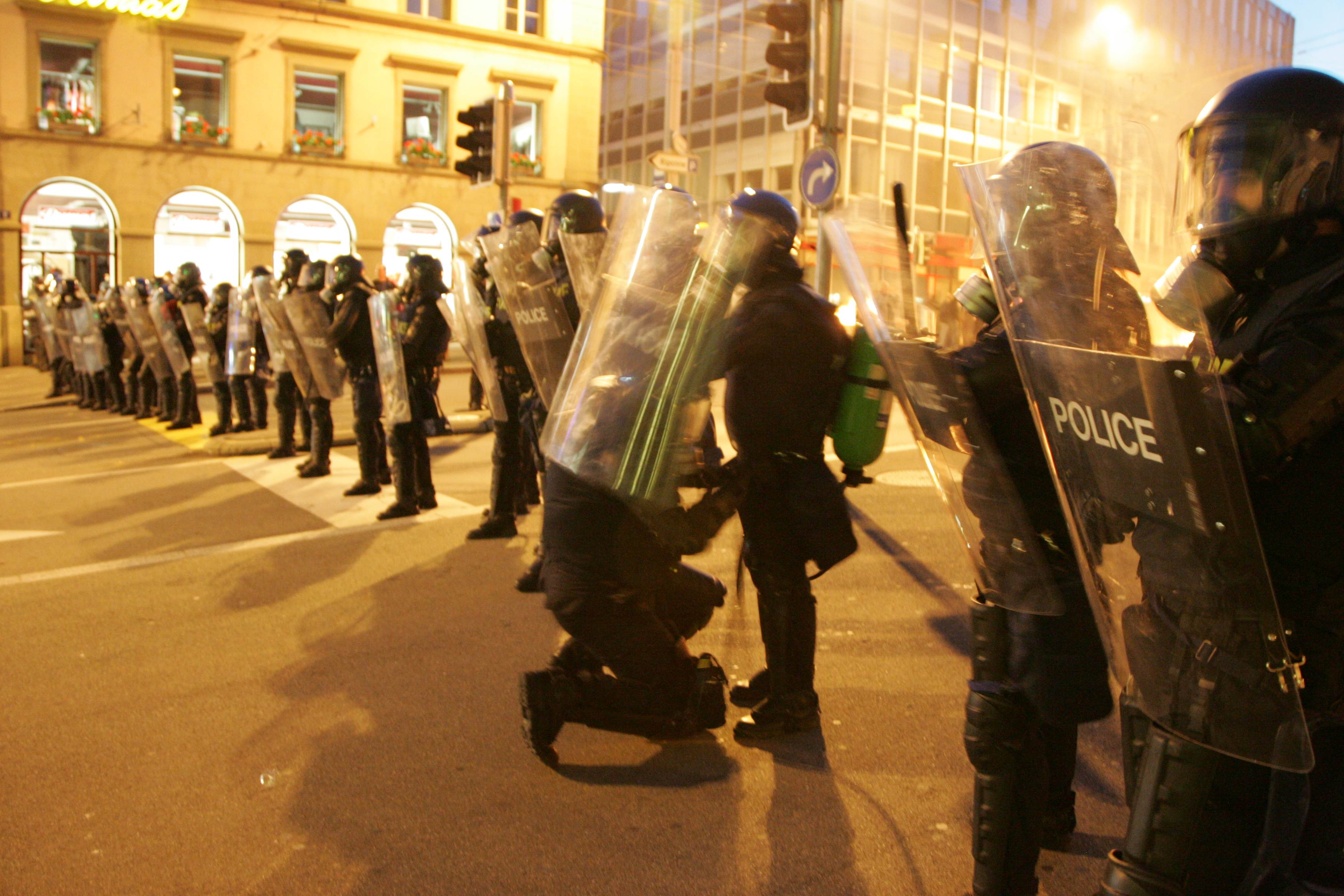 French police riot gear protest
The Spark: Why the Riots Ignited
The immediate trigger for the unrest was the government’s announcement of a new pension reform that would raise the retirement age from 62 to 64, a move that has already provoked nationwide strikes since early 2024. In Saint‑Jean‑de‑Maurienne, the reform hit a nerve because the town’s aging workforce—largely employed in tourism and seasonal agriculture—relies heavily on early retirement benefits.
Compounding the economic strain are long‑standing grievances:
- Perceived neglect by the central government, especially regarding infrastructure upgrades for the Alpine region.
- Police militarisation, with the deployment of CRS (Compagnies Républicaines de Sécurité) units that many locals view as an intimidation tactic.
- Cultural alienation, as younger residents feel disconnected from traditional political parties that seem out of touch with rural realities.
These factors created a volatile mix, turning a routine protest into a full‑blown riot that targeted the most visible symbol of state authority—the town hall.
On the Ground: Eyewitness Accounts & Video Footage
“We came to demand our rights, but the police blocked us with shields and batons. When they started firing tear‑gas, some of us threw what we could find—old newspapers, bottles—just to make a statement,” says Marcel Leroux, a 58‑year‑old shopkeeper captured on video shouting amidst the flames.
Another witness, Sophie Martin, a university student from Grenoble, recorded a harrowing clip of a firefighter scaling the burning façade, his silhouette illuminated by the inferno. “It was surreal—seeing the fire consume something so historic while we were shouting for our future,” she recounts.
The footage has been dissected by media analysts, who point out the lack of clear command among protestors, the rapid escalation once police used water cannons, and the viral nature of the video—its raw, unfiltered style resonating with a global audience hungry for authentic protest imagery.
Authorities’ Response and Legal Implications
In the aftermath, the Prefecture of Savoie announced a state of emergency for the region, deploying additional CRS units and ordering a curfew from 8 PM to 6 AM. The mayor, Anne‑Claire Petit, condemned the arson, calling it “an attack on democracy and heritage.”
Legal experts anticipate harsh penalties for those identified as arsonists, citing France’s Code pénal which stipulates up to 10 years imprisonment for intentional destruction of public property. However, civil liberties groups warn that the emergency measures could stifle legitimate dissent, potentially violating European Court of Human Rights (ECHR) standards on freedom of assembly.
Broader Context: French Civil Unrest in 2024
The Saint‑Jean‑de‑Maurienne incident is part of a broader wave of unrest that has swept France since the pension reform bill’s passage in March 2024. Major cities—Paris, Lyon, Marseille—have seen mass strikes, railway blockades, and public sector walkouts. Rural towns, traditionally quieter, are now front‑line battlegrounds as the protest narrative shifts from urban to regional grievances.
Political analysts suggest that the government’s hard‑line stance may backfire, galvanising opposition parties and potentially reshaping the upcoming June legislative elections. The fire at the historic town hall could become a political flashpoint, used by opposition leaders to illustrate the state’s failure to protect cultural heritage while ignoring citizens’ socioeconomic concerns.
Editorial Analysis & Future Outlook
The burning of Saint‑Jean‑de‑Maurienne’s 143‑year‑old town hall is a visual metaphor for France’s current crisis: a nation wrestling with the tension between centralised reforms and local identities. The incident underscores three critical trajectories:
- Escalation of Protest Tactics – As conventional strikes lose impact, demonstrators are increasingly turning to symbolic targets—historic buildings, transport hubs—to capture media attention.
- State‑Society Fracture – Heavy‑handed policing may achieve short‑term order but risks deepening mistrust, especially in regions that already feel marginalized.
- Political Realignment – The upcoming elections could see a rise of regionalist parties or a reconfiguration of the traditional left‑right spectrum, with heritage preservation becoming a rallying issue.
Looking ahead, policymakers must balance security with dialogue, offering concrete economic incentives to distressed regions while respecting cultural patrimony. Failure to do so could see more historic landmarks—symbols of communal memory—caught in the crossfire of a nation’s struggle to redefine its social contract.
In sum, the flames that consumed a 143‑year‑old French town hall are not merely a tragic loss of architecture; they are a flare‑up of deeper societal wounds that demand nuanced, empathetic governance. The way France responds will shape not only its political future but also the preservation of its rich, diverse heritage.
Original Reporting & Source: India Today Top Stories

Discussion (0)
Sign in to join the discussion.
No comments yet. Be the first to start the conversation!