Umang Sisodia • • 5 min read • 1 view
Kolkata Durga Puja Pandal Stampede: Causes, Fallout & Lessons for Crowd Safety
Key Takeaways
- A tragic stampede at a Kolkata Durga Puja pandal left 19 dead and 25 injured on 18 Oct 2023, sparking nationwide outrage.
- Contributing factors include overcrowding, sudden rain, miscommunication about entry timings, and inadequate crowd‑control measures.
- The West Bengal government announced a ₹25 lakh ex‑gratia for victims' families and ordered a probe, while civil society demands stricter safety protocols for future festivals.
- Long‑term reforms in event licensing, real‑time crowd monitoring, and emergency response are essential to prevent recurrence.
The Tragedy Unfolds: Timeline
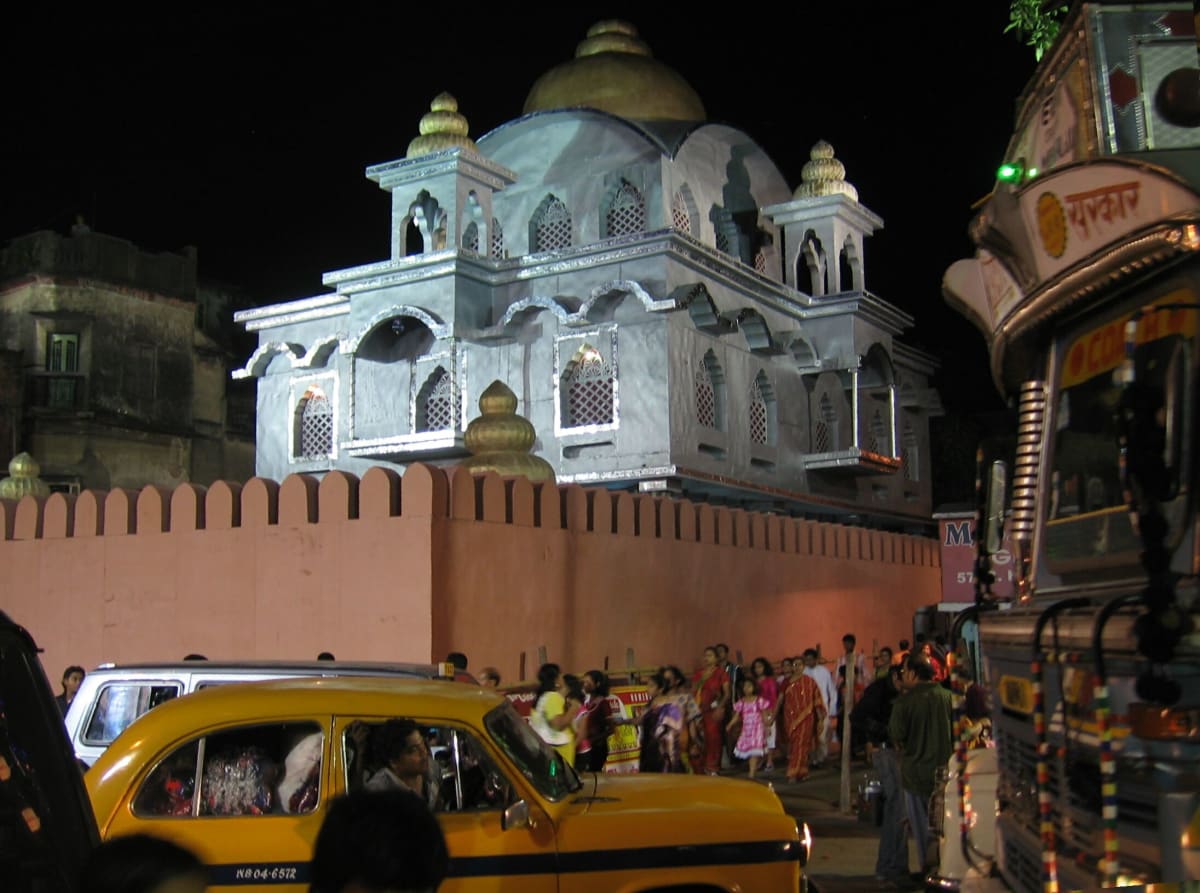
On the night of 18 October 2023, thousands of devotees gathered at the Chorbagan Durga Puja pandal in Kolkata to witness the traditional Rash performance. Around 9:30 pm, sudden downpour triggered panic as people rushed for shelter and exit routes. Within minutes, a bottleneck formed near the main gate, and the crush escalated, leading to the fatal stampede.
"It felt like a wave of bodies moving in one direction; I could barely breathe," recalled a survivor, speaking to The Hindu.
Emergency services arrived promptly, but the sheer density of the crowd hampered rescue operations. Initial reports cited 18 deaths, later revised to 19, with 25 injuries ranging from minor cuts to severe fractures.
What Sparked the Panic?
1. Overcrowding Beyond Capacity
The pandal’s official capacity was approximately 5,000. However, on that night, estimates suggest over 8,000 people were inside, far exceeding safe limits. Organisers failed to enforce entry controls, and ticket‑less entry was permitted in several sections.
2. Sudden Weather Shift
Kolkata’s monsoon season is notorious for abrupt showers. The unexpected rain driven by a low‑pressure system created slippery surfaces and reduced visibility, prompting attendees to scramble for cover.
3. Miscommunication on Exit Timings
Several eyewitnesses reported hearing an announcement that the event would close early due to weather, but the message was unclear. The lack of a coordinated evacuation plan amplified confusion.
Role of Crowd Management & Weather
The incident underscores two perennial challenges for large‑scale religious gatherings in India:
- Inadequate Policing: While West Bengal Police deployed personnel, their placement was concentrated at entry points, leaving interior corridors understaffed. The absence of trained crowd‑control units meant no rapid response to sudden surges.
- Lack of Real‑Time Monitoring: Modern events leverage CCTV analytics and drone surveillance to gauge crowd density. The Chorbagan pandal relied on manual headcounts, which proved insufficient.
Government Response & Ex Gratia
Chief Minister Mamata Banerjee visited the site within hours, expressing grief and ordering an immediate Magisterial Inquiry. The administration announced a ₹25 lakh ex‑gratia for each deceased victim’s family and ₹5 lakh for the injured, a move aimed at immediate relief.
Simultaneously, the State Disaster Management Authority (SDMA) was tasked with drafting mandatory safety guidelines for all Durga Puja pandals, covering:
- Maximum occupancy limits based on structural design.
- Mandatory presence of first‑aid stations and fire‑fighting equipment.
- Real‑time crowd monitoring using AI‑enabled cameras.
 Kolkata police crowd control rain
Public Reaction & Media Coverage
The tragedy ignited a social media storm, with hashtags like #KolkataStampede and #DurgaPujaSafety trending on Twitter and Instagram. Prominent journalists from The Times of India, Al Jazeera, and The New Indian Express highlighted systemic lapses in event management across India.
Civil society groups, including Save the Children India and The Centre for Public Policy Research (CPPR), called for:
- Independent safety audits for all major festivals.
- Legally binding penalties for organizers who violate crowd‑control norms.
- Public awareness campaigns on emergency exits and first‑aid.
Lessons Learned
- Data‑Driven Crowd Management: Deploy AI‑enabled video analytics to monitor live density and trigger alerts before a crush occurs.
- Clear Communication Protocols: Use PA systems with multilingual announcements and pre‑planned evacuation routes.
- Weather Contingency Plans: Integrate real‑time weather forecasting with event scheduling; have covered shelters ready for sudden rain.
- Regulatory Oversight: Strengthen the role of the Ministry of Home Affairs in granting permits, ensuring compliance with National Building Code standards.
Editorial Analysis & Future Outlook
The Kolkata pandal stampede is a stark reminder that cultural exuberance must be balanced with safety science. While Durga Puja is a centuries‑old tradition, its modern scale—often attracting hundreds of thousands across the city—necessitates a paradigm shift in how organizers, authorities, and citizens interact.
In the short term, the Magisterial Inquiry will likely pinpoint specific lapses—such as the absence of a crowd‑flow diagram and inadequate rain‑water drainage—leading to punitive actions against the pandal committee. However, the real test lies in institutionalizing reforms.
If the West Bengal government successfully implements AI‑driven monitoring and enforces strict occupancy caps, Kolkata could set a national benchmark for safe festival management. Conversely, a repeat of such incidents would erode public trust, potentially curbing attendance at future cultural events, which would have economic repercussions for local artisans and vendors.
Ultimately, the tragedy could catalyze a nation‑wide dialogue on crowd safety, prompting the central government to draft a Uniform Festival Safety Act. Such legislation would harmonize standards across states, ensuring that the vibrancy of India’s festivals is preserved without compromising human life.
The path forward demands collaboration—between technologists, policymakers, and community leaders—to transform grief into a safer, more resilient celebration of heritage.
Original Reporting & Source: The Hindu

Discussion (0)
Sign in to join the discussion.
No comments yet. Be the first to start the conversation!