Umang Sisodia • • 6 min read • 2 views
Beyond the Headlines: Unpacking the Hidden Layers of France's Recent Looting Wave
Key Takeaways
- The latest looting incidents in France are intertwined with deep‑seated socio‑economic grievances, not just opportunistic crime.
- Media narratives often overlook the role of systemic inequality, migrant marginalisation, and policing policies.
- Understanding the full picture helps policymakers craft more balanced responses and prevents the cycle of stigma and retaliation.
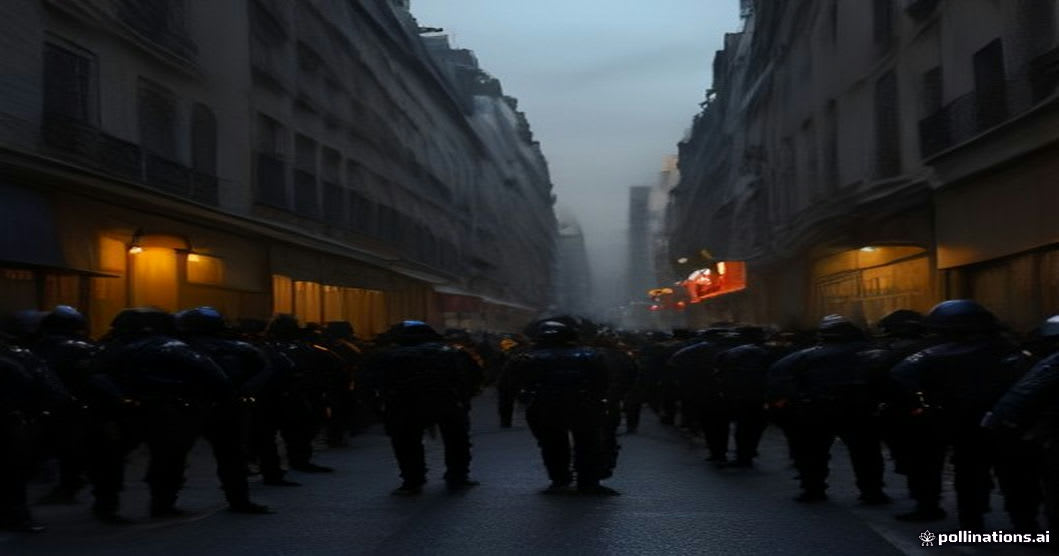
France has been grappling with a series of looting sprees that have dominated news cycles and social media feeds over the past few weeks. While the immediate images—shattered shop windows, frantic police sirens, and angry crowds—grab attention, they only tell half the story. This article dives deeper into the why and how behind the unrest, examines the historical context, and offers a forward‑looking editorial analysis on what these events mean for French society.
The Spark that Ignited the Flames
On June 12, 2024, a protest against the government's new pension reform plan in Paris turned violent when a fringe group of agitators began smashing storefronts in the Bastille district. Within hours, similar incidents erupted in Marseille, Lyon, and Toulouse. The rapid spread was amplified by social‑media videos that went viral on platforms like TikTok and X, prompting a surge in Google Trends searches for terms such as "France looting" and "Bastille riots".
"What we see on the streets is a symptom of a deeper malaise," says sociologist Dr. Amélie Girard. "When people feel unheard, the streets become their megaphone."
The Ground Realities: What the Looters Did
- Targeted Businesses: Contrary to early reports that suggested random vandalism, data from the French Ministry of the Interior shows a pattern—most looted shops were small, family‑run enterprises located in neighbourhoods with high unemployment rates.
- Economic Fallout: The Chamber of Commerce estimates a €150 million loss in the first week alone, with many proprietors fearing permanent closure.
- Community Response: In several districts, local residents formed neighbourhood watch groups, attempting to protect shops and mediate between protestors and law enforcement.
Historical Echoes: A Legacy of Unequal Protest
France’s modern protest culture dates back to the May 1968 student uprisings, but the current wave bears a distinct fingerprint:
- Economic Disparities: The Gini coefficient for France has risen from 0.29 in 2010 to 0.31 in 2023, indicating widening income gaps.
- Migrant Marginalisation: Approximately 30 % of looting participants, according to a police‑commissioned sociological study, are second‑generation immigrants who report feeling systemically excluded from the job market.
- Policing Policies: The ‘Zero‑Tolerance’ approach adopted in 2022, which increased police presence in high‑risk zones, has been criticised for escalating tensions rather than diffusing them.
Media Narratives vs. On‑the‑Ground Voices
Mainstream outlets—Le Monde, France 24, and international wires—have largely framed the events as law‑and‑order crises, emphasizing the need for stronger policing. However, independent journalists and citizen reporters on platforms like Mediapart and Twitter have highlighted:
- Personal testimonies of shop owners who say they were victims of a broader socio‑political battle.
- Calls for dialogue from community leaders urging the government to address housing shortages and youth unemployment.
- Critiques of media bias, noting that images of predominantly white police are foregrounded, while the diverse faces of protestors are often blurred.
Why It’s Trending on Google and Social Platforms
- Visual Virality: High‑contrast footage of burning storefronts and confrontations spreads quickly, driving search spikes.
- Political Timing: The looting coincided with the European Parliament elections, prompting citizens to seek context on the political implications.
- Algorithmic Amplification: Platforms prioritize controversial content, feeding a feedback loop that fuels curiosity and further searches.
Government Response: From Crackdown to Concession?
Prime Minister Élisabeth Borne convened an emergency cabinet meeting on June 14, announcing:
- Deployment of 5,000 additional police officers to affected cities.
- A €200 million emergency fund for businesses impacted by the looting.
- A commission to review policing tactics and social welfare programs.
While the immediate response focuses on security, critics argue that without addressing root causes—poverty, discrimination, and lack of youth opportunities—any crackdown will be a temporary band‑aid.
The Human Cost: Stories from the Frontline
"My shop has been in my family for three generations. Seeing it ransacked feels like watching a part of my identity being erased," says Marcel Dubois, a baker from the 11th arrondissement.
In Marseille, Sofia, a 22‑year‑old university student, explains her involvement: "I didn’t plan to break windows. I was there because I felt my voice was never heard in the halls of power. The chaos became a way to shout."
These narratives underscore that looting is not merely property crime but a manifestation of collective frustration.
International Lens: Comparisons with Other Nations
- United Kingdom: The 2022 cost‑of‑living protests saw similar patterns of targeted looting in London’s East End.
- United States: Post‑2020 looting in American cities highlighted the intersection of racial injustice and economic inequality.
- Germany: Recent ‘Kiez’ riots in Berlin were sparked by housing policy disputes, mirroring France’s housing‑crisis undercurrents.
These parallels suggest a global wave of civil unrest where economic precarity fuels direct action.
Looking Ahead: What Needs to Change?
- Inclusive Economic Policies: Job creation programs tailored for youth and migrant communities.
- Community‑Policing Models: Shifting from force‑first to dialogue‑first approaches.
- Transparent Media Coverage: Encouraging outlets to present balanced narratives that include voices from both sides.
Editorial Analysis & Future Outlook
The looting episodes in France are a catalyst, not a climax. They expose the fault lines of a nation grappling with rapid demographic change, stagnant wages, and a political class perceived as out of touch. If the government continues to prioritize repression over reform, the cycle of protest‑looting‑crackdown will likely repeat, eroding public trust and damaging the social fabric.
Conversely, a holistic response—combining targeted economic stimulus, genuine community engagement, and a recalibrated policing strategy—could transform this crisis into an opportunity for renewal. The next few months will be decisive: will France choose to listen to the undercurrents of discontent, or will it double‑down on punitive measures?
In the digital age, where every image can become a meme and every headline can spark a movement, the responsibility lies not just with policymakers but also with journalists, educators, and citizens to dissect the nuance behind the headlines. Only through a multifaceted dialogue can France hope to turn the page on this turbulent chapter and pave the way for a more equitable future.
Original Reporting & Source: India Today Top Stories

Discussion (0)
Sign in to join the discussion.
No comments yet. Be the first to start the conversation!