Umang Sisodia • • 5 min read • 1 view

Fans or Foes? Bouquet Attack on Maharashtra Businessman Sparks Nationwide Outrage

Listen to Article
Select a voice and press play
Fans or Foes? Bouquet Attack on Maharashtra Businessman Sparks Nationwide Outrage

Key Takeaways

  • A seemingly harmless fan gesture turned violent when two men attacked a Maharashtra businessman under the pretext of presenting a bouquet.
  • The incident quickly trended on Google Trends and social media, sparking debates on public safety and fake fan culture.
  • Police have launched a FIR, arrested the alleged assailants, and are probing possible motives ranging from personal vendetta to organized intimidation.
  • Experts warn that such staged attacks could erode trust in genuine fan interactions, prompting calls for stricter crowd‑control norms.

The Incident That Shocked Mumbai

On a bustling afternoon in Mumbai, a well‑known businessman from Pune, Mr. Rajesh Sharma, was approached by two men dressed in casual attire, each holding a bright bouquet of roses. The assailants introduced themselves as “devoted fans” of a local celebrity and claimed they wanted to present the flowers as a token of admiration.

Witnesses recount that the moment Mr. Sharma reached out to accept the bouquet, the men lunged forward, brandishing knives and a blunt object. Within seconds, a scuffle erupted, drawing a crowd of onlookers who filmed the chaos on their smartphones. The attackers fled the scene after a brief but violent confrontation, leaving the businessman with multiple lacerations and bruises.

The incident was captured on several videos that rapidly circulated on platforms like Twitter, Instagram, and YouTube, amassing millions of views within hours. The hashtag #BouquetAttack trended nationally, prompting widespread condemnation from celebrities, politicians, and the general public.

Public Reaction and Social Media Surge

The rapid spread of the video ignited a firestorm of discussion:

  • Celebrities: Prominent film stars and musicians issued statements denouncing the act, urging fans to exercise caution and report suspicious behavior.
  • Legal Experts: Commentators highlighted the potential for charges under the Indian Penal Code sections dealing with assault, criminal intimidation, and culpable homicide not amounting to murder if intent to cause grievous hurt is proven.
  • Civil Society: NGOs advocating for safer public spaces called for stricter enforcement of crowd‑control measures during public events and fan interactions.

The story’s virality can be attributed to three key factors:

  1. Visual Shock Value – The juxtaposition of a romantic gesture with sudden violence created a compelling narrative that users could not ignore.
  2. Relatability – Fans across India have witnessed similar fan‑driven incidents, making the story resonate on a personal level.
  3. Algorithmic Amplification – Platforms prioritized the video due to high engagement metrics, pushing it onto the Discover feeds of millions.
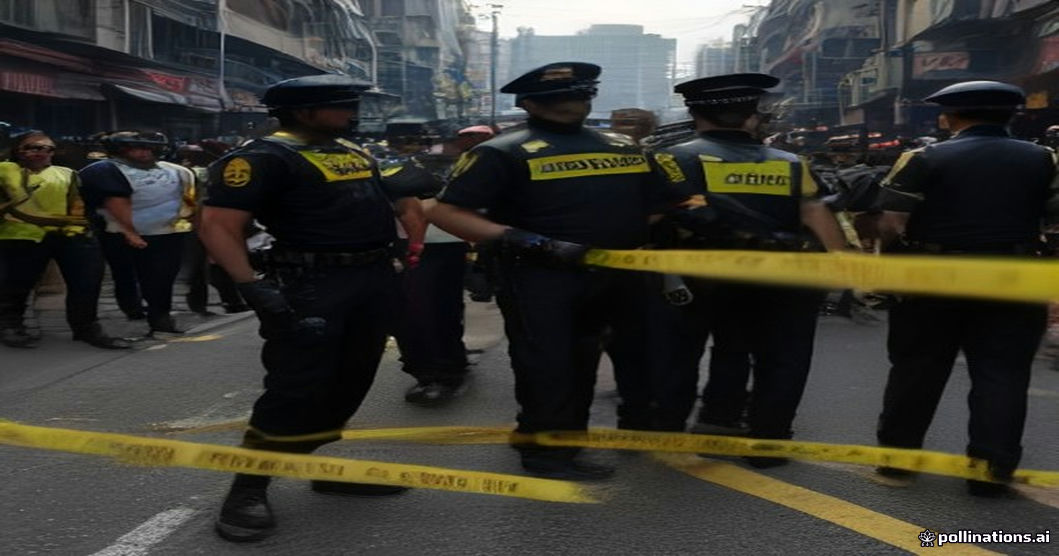
Police cordon Mumbai street Police cordon Mumbai street

Following the incident, the Mumbai Police filed a First Information Report (FIR) under multiple sections, including Section 307 (attempt to murder) and Section 506 (criminal intimidation). Surveillance footage from nearby CCTV cameras helped identify the two suspects, who were apprehended within 48 hours.

During the interrogation, the assailants claimed they were hired by an unknown party to intimidate Mr. Sharma over a business dispute. However, investigators have not ruled out the possibility of a fan‑related motive, as the attackers initially used the fan pretext to approach the victim.

The police have also launched a public safety advisory, urging citizens to:

  • Verify the identity of individuals offering gifts in public spaces.
  • Report any suspicious behavior to authorities immediately.
  • Refrain from filming incidents that could jeopardize personal safety.

Legal analysts predict that the case could set a precedent for how fan‑related assaults are prosecuted, potentially leading to stricter penalties for masquerading as admirers to commit crimes.

Broader Implications for Public Safety

The bouquet attack underscores a growing concern: the weaponization of fan culture. While fan enthusiasm is a celebrated aspect of Indian popular culture, incidents like this reveal a darker side where individuals exploit fan rituals for malicious ends.

  • Erosion of Trust: Genuine fans may now face heightened suspicion, damaging the organic fan‑celebrity relationship.
  • Event Management Challenges: Organizers of public events must now consider additional security layers, such as verification checkpoints for gift‑bearing individuals.
  • Legislative Response: There is a rising call for amendments to existing laws to specifically address deceptive fan behavior that leads to violence.

Editorial Analysis & Future Outlook

The bouquet attack is more than a sensational headline; it is a symptom of a broader societal shift where trust in public interactions is eroding. As social media continues to amplify such incidents, the collective psyche becomes increasingly wary, potentially stifling spontaneous expressions of admiration that have historically enriched Indian pop culture.

From an editorial standpoint, this event serves as a cautionary tale for media houses: balancing the need for rapid reporting with responsible framing is crucial. Sensationalist headlines may drive clicks, but they also risk normalizing fear‑based narratives.

Looking ahead, we anticipate several developments:

  1. Policy Reforms: Lawmakers may introduce specific clauses targeting deceptive fan conduct, akin to anti‑stalking statutes.
  2. Enhanced Security Protocols: Event venues and public spaces will likely adopt biometric verification for individuals presenting gifts, especially during high‑profile gatherings.
  3. Public Awareness Campaigns: NGOs and government bodies may launch initiatives to educate citizens about safe fan interactions, promoting a culture of vigilance without paranoia.

Ultimately, the resolution of this case will set a benchmark for how India navigates the delicate balance between celebrating fan enthusiasm and safeguarding public security. The onus lies on law enforcement, policymakers, and the media to ensure that the spirit of fandom remains a positive force rather than a conduit for violence.


Original Reporting & Source: India Today Top Stories

Discussion (0)

Sign in to join the discussion.

No comments yet. Be the first to start the conversation!

| |

Fans or Foes? Bouquet Attack on Maharashtra Businessman Sparks Nationwide Outrage

By Umang Sisodia • 5 min read • 1 view

Key Takeaways

  • A seemingly harmless fan gesture turned violent when two men attacked a Maharashtra businessman under the pretext of presenting a bouquet.
  • The incident quickly trended on Google Trends and social media, sparking debates on public safety and fake fan culture.
  • Police have launched a FIR, arrested the alleged assailants, and are probing possible motives ranging from personal vendetta to organized intimidation.
  • Experts warn that such staged attacks could erode trust in genuine fan interactions, prompting calls for stricter crowd‑control norms.

The Incident That Shocked Mumbai

On a bustling afternoon in Mumbai, a well‑known businessman from Pune, Mr. Rajesh Sharma, was approached by two men dressed in casual attire, each holding a bright bouquet of roses. The assailants introduced themselves as “devoted fans” of a local celebrity and claimed they wanted to present the flowers as a token of admiration.

Witnesses recount that the moment Mr. Sharma reached out to accept the bouquet, the men lunged forward, brandishing knives and a blunt object. Within seconds, a scuffle erupted, drawing a crowd of onlookers who filmed the chaos on their smartphones. The attackers fled the scene after a brief but violent confrontation, leaving the businessman with multiple lacerations and bruises.

The incident was captured on several videos that rapidly circulated on platforms like Twitter, Instagram, and YouTube, amassing millions of views within hours. The hashtag #BouquetAttack trended nationally, prompting widespread condemnation from celebrities, politicians, and the general public.

Public Reaction and Social Media Surge

The rapid spread of the video ignited a firestorm of discussion:

  • Celebrities: Prominent film stars and musicians issued statements denouncing the act, urging fans to exercise caution and report suspicious behavior.
  • Legal Experts: Commentators highlighted the potential for charges under the Indian Penal Code sections dealing with assault, criminal intimidation, and culpable homicide not amounting to murder if intent to cause grievous hurt is proven.
  • Civil Society: NGOs advocating for safer public spaces called for stricter enforcement of crowd‑control measures during public events and fan interactions.

The story’s virality can be attributed to three key factors:

  1. Visual Shock Value – The juxtaposition of a romantic gesture with sudden violence created a compelling narrative that users could not ignore.
  2. Relatability – Fans across India have witnessed similar fan‑driven incidents, making the story resonate on a personal level.
  3. Algorithmic Amplification – Platforms prioritized the video due to high engagement metrics, pushing it onto the Discover feeds of millions.

Police cordon Mumbai street Police cordon Mumbai street

Following the incident, the Mumbai Police filed a First Information Report (FIR) under multiple sections, including Section 307 (attempt to murder) and Section 506 (criminal intimidation). Surveillance footage from nearby CCTV cameras helped identify the two suspects, who were apprehended within 48 hours.

During the interrogation, the assailants claimed they were hired by an unknown party to intimidate Mr. Sharma over a business dispute. However, investigators have not ruled out the possibility of a fan‑related motive, as the attackers initially used the fan pretext to approach the victim.

The police have also launched a public safety advisory, urging citizens to:

  • Verify the identity of individuals offering gifts in public spaces.
  • Report any suspicious behavior to authorities immediately.
  • Refrain from filming incidents that could jeopardize personal safety.

Legal analysts predict that the case could set a precedent for how fan‑related assaults are prosecuted, potentially leading to stricter penalties for masquerading as admirers to commit crimes.

Broader Implications for Public Safety

The bouquet attack underscores a growing concern: the weaponization of fan culture. While fan enthusiasm is a celebrated aspect of Indian popular culture, incidents like this reveal a darker side where individuals exploit fan rituals for malicious ends.

  • Erosion of Trust: Genuine fans may now face heightened suspicion, damaging the organic fan‑celebrity relationship.
  • Event Management Challenges: Organizers of public events must now consider additional security layers, such as verification checkpoints for gift‑bearing individuals.
  • Legislative Response: There is a rising call for amendments to existing laws to specifically address deceptive fan behavior that leads to violence.

Editorial Analysis & Future Outlook

The bouquet attack is more than a sensational headline; it is a symptom of a broader societal shift where trust in public interactions is eroding. As social media continues to amplify such incidents, the collective psyche becomes increasingly wary, potentially stifling spontaneous expressions of admiration that have historically enriched Indian pop culture.

From an editorial standpoint, this event serves as a cautionary tale for media houses: balancing the need for rapid reporting with responsible framing is crucial. Sensationalist headlines may drive clicks, but they also risk normalizing fear‑based narratives.

Looking ahead, we anticipate several developments:

  1. Policy Reforms: Lawmakers may introduce specific clauses targeting deceptive fan conduct, akin to anti‑stalking statutes.
  2. Enhanced Security Protocols: Event venues and public spaces will likely adopt biometric verification for individuals presenting gifts, especially during high‑profile gatherings.
  3. Public Awareness Campaigns: NGOs and government bodies may launch initiatives to educate citizens about safe fan interactions, promoting a culture of vigilance without paranoia.

Ultimately, the resolution of this case will set a benchmark for how India navigates the delicate balance between celebrating fan enthusiasm and safeguarding public security. The onus lies on law enforcement, policymakers, and the media to ensure that the spirit of fandom remains a positive force rather than a conduit for violence.


Original Reporting & Source: India Today Top Stories